 listicle
End-to-End Project Coordination for Site Prep
Table of Contents
- What End-to-End Project Coordination Includes in Site Preparation
- Civil Contractors in Chesterfield: How Local Expertise Protects Your Project
- Construction Site Preparation Checklist: From Planning to Handoff
- Underground Utility Installation Timeline: Coordination and Safety
- Why Single-Team Accountability Reduces Risk and Cost Overruns
- Permits, Compliance, and Municipal Requirements Handled Internally
- Conclusion
- Frequently Asked Questions
Last Updated: September 18, 2026
What End-to-End Project Coordination Includes in Site Preparation
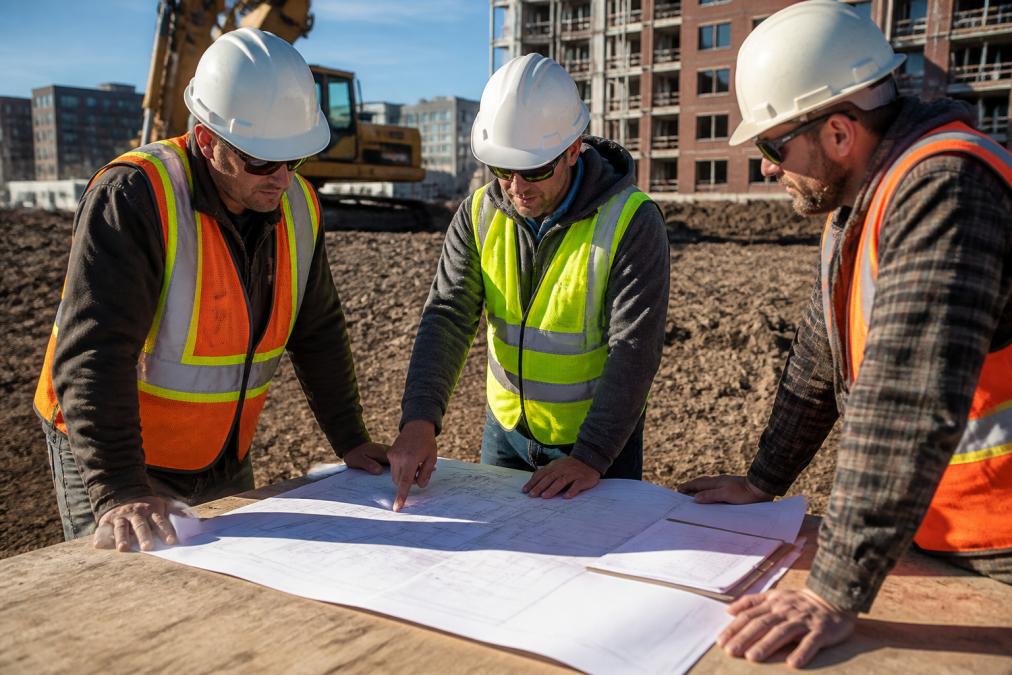
End-to-end project coordination is the practice of managing every phase of a construction project from initial planning through final handoff, ensuring all trades, permits, timelines, and safety protocols work in sync. For site preparation specifically, this means one accountable team oversees excavation, utility installation, grading, drainage, and compliance, eliminating the chaos of juggling multiple contractors and conflicting schedules.
Hiring separate excavation crews, utility contractors, and concrete specialists creates coordination gaps: crews wait idle, unmarked utilities are hit, permits delay, and budget overruns cascade through unaligned teams.
End-to-end project coordination prevents this by assigning a single point of accountability to manage site assessment, grading and drainage design, permitting, utility coordination, and inspections. When issues arise, one team solves them rather than multiple contractors pointing fingers.
For property owners in the Metro Detroit area, local soil conditions, seasonal weather, and municipal code requirements demand regional expertise. Delpres Services brings 20+ years coordinating complex site work across residential, commercial, industrial, and municipal projects, ensuring every element connects properly and protecting your investment.
Civil Contractors in Chesterfield: How Local Expertise Protects Your Project
Hiring a civil contractor familiar with local conditions is insurance against costly mistakes. Chesterfield has specific soil composition, frost depths, storm water regulations, and utility coordination challenges that out-of-region contractors often underestimate.
A contractor experienced in Chesterfield understands local water authority requirements, knows utility locations, anticipates permit requirements, and understands how seasonal conditions affect drainage design.
Unfamiliar contractors may oversize storm systems, schedule work during unstable freeze-thaw cycles, or miss municipal requirements that delay inspections by weeks.
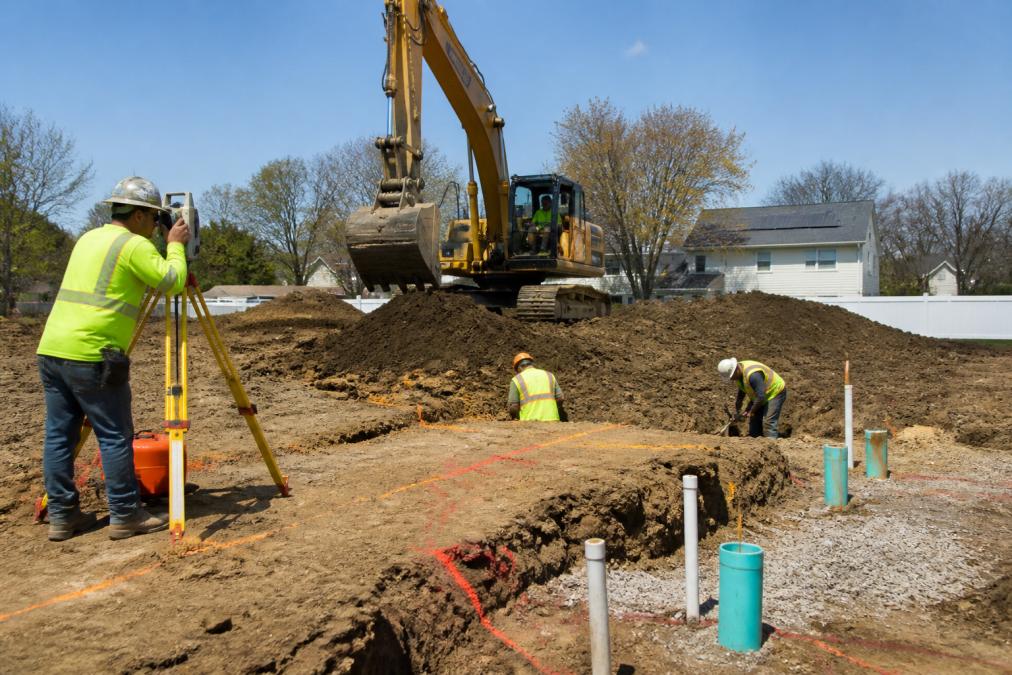
Delpres Services operates throughout Metro Detroit with deep roots in Chesterfield, having coordinated hundreds of projects and built relationships with municipal inspectors, utility companies, and suppliers. That local network accelerates permitting, reduces scheduling conflicts, and solves problems faster when unexpected conditions arise.
Construction Site Preparation Checklist: From Planning to Handoff
A comprehensive site preparation checklist ensures nothing falls through the cracks. Use this framework to track each phase and verify your contractor is managing the full scope:
| Phase | Key Tasks | Responsibility | Timeline |
|---|---|---|---|
| Pre-Construction Planning | Site survey, soil testing, utility mapping, drainage design | Contractor + engineer | Weeks 1-3 |
| Permitting & Compliance | Submit plans, obtain municipal permits, coordinate inspections | Contractor | Weeks 2-6 |
| Utility Coordination | Request locates, mark underground utilities, coordinate with providers | Contractor | Week 2 and ongoing |
| Site Mobilization | Clear vegetation, establish access roads, set up equipment staging | Contractor crew | Week 3-4 |
| Excavation & Grading | Remove topsoil, excavate to design grades, compact subgrade | Contractor crew | Weeks 4-8 |
| Drainage Installation | Install storm/sanitary systems, French drains, catch basins | Contractor crew | Weeks 6-9 |
| Foundation & Utility Work | Underground utility installation, footings, backfill | Contractor crew | Weeks 8-12 |
| Final Grading & Restoration | Final grade verification, topsoil replacement, site cleanup | Contractor crew | Weeks 12-13 |
| Inspections & Sign-Off | Municipal final inspections, documentation, project closure | Contractor + municipality | Week 13-14 |
Every item on this checklist represents a decision point and potential source of delay if no single team owns it.
A contractor practicing end-to-end project coordination manages the entire checklist as one cohesive workflow, seeing the project through and adjusting schedules as conditions change.
Underground Utility Installation Timeline: Coordination and Safety
Underground utility installation is time-sensitive and coordination-heavy. A single missed step, an uncalled locate, disrespected mark, or unscheduled inspection, can delay the project by weeks and create safety hazards.
The typical timeline for underground utility work in Chesterfield and the surrounding region follows this sequence:
Week 1-2: Utility Locates and Marking. Request locates from all utility providers by calling 811 (Dig Safe) at least two business days before excavation. Representatives mark lines with paint or flags. Proper locating takes 3-5 business days; rushing this step risks hitting utilities.
Week 2-3: Design Verification. The design engineer verifies that planned work avoids all marked lines. If conflicts exist, the design must be revised before excavation. Local experience prevents redesigns by anticipating typical utility locations.
Week 3-4: Excavation and Trenching. The contractor carefully excavates trenches for utilities, using hand digging near marked lines. This phase is deliberate; rushing risks hitting utilities.
Week 4-5: Utility Installation. Once trenches are prepared and inspected, utility lines are laid, tested, and backfilled. Storm and sanitary sewer lines must be graded to proper slope. Water mains must be pressure tested. All connections must be verified before backfill.
Week 5-6: Municipal Inspections. Before the trench is backfilled, the building department or water authority inspects the installed utilities. If the inspection fails, the trench remains open until corrections are made. This is why coordination with the inspector schedule is critical. A contractor who knows the local inspector's availability can schedule the inspection promptly. A contractor unfamiliar with the municipality might miss the inspection window and add weeks to the project.
The total timeline for underground utility installation on a typical residential or small commercial project runs 4-6 weeks. On larger projects with multiple utility systems or complex municipal requirements, it can stretch to 8-12 weeks. The key variable is coordination. A contractor managing all phases internally can compress the timeline by eliminating handoffs and scheduling conflicts. A contractor juggling multiple subcontractors often watches the timeline stretch.
Why Single-Team Accountability Reduces Risk and Cost Overruns
Construction projects fail in predictable ways, and most failures trace back to the same root cause: unclear accountability. When the excavation contractor, the utility contractor, and the concrete contractor are three separate entities with three separate schedules and three separate profit margins, the project becomes a game of finger-pointing.
Excavation crew digs too deep and hits a utility. Who pays to repair it? The excavation contractor says the utility locate was wrong. The utility company says the contractor didn't mark the line clearly. The property owner is caught in the middle.
The concrete contractor shows up to find the site not graded properly. Do they wait? Do they leave and come back? Do they charge a mobilization fee? The grading contractor blames the drainage crew for not finishing the storm system on time. The drainage crew blames the utility contractor for not coordinating the sewer connection. The project timeline slips. Change orders pile up. The budget balloons.
A single accountable team eliminates this problem. One contractor is responsible for the entire site preparation scope. If the excavation crew digs in the wrong spot, they fix it, the cost comes out of their margin, not the property owner's pocket. If the grading doesn't match the drainage design, the same team adjusts it. If a municipal inspection fails, the same team corrects it immediately rather than waiting for a subcontractor to show up.
This accountability structure also reduces risk. A contractor managing the entire project has skin in the game. They're motivated to plan carefully, coordinate tightly, and execute efficiently because delays and mistakes directly affect their profitability. A subcontractor with a fixed-price contract is motivated to finish fast and move to the next job, cutting corners to protect their margin.
Delpres Services operates as a single unified team from planning through handoff. There are no subcontractors to blame, no coordination gaps to exploit, and no hidden cost surprises. The team owns every phase of the work. That accountability structure is what separates a project that runs on schedule and budget from one that spirals into chaos.
Permits, Compliance, and Municipal Requirements Handled Internally
Permit delays are one of the most common reasons site preparation projects miss their timeline.
Initial Submission. The contractor submits site plans, grading plans, drainage calculations, and utility coordination documents to the local building department. The submission must include proof of utility locates and any required engineering certifications. Missing documents trigger a request for resubmission, delaying the process by 1-2 weeks.
Conclusion
End-to-end project coordination for site preparation is not a luxury add-on, it's the foundation of a project that stays on schedule and within budget. When a single accountable team manages excavation, utilities, grading, drainage, and compliance, coordination gaps disappear. The project moves faster. Costs remain predictable. Risk is managed by someone with skin in the game.
Frequently Asked Questions
What does end-to-end project coordination include in site preparation?
End-to-end project coordination covers planning, permitting, utility locates, excavation, grading, drainage installation, safety compliance, and final inspections. A single team manages scheduling, document control, field communication, budget tracking, and client updates from start to finish. This eliminates gaps between separate contractors and ensures accountability at every phase.
How long does underground utility installation typically take during site preparation?
Underground utility installation timelines vary by scope and complexity. Storm and sanitary sewer lines, water mains, and electrical conduits require utility locates (typically 3-5 business days), then excavation and installation. Simple utility runs may take 1-2 weeks; complex municipal infrastructure can extend 4-8 weeks. Coordination with utility companies and permit inspections add time. Your contractor should provide a detailed timeline during the planning phase.
Why is hiring one contractor for all site preparation work better than managing multiple crews?
A single contractor assumes full responsibility for coordination, sequencing, safety, and budget. Multiple crews create scheduling conflicts, communication delays, and finger-pointing when problems arise. One accountable team ensures utilities are located before excavation, grading is complete before paving, and inspections happen on schedule. This reduces cost overruns, delays, and rework.
What permits and compliance issues do I need to handle for site preparation?
Site preparation typically requires excavation permits, utility location clearances, grading permits, stormwater management approvals, and building permits. Local health departments may require septic or drainage certifications. A full-service contractor manages all applications, coordinate inspections, and ensures compliance with local codes. This eliminates your responsibility and reduces the risk of fines or project delays.