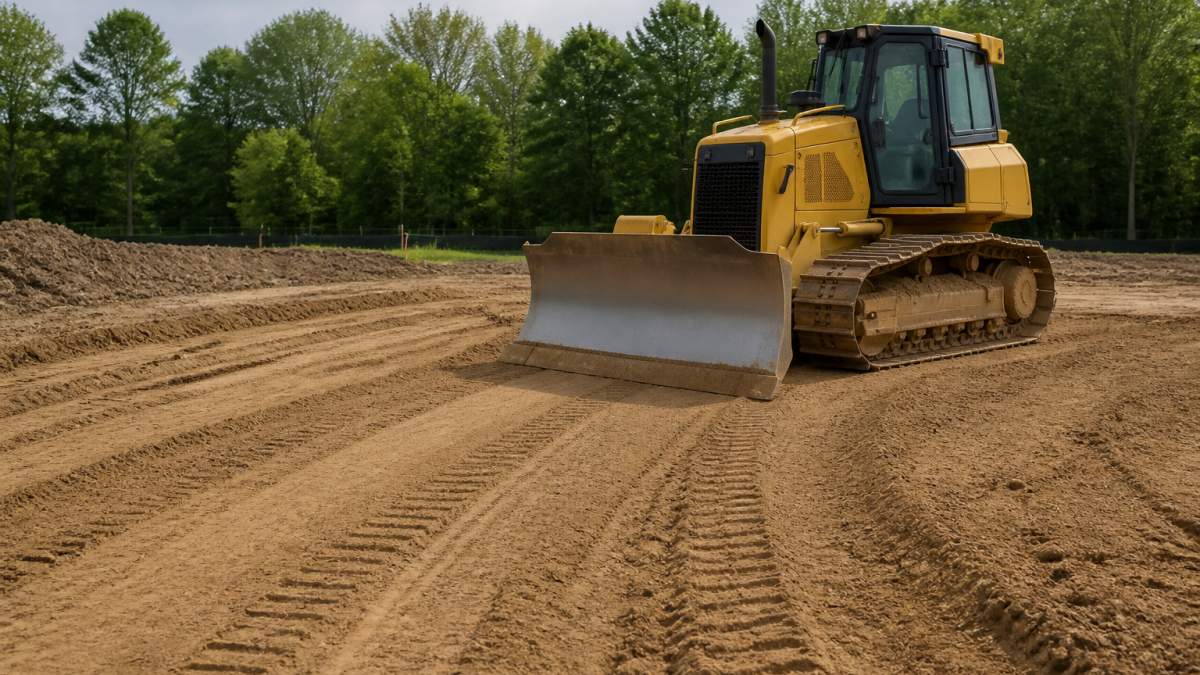
 listicle
5 Benefits of Professional Land Grading
Table of Contents
- Benefit 1: Prevents Water Damage and Foundation Problems
- Benefit 2: Stormwater Management and Grading for Long-Term Protection
- Benefit 3: Improves Property Aesthetics and Usability
- Benefit 4: Reduces Long-Term Maintenance and Repair Costs
- Benefit 5: Ensures Compliance and Structural Integrity
- Cost of Land Grading in Michigan and What to Expect
- Residential Site Preparation Services: Getting Started
- Frequently Asked Questions
Last Updated: September 29, 2026
Professional land grading is one of the most underestimated investments a property owner can make. Done right, it protects your foundation, eliminates standing water, and transforms how your land functions. At Delpres Services LLC, we understand that the difference between amateur work and professional grading is stark.
This guide covers five critical benefits of professional land grading that directly impact your property's longevity, usability, and value. Whether you're protecting an existing home, preparing for new construction, or fixing drainage problems that have plagued you for years, understanding what professional land grading delivers will help you make the right decision.
Benefit 1: Prevents Water Damage and Foundation Problems
Water is your foundation's worst enemy. When grading is poor, water pools against your foundation walls, seeps into basements, and gradually undermines the structural integrity of your entire home. Professional land grading slopes soil away from your foundation at the proper grade, directing water toward drainage systems and away from your structure.
The stakes here are real. Foundation damage isn't a cosmetic issue, it's expensive to repair and can compromise the safety of your home. A foundation repair can easily run into five figures. Professional grading prevents this problem from developing in the first place.
Proper grading means establishing the right slope, typically 5-10% grade away from the foundation for the first 6-10 feet. This sounds simple, but it requires precision equipment, knowledge of your soil type, and an understanding of how water behaves on your specific property. Amateur grading often looks fine initially but fails during heavy rain when water still finds its way toward the foundation.
Benefit 2: Stormwater Management and Grading for Long-Term Protection
Stormwater management through professional land grading goes beyond protecting your foundation. It manages how water moves across your entire property, preventing erosion, protecting neighboring properties, and ensuring your land drains efficiently during heavy rain events.
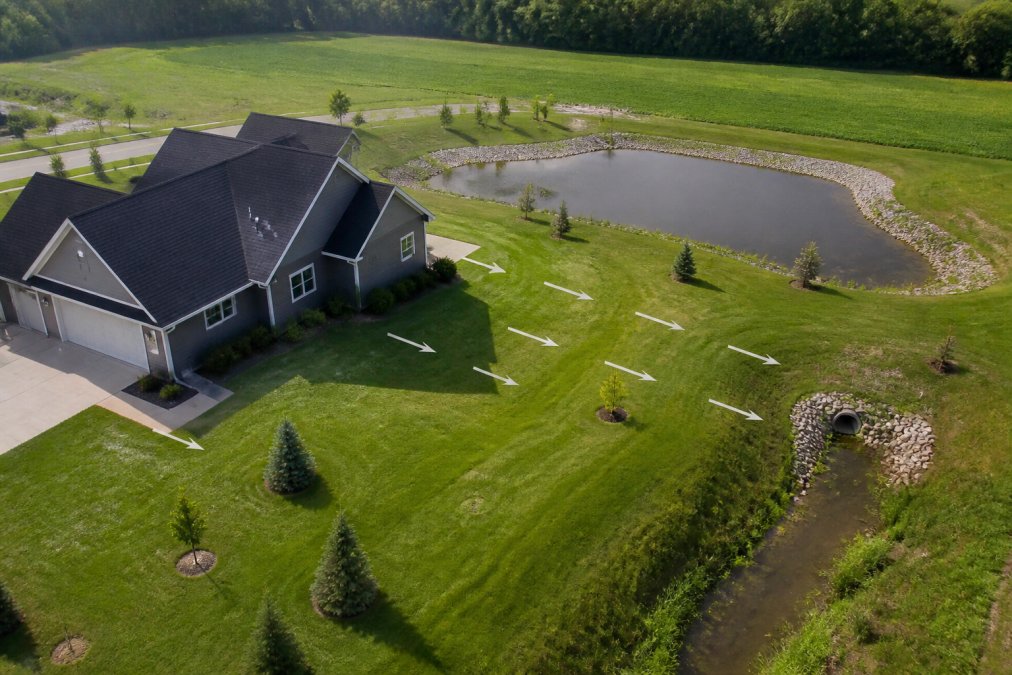
When grading is done properly, stormwater flows in controlled patterns rather than pooling in low spots or running uncontrolled across your yard. This protects your landscaping, prevents soil erosion, and reduces the risk of water damage to any structures or utilities on your property.
Professional grading also considers how stormwater impacts adjacent properties. In many jurisdictions, property owners have legal obligations to manage stormwater responsibly (the EPA). Poor grading that directs water toward a neighbor's property can create liability issues. Professional grading ensures compliance with local drainage standards and prevents disputes.
The cost of stormwater management through proper grading is minimal compared to the cost of erosion repair, foundation damage, or legal liability from water damage to neighboring properties. Professional land grading addresses this systematically rather than leaving it to chance.
Benefit 3: Improves Property Aesthetics and Usability
Beyond function, professional grading transforms how your property looks and feels. Properly graded land creates usable outdoor spaces. Instead of low spots that become mud pits after rain, you have level areas for patios, walkways, and landscaping.
Aesthetic grading also enhances curb appeal. A property with proper slope, clean lines, and well-defined drainage patterns looks intentional and well-maintained. This matters whether you're planning to stay in your home for decades or considering selling in the future.
Professional grading allows you to create the outdoor living spaces you actually want. If you're planning a patio, pool, or landscape improvements, proper grading is the foundation for those projects. It's far easier and more cost-effective to get grading right before you invest in hardscaping or landscaping than to correct it afterward.
Benefit 4: Reduces Long-Term Maintenance and Repair Costs
Professional grading is a front-end investment that saves money for years. Proper drainage means less standing water, which reduces mosquito breeding grounds, prevents lawn damage, and extends the life of your landscaping.
For properties with existing drainage problems, professional grading can eliminate the need for expensive drainage systems, sump pumps, or foundation repairs. A properly graded property requires less maintenance overall. You're not constantly dealing with puddles, erosion, or water intrusion issues.
The maintenance cost difference is significant over a 10-20 year period. A property with poor grading requires ongoing repairs, foundation cracks, landscape replacement, drainage system maintenance. A properly graded property simply works as intended.
Think of professional grading as preventive maintenance for your entire property. The upfront cost is recovered through avoided repairs and reduced long-term maintenance.
Benefit 5: Ensures Compliance and Structural Integrity
Building codes and local regulations govern how properties must be graded. These standards exist for good reasons, they protect public safety, prevent erosion, manage stormwater responsibly, and protect neighboring properties.
Professional grading ensures your property meets these requirements. When you're preparing for construction, selling your property, or making major improvements, compliance with local grading standards is non-negotiable. Professional grading documentation protects you if questions arise later.
Structural integrity depends on proper grading. A foundation sits on soil, and that soil must be properly prepared and maintained. Professional grading ensures the soil under your structure remains stable, properly drained, and able to support the weight of your home.
For commercial properties and new construction, professional grading is essential. Building permits require it, and inspectors will verify that grading meets code. Residential property owners often underestimate the importance of compliance, but it matters for safety, property value, and future resale.
Cost of Land Grading in Michigan and What to Expect
Professional land grading costs vary based on property size, existing conditions, complexity, and the scope of work. For residential properties, grading projects typically range from smaller drainage corrections to full-property regrading.
Several factors affect pricing: the amount of earth that needs to be moved, the complexity of the drainage design, site accessibility, soil conditions, and whether additional work like drainage installation or retaining walls is needed. A small residential property with straightforward grading needs costs significantly less than a large commercial site or a property requiring extensive drainage work.
When you contact a professional grading contractor, expect them to visit your property, assess the existing conditions, and provide a detailed quote based on the specific work required. This assessment is critical, a contractor who quotes over the phone without seeing your property is guessing.
Delpres Services LLC provides comprehensive site assessments for grading projects. We evaluate your property's drainage patterns, soil conditions, and compliance requirements, then provide a clear estimate for the work needed. Our approach ensures you understand exactly what's included and why the work matters for your property. Pricing depends on quantity, dates, and delivery. Book a consultation to discuss current prices or a quote.
Residential Site Preparation Services: Getting Started
If you're planning a major property improvement, a pool, new patio, landscape renovation, or addition, professional site preparation including grading is the essential first step. Proper grading ensures your new project sits on stable, well-drained ground.
The process starts with a site assessment. A professional contractor evaluates your property's existing conditions, identifies drainage issues, and determines what grading work is needed to support your planned improvements. This assessment informs the overall project timeline and budget.
From there, the contractor develops a grading plan that addresses both your immediate project needs and long-term property drainage.
| Project Type | Typical Scope | Timeline | Why Grading Matters |
|---|---|---|---|
| Pool Installation | Site prep, grading, drainage | 1-2 weeks | Proper slope ensures pool sits level and drains correctly |
| Patio or Deck | Foundation prep, grading | 3-5 days | Grading prevents water pooling under hardscape |
| Landscape Renovation | Soil work, drainage, grading | 1 week | Good grading supports healthy plants and prevents erosion |
| Home Addition | Foundation prep, site grading | 1-2 weeks | Grading ensures stable foundation and proper drainage |
| Driveway Replacement | Base prep, grading, drainage | 3-7 days | Grading prevents water damage and extends driveway life |
Frequently Asked Questions
What is the purpose of professional land grading in construction?
Professional land grading shapes your property to manage water flow, prevent pooling, and establish a stable foundation for structures. It directs runoff away from buildings, protects foundations from water infiltration, and creates safe, level surfaces for driveways, patios, and landscaping. Proper grading is essential for both residential and commercial projects to ensure long-term structural integrity and prevent costly water-related damage.
How does professional land grading prevent water damage to homes?
Grading creates slopes that direct water away from your foundation and basement. Without proper grading, water pools near your home, seeping into foundations and causing cracks, mold, and structural failure. Professional grading ensures water flows toward drainage systems or away from structures entirely. This prevents standing water, reduces hydrostatic pressure on foundation walls, and eliminates conditions that attract pests and promote erosion around your property.
Does professional land grading increase property value in Michigan?
Yes. Proper grading improves curb appeal, prevents visible drainage problems, and signals to buyers that the property has been well-maintained. More importantly, it protects the foundation and prevents water damage, which are major concerns for property buyers. A well-graded property with effective drainage systems is more attractive to buyers and appraisers, often resulting in higher property valuations and faster sales.
What is the difference between rough grading and finish grading?
Rough grading is the initial earthwork that shapes the land for construction, moving large volumes of soil and establishing major slopes and drainage patterns. Finish grading refines the surface to final elevations, creating smooth, level areas for landscaping, walkways, and structures. Rough grading handles site preparation and stormwater management; finish grading achieves the polished, functional surface you see and use daily.
Why do I need professional equipment for residential site preparation services?
Professional equipment like bulldozers, graders, and compactors ensures precise elevation control, proper soil compaction, and efficient drainage system installation. Manual grading cannot achieve the accuracy required for proper water management or structural stability. Professional equipment also completes the work faster, reduces soil erosion during the process, and ensures compliance with local building codes and permit requirements.