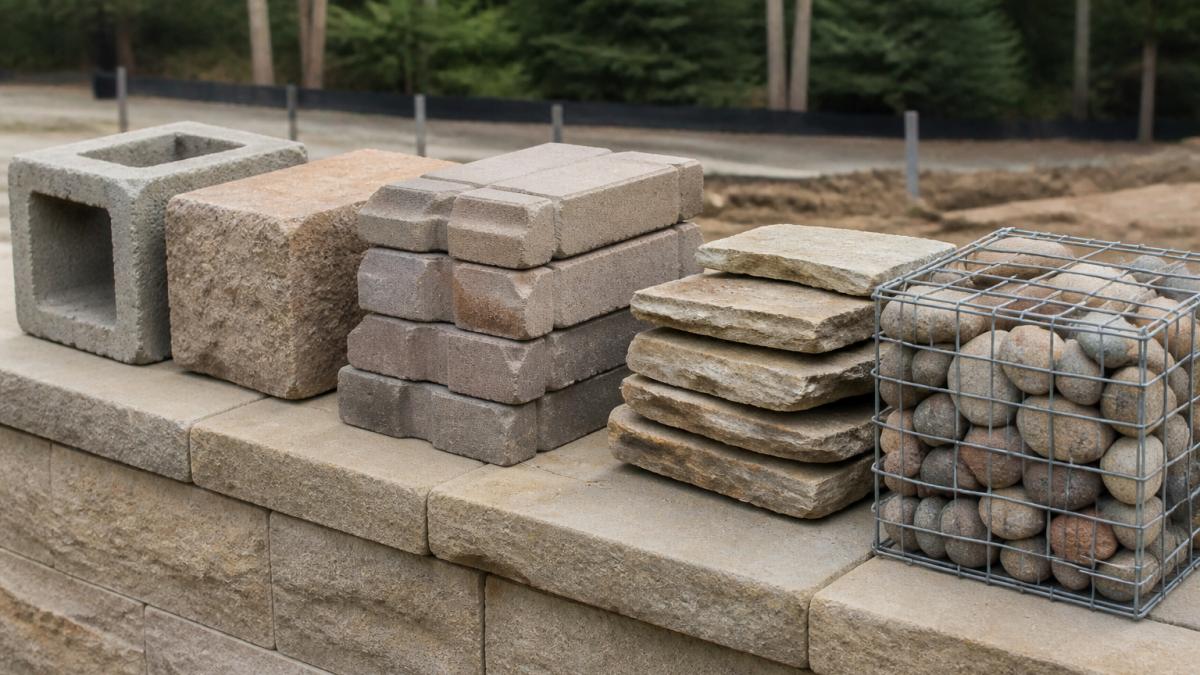
 listicle
5 Best Retaining Wall Materials for Michigan Climates
Table of Contents
- What Makes a Retaining Wall Material Work in Michigan
- 1. Interlocking Concrete Blocks (SRW): The Metro Detroit Workhorse
- 2. Techo-Bloc Mini-Creta Architectural Walls: Premium Look, Cold-Climate Engineering
- 3. Natural Granite or Limestone Blocks: Maximum Lifespan for Demanding Sites
- 4. Gabion Walls: Drainage-First Design for Wet or Shifting Ground
- 5. Pressure-Treated Timber: The Budget Option and Its Limits
- Retaining Wall Drainage Requirements in Michigan
- Frost Line Depth for Retaining Walls in Michigan
- Choosing the Right Material for Your Wall
- Frequently Asked Questions
Last Updated: October 2, 2026
What Makes a Retaining Wall Material Work in Michigan
Michigan's freeze-thaw cycle destroys retaining walls that would last decades in milder states. Water seeps into soil behind a wall, freezes, expands, and pushes with thousands of pounds of pressure. When it thaws, the soil shifts again. Repeat that cycle dozens of times each winter, and weak materials crack, bow, or collapse entirely.
That is why the best retaining wall materials for Michigan climates share three traits: they drain well, they tolerate ground movement, and they resist water absorption. This guide from Delpres Services LLC ranks five materials on exactly those criteria, from engineered concrete blocks to budget timber, so Chesterfield homeowners and Metro Detroit property managers can choose with confidence.
Freeze-Thaw Cycles and Why They Break Walls
Freeze-thaw cycling is the repeated freezing and thawing of water in soil, which expands and contracts the ground around a wall. Each cycle adds pressure. A wall that ignores drainage will fail long before its material wears out.
The fix is rarely the block itself. It is the gravel, fabric, and drainage stone behind it.
How We Ranked These Five Materials
We scored each material on four factors: freeze-thaw durability, drainage behavior, installation requirements, and long-term maintenance. Cost matters, but a cheap wall that heaves after two winters is not cheap.
That logic drives the ranking below.
1. Interlocking Concrete Blocks (SRW): The Metro Detroit Workhorse
Segmental retaining wall blocks, often called SRW units, are the default choice for most residential and commercial walls in Michigan. They interlock without mortar, handle soil pressure well, and individual units can be swapped out if one shifts.
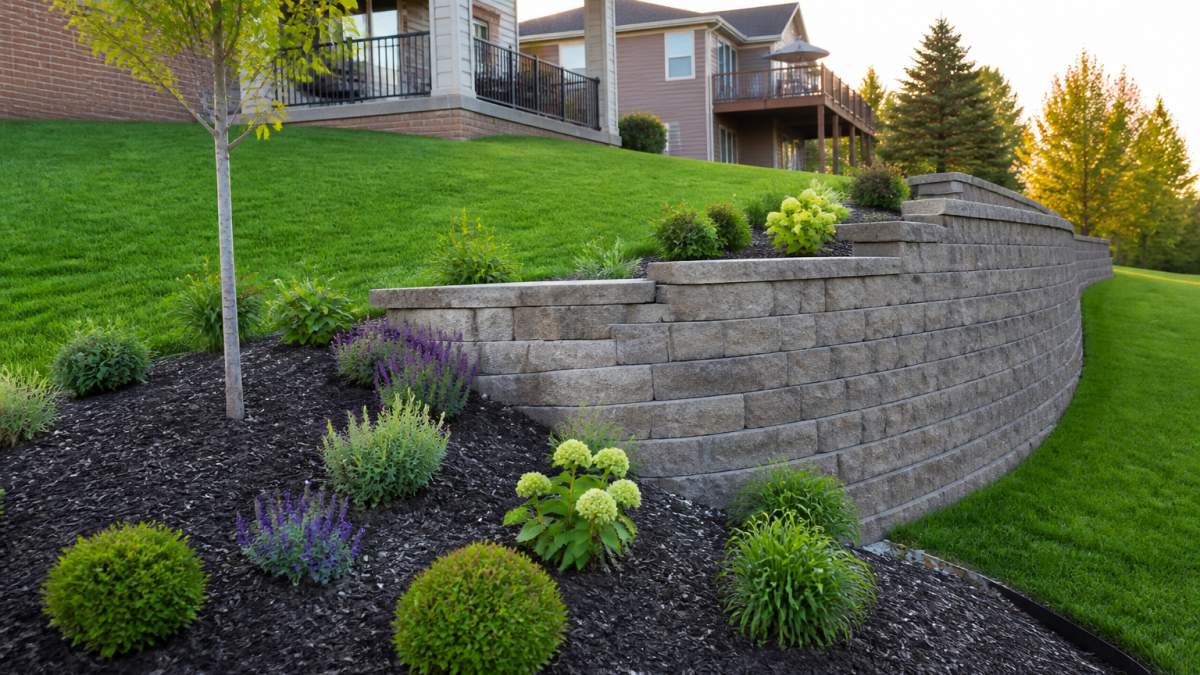
Pros: Strong structural performance, engineered for soil pressure, easier to repair than poured concrete, wide range of textures and colors.
Cons: Budget versions can look industrial, and installation quality decides everything. A poorly compacted base will fail regardless of block quality.
For walls over three feet, most Michigan municipalities require engineered plans and permits.
2. Techo-Bloc Mini-Creta Architectural Walls: Premium Look, Cold-Climate Engineering
Techo-Bloc's Mini-Creta system targets homeowners who want a natural stone look without natural stone's installation headaches. The units are engineered specifically for freeze-thaw resistance, which matters in a state where the ground moves every winter.
Pros: Excellent freeze-thaw durability, interlocking design for stability, architectural finish that mimics cut stone.
Cons: Higher cost than basic concrete blocks, and availability varies by dealer.
This is the pick when curb appeal and durability both matter. For a Chesterfield backyard with a pool or patio, the visual upgrade is worth the premium.
3. Natural Granite or Limestone Blocks: Maximum Lifespan for Demanding Sites
Natural granite and limestone blocks outlast nearly everything else on this list. They are dense, weather-resistant, and need almost no maintenance once set.
Pros: Extremely long lifespan, minimal upkeep, timeless appearance.
Cons: Heavy, expensive, and difficult to install without equipment. Labor costs climb fast.
For municipal work, commercial retaining structures, or a homeowner who wants a wall that outlives the house, natural stone delivers. Just budget for the machinery and crew it takes to place it.
4. Gabion Walls: Drainage-First Design for Wet or Shifting Ground
Gabion walls are wire mesh cages filled with stone. Water passes straight through them, which eliminates the hydrostatic pressure that cracks solid walls.
Pros: Highly permeable, flexible enough to handle soil movement, eco-friendly look.
Cons: Requires significant base width, and the wire mesh can corrode over time.
If your site has poor drainage or shifting ground, gabions solve a problem that solid materials cannot. They are also a strong fit for sloped lots where water pools seasonally.
5. Pressure-Treated Timber: The Budget Option and Its Limits
Pressure-treated timber is the cheapest way to hold back a small slope. It is lightweight, easy to cut, and simple to assemble.
Pros: Lowest upfront cost, simple installation, good for DIY projects.
Cons: Shortest lifespan of any material here, prone to warping and decay.
Treat timber as a short-term solution. In a Michigan climate, expect to replace it within a decade, sometimes sooner.
Retaining Wall Drainage Requirements in Michigan
Retaining wall drainage requirements in Michigan center on moving water away from the wall, not just through it. A wall without drainage stone, filter fabric, and an outlet will fail from water pressure long before the material wears out.
Every wall should include:
- Washed gravel backfill behind the wall face
- Filter fabric to keep soil out of the gravel
- A perforated drain pipe at the base, daylighted to a lower point
- Compacted soil on top, sloped away from the wall
Skip any of these and you are building a dam, not a retaining wall.
Frost Line Depth for Retaining Walls in Michigan
Frost line depth for retaining walls in Michigan describes how deep the ground freezes, which determines how deep footings and base courses must sit. In most of the state, that depth ranges from roughly 30 to 42 inches, and local building departments set the exact requirement for your project.
Walls that sit above the frost line heave when the ground expands. That is why base preparation, not block choice, decides whether a wall survives its first decade. A contractor who skips the depth requirement is handing you a future repair bill.
Choosing the Right Material for Your Wall
| Material | Installed Cost (per sq ft) | Freeze-Thaw Rating | Best For |
|---|---|---|---|
| Interlocking Concrete (SRW) | $15 - $35 | Strong | Most residential and commercial walls |
| Techo-Bloc Mini-Creta | Premium tier | Excellent | High-visibility landscaping |
| Natural Granite/Limestone | Highest tier | Excellent | Municipal and long-life structures |
| Gabion | $10 - $40 | Good | Wet or shifting ground |
| Pressure-Treated Timber | $13 - $35 | Fair | Short-term, low walls |
Cost of retaining wall installation in Metro Detroit varies with wall height, site access, and engineering requirements. Delpres Services provides site-specific quotes rather than ballpark figures, because a wall on a flat Chesterfield lot and one on a sloped Oakland County property are not the same project.
The right material depends on your soil, your slope, and how long you want the wall to last. Get the drainage and base depth right, and any of these five materials will serve you well. Get them wrong, and even granite will move.
Michigan's freeze-thaw cycle punishes shortcuts, and retaining walls are where those shortcuts show up first. Delpres Services LLC brings 20+ years of hands-on expertise to every wall we build, from excavation and drainage design to engineered base preparation and full permit coordination. As a full-service site development contractor serving Metro Detroit and the surrounding communities, we manage the entire project with one accountable team from start to finish. Get started with Delpres Services and build a retaining wall that holds through every Michigan winter.
Frequently Asked Questions
What is the best material for a retaining wall in cold climates?
Segmental retaining wall (SRW) blocks and natural granite handle freeze-thaw cycles best because they resist water absorption and won't rot. Techo-Bloc Mini-Creta is engineered specifically for freeze-thaw durability. Pressure-treated timber costs the least upfront but has the shortest lifespan in Michigan, often warping or decaying within 10 to 15 years. For walls over 3 feet tall, an engineered SRW system with proper drainage is usually the most reliable choice for the cost.
Do retaining walls need to be frost-proof in Michigan?
Yes. Michigan's frost line depth for retaining walls typically reaches 30 to 48 inches depending on the county, meaning the soil beneath a wall can freeze and heave. Walls built with a shallow base or without proper backfill drainage are at risk of cracking, leaning, or shifting during spring thaw. Materials that resist water absorption, combined with a base set below the local frost line, are the standard approach for long-term stability.
How does the Michigan freeze-thaw cycle affect retaining wall materials?
Water trapped in or behind a wall expands when it freezes and contracts when it thaws. Over repeated cycles, this pressure can crack concrete, split timber, and push poorly drained walls out of alignment. Gabion walls manage this well because their stone fill lets water pass through freely. Natural granite and engineered concrete blocks also perform well because they absorb very little water compared to wood.
How deep should a retaining wall base be in Michigan?
A common rule is to set the base at least 12 inches below grade, but in Michigan the frost line depth for retaining walls often requires going deeper, typically 30 to 48 inches in many areas. The exact depth depends on your county, soil type, and wall height. For walls over 3 feet, a licensed contractor should confirm the required depth before excavation begins.
What is the most cost-effective retaining wall material for Metro Detroit?
Pressure-treated timber has the lowest upfront cost, but its shorter lifespan means it may need replacement sooner. Interlocking concrete blocks offer a much longer service life, which often makes them more cost-effective over time. For an accurate cost of retaining wall installation in Metro Detroit, request a site-specific quote.