 ultimate-guide
Hiring a General Contractor for Backyard Work
Table of Contents
- Why Hiring a General Contractor for Backyard Projects Matters
- What to Look for When Hiring a General Contractor
- Key Questions to Ask Before Hiring
- Hiring a Licensed Contractor for Outdoor Living Spaces
- Understanding Residential Construction Permit Requirements
- Site Drainage Solutions vs Retaining Walls: Which Does Your Project Need
- The Contractor Selection Process: From Initial Contact to Project Start
- Red Flags and How to Avoid Problem Contractors
Last Updated: August 28, 2026
Why Hiring a General Contractor for Backyard Projects Matters
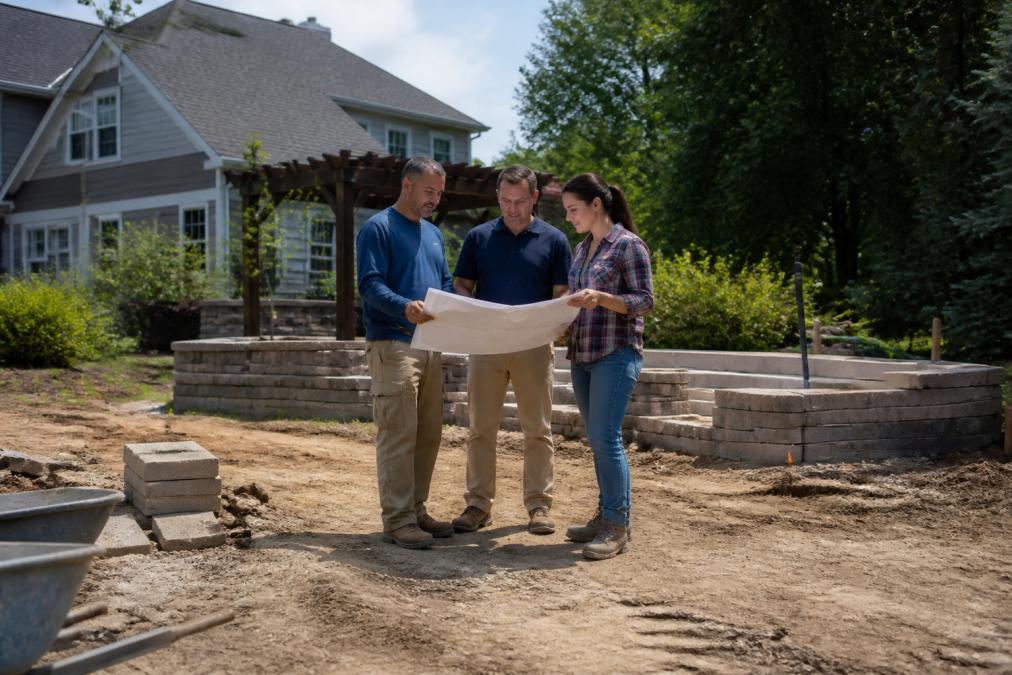
Hiring a general contractor for backyard work separates successful outdoor transformations from costly disasters. A qualified contractor brings experience, project management, and accountability that DIY approaches cannot match. Backyard projects involve excavation, underground utilities, grading, and municipal permits, one mistake in drainage design, structural calculation, or permit requirements can cost thousands to fix and create liability issues for years.
A professional contractor handles the complexity you don't see: soil assessment, permit coordination, utility locates, drainage calculations, and compliance with local building codes. They manage timelines, coordinate subcontractors, and ensure work meets standards. This is where real value lives, doing it right the first time.
What to Look for When Hiring a General Contractor
Finding the right contractor requires checking specific credentials and verifying real experience.
Licensing and Insurance Verification
A licensed contractor has passed exams, met experience requirements, and maintains compliance with state and local regulations. In Michigan, verify any contractor's license status through the Michigan Department of Licensing and Regulatory Affairs before signing anything (michigan.gov).
Insurance is equally critical. A contractor should carry general liability insurance and workers' compensation insurance. Ask for a certificate of insurance naming you as an additional insured. Call the insurance company directly to verify coverage is active.
Delpres Services LLC maintains full licensing and comprehensive insurance across all Michigan service areas. This protects both parties and ensures work meets code.
References and Past Project Examples
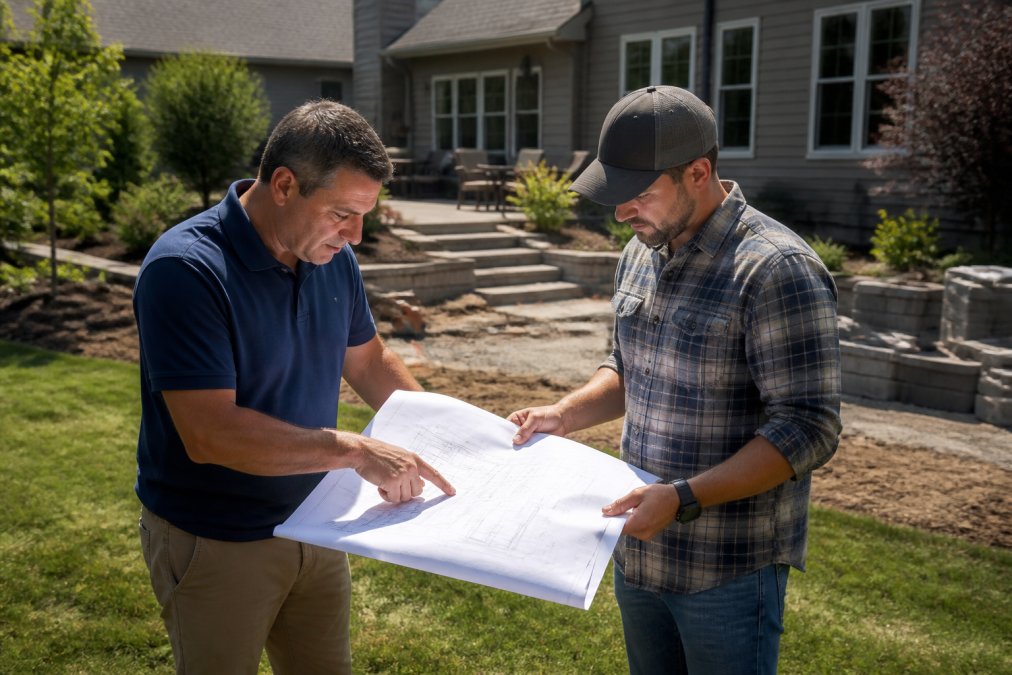
Ask for at least three references from projects completed in the last two years. Call these references and ask: Did the contractor finish on time? Were there unexpected costs? How was communication? Did they clean up properly? References from similar projects are more valuable than general references.
Request to see photos or visit completed projects if possible. A contractor confident in their work will readily provide this. Pay attention to finished surface quality, drainage solutions, and site restoration.
Key Questions to Ask Before Hiring
Project Timeline and Scheduling Ask how long the project will take and when they can start. A contractor should explain what factors might affect the timeline, including weather delays and permit waiting periods.
Cost Breakdown and Payment Schedule Ask for a detailed estimate breaking down labor, materials, equipment, and permits separately. Understand the payment schedule, typically a deposit, progress payments as work advances, and final payment upon completion. Never pay the full amount upfront.
Permit Handling Ask who handles permits. Most reputable contractors include permit costs and responsibility in their estimate. Delpres Services LLC handles all permit coordination and compliance so homeowners don't navigate local requirements alone.
Subcontractors and Crew Ask if the contractor uses their own crew or subcontractors. If subcontractors are involved, ask how you'll communicate and who's responsible if something goes wrong.
Communication and Change Orders Ask how you'll communicate during the project and how change orders are handled if you discover issues or want modifications.
Insurance and Liability Ask for proof of general liability and workers' compensation insurance. Also ask about their process if someone is injured on the job or if damage occurs to your property.
Hiring a Licensed Contractor for Outdoor Living Spaces
Outdoor living spaces require specialized knowledge. When hiring a licensed contractor, prioritize those with specific experience in your project type.
A contractor experienced in outdoor living understands drainage, soil composition, elevation changes, and how to integrate hardscaping with landscape features. They know how different materials perform in Michigan's climate and understand how outdoor spaces interact with your home's foundation and existing drainage systems.
For pool construction, a contractor should understand Michigan's pool safety codes, setback requirements, electrical codes for pool equipment, and proper drainage around the pool structure (michigan.gov). When evaluating contractors, ask specifically about their experience with similar installations.
Delpres Services LLC provides premium outdoor living spaces, decorative concrete, pool construction, and custom landscape solutions, integrating structural integrity with aesthetic design.
Understanding Residential Construction Permit Requirements
Permit requirements vary by municipality, but most residential backyard projects in Michigan require permits.
Common Projects Requiring Permits:
- Pool installation (almost always required)
- Retaining walls over 4 feet (typically required) (iccsafe.org)
- Deck or patio construction over a certain size
- Grading or drainage work affecting neighboring properties
- Electrical work for outdoor lighting or pool equipment
A contractor submits plans to your local building department, pays permit fees, and receives approval before work begins. Inspections occur at key stages, and the contractor addresses any code violations before final approval.
Site Drainage Solutions vs Retaining Walls: Which Does Your Project Need
Many homeowners face a choice between drainage solutions and retaining walls when dealing with sloped or water-logged yards.
Drainage Solutions address water movement and removal through French drains, surface drains, grading adjustments, and underground pipe systems that direct water away from structures. They work best when your main problem is water pooling or wet basement conditions.
Retaining Walls hold back soil on sloped properties, create level areas, and prevent soil erosion. They're the right choice when you need to reshape your landscape or prevent slope failure.
Many projects need both. A sloped yard might require a retaining wall plus drainage behind it to prevent water pressure buildup. A contractor assesses your site conditions and recommends the right solution. Delpres Services LLC specializes in both drainage solutions and retaining walls, evaluating your property and recommending the most effective approach.
The Contractor Selection Process: From Initial Contact to Project Start
Phase 1: Initial Contact and Information Gathering Contact contractors by phone or website. A professional contractor responds promptly and asks clarifying questions.
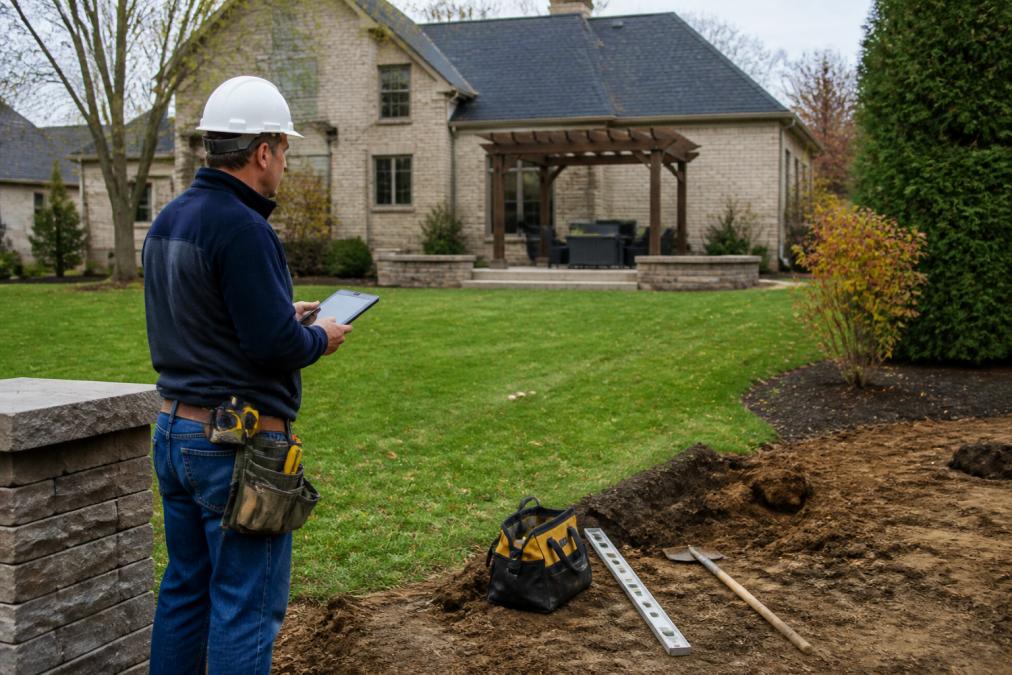
Phase 2: Site Visit and Estimate A qualified contractor visits your property, assesses site conditions, discusses your vision, and prepares a detailed estimate. This meeting reveals how well they listen and how professional they are.
Phase 3: Estimate Review Compare estimates from multiple contractors. Don't automatically choose the lowest price. Compare scope of work, materials, timeline, and included services. A significantly lower estimate often means corners are being cut.
Phase 4: Reference Checks Contact references and ask detailed questions about their experience, communication, handling of unexpected issues, and work quality.
Phase 5: Contract and Agreement A professional contractor provides a detailed contract outlining scope, timeline, payment schedule, materials, and warranty. Review carefully and ask questions about anything unclear.
Phase 6: Pre-Project Meeting Before work begins, meet with the contractor to confirm start date, site access, parking, utility locations, and daily operations. Clarify how change orders will be handled.
A contractor who moves deliberately through these phases and maintains clear communication is likely one you can trust.
Red Flags and How to Avoid Problem Contractors
Red Flag: Demands Full Payment Upfront Standard practice is a deposit, progress payments as work advances, and final payment upon completion. Full upfront payment leaves you with no recourse if the contractor abandons the project.
Red Flag: Won't Provide Written Estimates or Contracts Everything should be in writing. A contract protects both parties and clarifies expectations.
Red Flag: No License or Insurance A contractor without a license or proof of insurance is operating illegally and exposes you to liability.
Red Flag: Unusually Low Estimates If an estimate is dramatically lower than others, the contractor is cutting corners, planning to upsell you mid-project, or won't complete the work.
Red Flag: Poor Communication or Evasiveness A contractor who doesn't return calls or avoids answering questions will likely be difficult during the project.
Red Flag: Pressure to Decide Quickly A contractor pushing you to sign immediately is using pressure tactics. Quality contractors don't need to pressure homeowners.
Red Flag: No References or Won't Show Past Work A contractor unwilling to provide references or show completed projects has something to hide.
Hiring the right general contractor for backyard work is one of the most important decisions in your renovation. Look for licensing, insurance, relevant experience, and clear communication. Ask tough questions, check references thoroughly, and avoid contractors showing red flags.
At Delpres Services LLC, we've built 20 years of experience delivering backyard transformations, pool construction, drainage solutions, and outdoor living spaces across Chesterfield and Metro Detroit. Our approach prioritizes transparent communication, detailed planning, and accountability from start to finish. When you're ready to move forward with confidence, contact Delpres Services LLC for a consultation and let our team guide you through the entire process with expertise and integrity.
Frequently Asked Questions
Q: Do I need a general contractor for a backyard renovation in Chesterfield?
A: For major backyard projects like inground pools, extensive grading, drainage systems, or outdoor living spaces, a licensed general contractor is essential. They handle permits, coordinate trades, and ensure compliance with local building codes. Smaller projects like deck repairs may not require a general contractor, but for anything involving excavation, utilities, or structural work, professional expertise protects your investment and property.
Q: What permits are required for backyard construction in Chesterfield?
A: Most backyard projects in Chesterfield require building permits, particularly for pools, permanent structures, and drainage work. Permit requirements vary by project scope and location within the township. A licensed general contractor familiar with local regulations will handle permit applications, inspections, and compliance. Contact Chesterfield's building department or your contractor to confirm specific requirements before starting work.
Q: How do I verify a general contractor's license in Michigan?
A: Michigan requires general contractors to be licensed through the Department of Licensing and Regulatory Affairs (LARA). You can verify licensing status online through LARA's database. Check that the license is current and active, review any disciplinary history, and confirm the contractor carries workers' compensation insurance. Always request proof of licensing and insurance before signing a contract.
Q: What is the difference between a landscaper and a general contractor for backyard projects?
A: Landscapers focus on plants, hardscaping aesthetics, and design. General contractors manage structural work, permits, grading, drainage, excavation, and underground utilities. For backyard projects involving pools, retaining walls, site drainage, or major excavation, you need a licensed general contractor. A landscaper may handle finishing touches, but the contractor oversees the foundation and infrastructure.
This article was written using GrandRanker
Frequently Asked Questions
Q: Do I need a general contractor for a backyard renovation in Chesterfield?
A: For major backyard projects like inground pools, extensive grading, drainage systems, or outdoor living spaces, a licensed general contractor is essential. They handle permits, coordinate trades, and ensure compliance with local building codes. Smaller projects like deck repairs may not require a general contractor, but for anything involving excavation, utilities, or structural work, professional expertise protects your investment and property.
Q: What permits are required for backyard construction in Chesterfield?
A: Most backyard projects in Chesterfield require building permits, particularly for pools, permanent structures, and drainage work. Permit requirements vary by project scope and location within the township. A licensed general contractor familiar with local regulations will handle permit applications, inspections, and compliance. Contact Chesterfield's building department or your contractor to confirm specific requirements before starting work.
Q: How do I verify a general contractor's license in Michigan?
A: Michigan requires general contractors to be licensed through the Department of Licensing and Regulatory Affairs (LARA). You can verify licensing status online through LARA's database. Check that the license is current and active, review any disciplinary history, and confirm the contractor carries workers' compensation insurance. Always request proof of licensing and insurance before signing a contract.
Q: What is the difference between a landscaper and a general contractor for backyard projects?
A: Landscapers focus on plants, hardscaping aesthetics, and design. General contractors manage structural work, permits, grading, drainage, excavation, and underground utilities. For backyard projects involving pools, retaining walls, site drainage, or major excavation, you need a licensed general contractor. A landscaper may handle finishing touches, but the contractor oversees the foundation and infrastructure.