 how-to
Book Professional Deep Excavation Services
Table of Contents
- What Deep Excavation Services Include
- OSHA Trenching and Excavation Safety Standards
- Site Assessment and Project Consultation
- Deep Excavation Cost Estimation and Budgeting
- Excavation Project Timeline and Planning
- Permitting and Local Zoning Requirements
- How to Schedule Your Deep Excavation Consultation
- Conclusion
Last Updated: August 11, 2026
What Deep Excavation Services Include
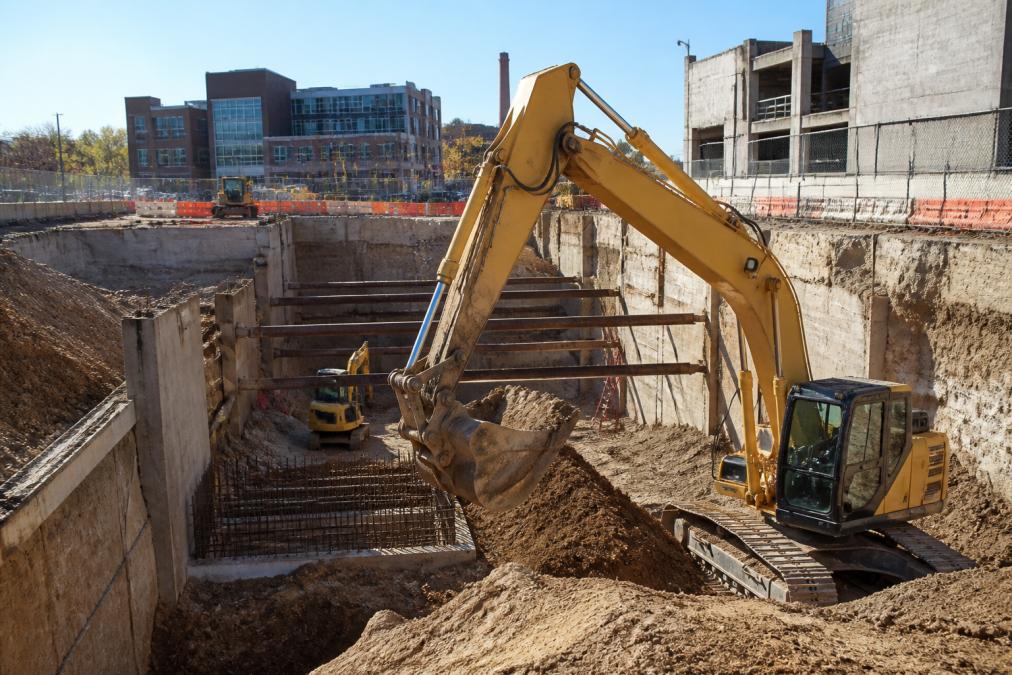
Deep excavation services encompass a comprehensive range of site preparation and underground construction work that goes far beyond simple digging. When you book professional deep excavation services, you're engaging contractors who manage everything from initial site assessment through final grading and compaction. These services typically include foundation excavation, trenching for utilities, soil stabilization, debris removal, and site clearing, all executed with precision and safety as top priorities.
The scope of deep excavation services varies significantly depending on your project type. Residential projects might focus on pool installation, basement foundation work, or drainage system installation. Commercial developments require more complex coordination, including underground utility routing, storm and sanitary sewer installation, and subsurface utility engineering to avoid hitting existing infrastructure. Industrial and municipal projects often demand specialized techniques like hydro excavation, shoring systems, and geotechnical engineering solutions to handle challenging soil conditions and load-bearing requirements.
At Delpres Services LLC, we manage the full spectrum of excavation work. Our team handles site surveys, soil analysis, equipment mobilization, and careful backfilling with proper soil compaction to ensure structural integrity. We coordinate with local utilities, manage permit requirements, and maintain detailed project documentation throughout the process. Understanding what's included in professional deep excavation services helps you evaluate contractors and set realistic expectations for your project timeline and budget.
OSHA Trenching and Excavation Safety Standards
Excavation work is among the most hazardous construction activities, which is why OSHA trenching and excavation safety standards exist as mandatory requirements for all excavation projects. These standards mandate specific protective systems based on soil type, trench depth, and ground conditions. Contractors must conduct soil classification before digging, implement appropriate shoring or sloping, and maintain constant atmospheric monitoring in deeper excavations.
OSHA requires that excavations deeper than five feet must have a protective system in place, either sloping the trench walls at safe angles, installing shoring systems like trench boxes or hydraulic shores, or using sheet piling and bracing. The specific approach depends on soil classification. Stable rock allows near-vertical walls, while clay and silt require more gradual slopes or mechanical support. Contractors must also ensure proper equipment operation, maintain safe distances from trench edges, and implement fall protection for workers near excavation hazards.
Compliance with OSHA trenching and excavation safety standards isn't optional, it's legally required and directly affects worker safety. Professional contractors maintain current OSHA certifications, conduct daily safety briefings, and perform competent person inspections before workers enter any excavation. They also maintain proper documentation of soil classification, protective systems used, and safety protocols followed. When you hire experienced excavation contractors, you're ensuring that your project meets all regulatory requirements and protects everyone on site.
OSHA excavation standards and requirements
Site Assessment and Project Consultation
Before any excavation work begins, a thorough site assessment determines project feasibility, identifies potential challenges, and establishes the foundation for accurate cost estimation. During the consultation phase, professional contractors evaluate soil conditions, identify underground utilities, assess drainage patterns, and determine the best excavation methods for your specific situation. This assessment phase typically involves a site visit, soil testing, utility locates, and a detailed review of your project goals.
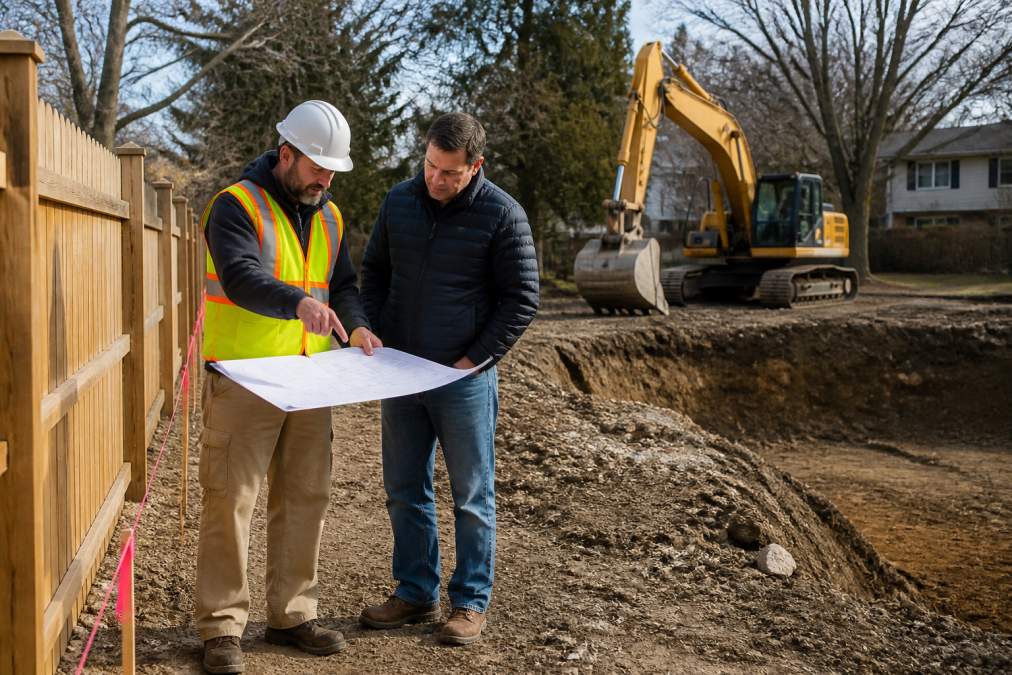
The site assessment process reveals critical information that shapes your entire project. Contractors perform soil boring or test pits to understand soil composition at various depths, essential knowledge for determining safe trench slopes, foundation depth requirements, and equipment selection. They coordinate utility locates through the regional One Call system to map electrical, gas, water, and telecommunications lines. They also evaluate drainage and groundwater conditions, which directly affect excavation difficulty and required dewatering solutions.
Delpres Services LLC conducts comprehensive site assessments that include geotechnical evaluation, utility mapping, and detailed project planning. Our team identifies potential complications early, unstable soil conditions, high water tables, or complex utility routing, so you understand realistic timelines and costs before committing to the project. We provide written recommendations based on findings and discuss multiple approaches to achieve your goals within budget constraints. This consultation phase typically takes one to two weeks, depending on project complexity and the need for specialized testing.
Deep Excavation Cost Estimation and Budgeting
Deep excavation cost estimation requires detailed knowledge of soil conditions, equipment requirements, labor intensity, and project complexity. Professional contractors provide estimates based on several key factors: excavation depth and volume, soil type and stability, equipment needed, site accessibility, permit requirements, and disposal costs for excavated material. A transparent estimate breaks down these components so you understand what you're paying for.
Factors that significantly impact deep excavation costs include soil classification and removal difficulty, the need for specialized equipment like hydro excavation trucks or dewatering systems, distance to material disposal sites, project timeline and seasonal considerations, and complexity of utility coordination. Rocky soil costs more to excavate than clay. Projects requiring shoring systems or slope stability engineering cost more than simple open-pit excavation. Tight urban sites cost more than open rural locations due to equipment access limitations and safety requirements.
When budgeting for deep excavation services, expect that estimates typically include site preparation, excavation and material removal, equipment rental and operation, labor costs, safety compliance measures, and site restoration or backfilling. Many contractors also build contingency costs into estimates, typically 10-15% of the base cost, to account for unexpected soil conditions or utility conflicts discovered during work. Understanding these components helps you evaluate whether estimates are competitive and realistic.
| Cost Factor | Impact on Budget | Typical Consideration |
|---|---|---|
| Excavation depth | High | Deeper work requires more equipment time and safety measures |
| Soil type | High | Rock and clay cost more than sand; unstable soil requires shoring |
| Equipment needs | High | Hydro excavation, dewatering, or specialized shoring increases costs |
| Site accessibility | Medium | Tight spaces limit equipment options; rural sites may have longer haul distances |
| Utility coordination | Medium | Complex utility routing or conflicts extend timeline and costs |
| Material disposal | Medium | Distance to landfill or recycling facility affects removal costs |
Delpres Services LLC provides detailed cost estimates based on your specific site conditions and project requirements. We explain the reasoning behind our estimates and discuss options for cost management without compromising quality or safety. Our transparent approach helps you make informed decisions about your excavation project budget.
Excavation Project Timeline and Planning
Excavation project timelines depend on scope, site conditions, permit requirements, and weather factors. A straightforward residential excavation for a foundation or pool might take two to four weeks from initial consultation to project completion. Complex commercial or municipal projects involving utility coordination, multiple phases, or challenging soil conditions can span several months. Understanding realistic timelines helps you plan for property access, coordinate with other contractors, and manage expectations.
The project timeline typically includes several distinct phases: initial site assessment and consultation (one to two weeks), permit applications and approvals (two to six weeks depending on local requirements), site mobilization and preparation (one to two weeks), actual excavation work (one to four weeks depending on scope), and final grading and restoration (one to two weeks). Weather significantly impacts timelines, heavy rain can halt work, frozen ground requires different techniques, and seasonal factors affect equipment availability.
Professional contractors build realistic timelines that account for these variables. They communicate progress regularly, flag potential delays early, and adjust work schedules when necessary to maintain momentum. Delpres Services LLC manages project timelines carefully, coordinating with local authorities, utility companies, and other trades to keep your project moving forward. We provide regular updates on progress and maintain detailed schedules that help you plan around the work.
Permitting and Local Zoning Requirements
Before excavation begins, most projects require permits and must comply with local zoning regulations and building codes. Permit requirements vary significantly by location and project type. Residential excavation for pools or foundations typically requires building permits and may require separate grading or drainage permits. Commercial and municipal projects often require multiple permits covering site development, utilities, stormwater management, and environmental compliance.
Local zoning requirements affect how you can use your property and what types of excavation work are permitted. Setback requirements limit how close excavation can occur to property lines. Height restrictions affect grading and fill placement. Wetland or environmental protection zones may restrict excavation entirely or require specialized environmental compliance. Historic districts or archaeological sensitive areas may impose additional requirements. Understanding these requirements before planning your project prevents costly redesigns.
Permitting timelines vary widely. Simple permits might be issued within days, while complex projects requiring environmental review or multiple agency approvals can take several months. Professional contractors manage the permitting process, prepare required documentation, coordinate with local agencies, and track approval status. They understand local requirements and help you navigate the approval process efficiently.
EPA wetland and environmental protection requirements
Delpres Services LLC has extensive experience with local permitting requirements throughout the region. We understand local building codes, zoning regulations, and agency requirements. Our team prepares permit applications, coordinates with local authorities, and manages the approval process. This experience saves time and prevents delays caused by incomplete applications or misunderstandings about local requirements.
How to Schedule Your Deep Excavation Consultation
Scheduling a professional deep excavation consultation is straightforward. Contact Delpres Services LLC with details about your project, location, scope, and timeline. We'll discuss your needs and schedule a convenient time for an on-site assessment. During the consultation, our team evaluates your property, discusses project goals, answers questions, and provides a preliminary overview of approach and timeline.
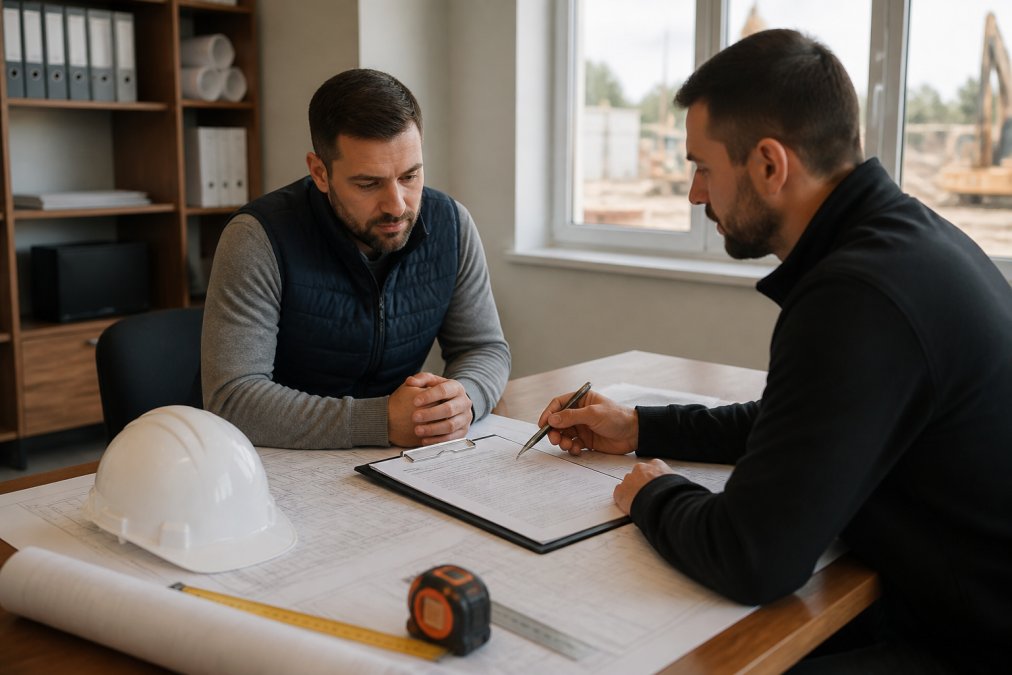
Prepare for your consultation by having clear information about your project goals, property details, and timeline expectations. If you have existing site plans, utility maps, or previous surveys, bring those materials. Be ready to discuss budget parameters and any constraints, property access limitations, neighbor considerations, or seasonal timing preferences. The more information you provide upfront, the more thorough and accurate our assessment can be.
During the consultation, we'll walk your property, discuss excavation requirements, identify potential challenges, and explain our recommended approach. We'll answer questions about timeline, budget, safety measures, and the overall process. We'll provide a preliminary estimate and discuss next steps, including site testing if needed, permit applications, and project scheduling. This consultation is your opportunity to evaluate our team, confirm we're a good fit for your project, and establish clear expectations.
When you're ready to book professional deep excavation services, choose a contractor with proven expertise, transparent communication, and a commitment to safety and quality. Delpres Services LLC brings 20+ years of hands-on experience to every project, from residential pool installations to complex commercial site development. We manage the complete process, site assessment, permitting, excavation, and restoration, with one accountable team from start to finish. Our multidisciplinary capabilities mean you coordinate with one contractor instead of juggling multiple specialists. Contact Delpres Services LLC today to schedule your deep excavation consultation and get started on your project with confidence.
Frequently Asked Questions
What factors influence the cost of deep excavation services?
Deep excavation cost estimation depends on several key factors: site size and complexity, soil conditions, excavation depth, equipment required, project duration, permitting needs, and debris removal. Geotechnical engineering assessments may increase costs but prevent costly mistakes. Labor intensity, seasonal timing, and local zoning compliance also affect pricing. A professional contractor will evaluate your specific site conditions to provide an accurate estimate.
What safety regulations must deep excavation contractors follow?
OSHA trenching and excavation safety standards require contractors to assess soil stability, implement proper shoring or sloping, ensure competent supervision, and provide worker protection systems. Requirements vary by excavation depth and soil classification. Contractors must also follow local building codes, utility locating procedures, and site-specific safety protocols. Professional excavation services include full compliance with these regulations to protect workers and property.
Do I need a permit for deep excavation on my property?
Most deep excavation projects require permits from your local building department, especially for foundation work, utility installation, or grading changes. Permit requirements vary by municipality and project scope. Your excavation contractor should handle permitting and zoning compliance as part of the service. Working with a licensed contractor ensures all local requirements are met before work begins, preventing costly delays or violations.
How long does a typical deep excavation project take?
Excavation project timeline depends on project scope, site conditions, equipment availability, and weather. A residential pool or foundation excavation may take 1-3 weeks, while commercial site preparation can extend 4-12 weeks or longer. The timeline includes site assessment, permitting, actual excavation, grading, backfilling, and compaction. Your contractor should provide a detailed schedule during the consultation phase so you understand when work begins and completion dates.
This article was written using GrandRanker