 ultimate-guide
Underground Utility Infrastructure Installation Guide
Table of Contents
- Planning Your Underground Utility Infrastructure Installation
- Utility Line Permitting in Chesterfield
- Utility Excavation Safety Standards
- Storm and Sanitary Sewer Installation Process
- Backfilling and Compaction for Underground Utilities
- Testing and Inspection Before Handoff
- Common Mistakes to Avoid
- Frequently Asked Questions
Last Updated: September 4, 2026
Planning Your Underground Utility Infrastructure Installation
Installing underground utility infrastructure requires careful preparation before any equipment arrives on site. The success of your project depends on thorough planning, accurate site assessment, and proper material selection. At Delpres Services LLC, we've learned that the planning phase determines whether a project runs smoothly or encounters costly delays.
Site Assessment and Design
Your underground utility infrastructure installation begins with a detailed site assessment. Walk the property and identify existing structures, vegetation, slopes, and drainage patterns. Document the soil type, clay, sand, or rocky composition affects excavation difficulty and pipe bedding requirements. Check for utility locates by contacting your local call-before-you-dig service at least three business days before work begins.
Design your utility routes to minimize conflicts with existing infrastructure and future development. Consider accessibility for maintenance and repair. Calculate grades and elevations to ensure proper drainage for storm and sanitary systems. Create a scaled site plan showing pipe routes, depths, and connection points. This plan becomes your roadmap during installation and helps prevent costly mistakes.
Equipment and Material Selection
Choose materials based on soil conditions, climate, and intended use. PVC pipe works well in most conditions but requires careful handling in rocky soil. Concrete pipe offers durability in corrosive environments. HDPE pipe provides flexibility for settling soils. Select pipe diameter based on flow calculations, undersized pipes cause backups, oversized pipes waste money and space.
Gather bedding materials, compaction equipment, and safety gear before starting. Sand or engineered bedding supports pipes and distributes load evenly. Gravel provides drainage around the pipe. Compaction equipment ranges from hand tampers for small areas to vibratory compactors for larger installations. Delpres Services LLC maintains a fleet of professional-grade compaction and excavation equipment to ensure proper material preparation and installation standards.
Utility Line Permitting in Chesterfield
Before breaking ground, obtain all required permits from local authorities in Chesterfield. Contact the municipal building department to determine permit requirements for your specific project. Storm sewer installations typically require separate permits from sanitary sewer work. Water main installations may require permits from the water authority.
Submit detailed plans showing pipe routes, materials, depths, and connection points. Include calculations for pipe sizing and slope. The permitting process usually takes two to four weeks, so plan accordingly. Inspections occur at specific stages, before backfilling, after compaction, and before final approval. Work with an experienced contractor familiar with local Chesterfield requirements to navigate the permitting process efficiently and avoid delays that compromise your timeline.
Utility Excavation Safety Standards
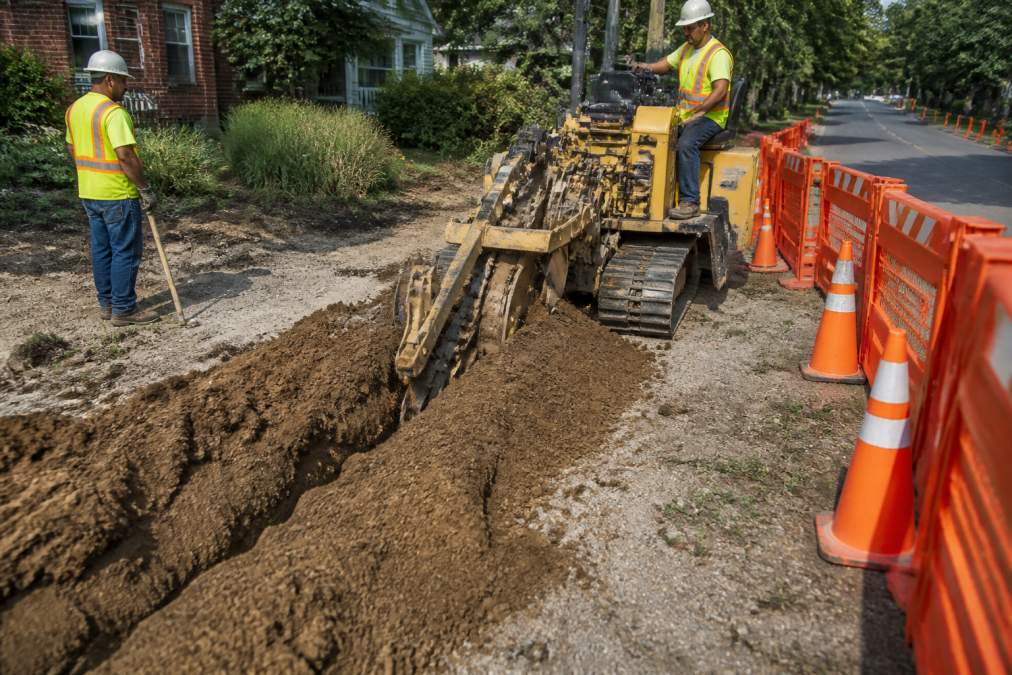
Excavation safety protects workers, prevents property damage, and ensures regulatory compliance. Before excavation begins, mark all existing utilities, water mains, gas lines, electric conduits, and telecommunications cables. Improper excavation damages these utilities and creates dangerous conditions. OSHA regulations require proper excavation procedures, protective systems, and atmospheric monitoring in trenches deeper than five feet (osha.gov).
Pre-Excavation Procedures
Contact the call-before-you-dig service to request utility locates. Technicians mark existing lines with paint or flags. Wait for confirmation that all utilities have been marked before starting excavation. Review the marks carefully, some utilities run deeper than others, and marks indicate surface locations only. Verify depths by carefully exposing utilities by hand in critical areas.
Establish a safety perimeter around the excavation area. Post warning signs and barriers to prevent unauthorized entry. Brief all workers on the excavation plan, utility locations, and emergency procedures. Assign a competent person to supervise the work and monitor conditions continuously.
On-Site Safety Protocols
Maintain proper trench protection systems based on soil type and depth. Sloped sides, shoring, or trench boxes prevent collapse. Install ladders for entry and exit in trenches deeper than four feet. Never allow workers to enter a trench without proper protection. Monitor atmospheric conditions in deep trenches, oxygen deficiency and hazardous gases create life-threatening conditions.
Implement traffic control if excavation occurs near roadways. Post spotters when heavy equipment operates near workers. Keep equipment operators informed of personnel locations. Establish clear communication protocols, hand signals, radios, or verbal confirmation prevent accidents caused by miscommunication. These safety standards protect your team and ensure your underground utility infrastructure installation meets regulatory requirements.
Storm and Sanitary Sewer Installation Process
Storm and sanitary sewer systems serve different purposes and require separate installation approaches. Sanitary sewers carry wastewater from buildings to treatment plants. Storm sewers drain rainwater from roofs and surfaces. Combined systems handle both, though new installations typically separate them. Understanding these differences guides material selection, slope requirements, and connection protocols.
Pipe Laying and Grade Management
Lay pipe on prepared bedding at the correct slope. Sanitary sewers typically slope at 0.5 to 1 percent, enough to move solids without excessive velocity (the EPA). Storm sewers slope similarly but tolerate steeper grades. Slope too shallow and solids accumulate; slope too steep and pipe scours. Use a laser level or transit to verify grades as you lay each section.
Support the pipe on uniform bedding material. Hand-place the first few inches of sand or engineered bedding, then position the pipe. Check alignment and grade before backfilling. Ensure the pipe sits firmly on the bedding without rocking or voids underneath. Voids cause pipe settlement and joint separation, leading to infiltration and leaks. Delpres Services LLC uses precision grading techniques and professional surveying to ensure your underground utility infrastructure installation maintains proper slopes throughout the system.
Connection Points and Access Structures
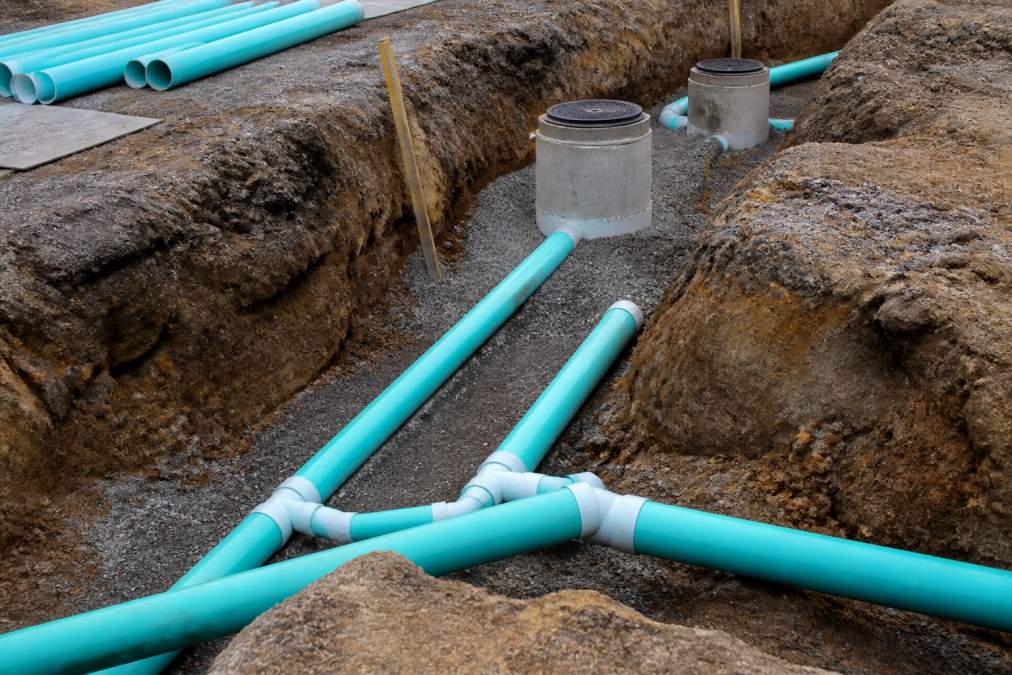
Install cleanouts and access structures at regular intervals, typically every 300 to 400 feet for sanitary systems and at changes in direction or slope (asce.org). These structures allow cleaning and inspection. Cleanouts provide access to clear blockages. Manholes allow workers to enter the system for maintenance. Position them where they're accessible but won't interfere with future development.
Connect branch lines to the main sewer at proper angles. Use wye fittings or tees for sanitary systems; avoid sharp bends that trap solids. Install appropriate reducers when connecting smaller pipes. Ensure all connections are watertight, improper connections cause infiltration and system failures. Test each connection before backfilling to confirm proper installation.
Backfilling and Compaction for Underground Utilities
Backfilling is not simply pushing dirt back into the trench. Proper backfilling protects pipes, prevents settlement, and ensures long-term system performance. Use suitable material, avoid rocks, clay lumps, and debris that damage pipes or create voids. Begin with the initial bedding layer around the pipe, typically four to six inches of sand or engineered material.
Compact material in lifts, typically six to eight inch layers. Use appropriate compaction equipment based on trench width and depth. Hand tamping works for narrow trenches; vibratory compactors suit wider areas. Achieve proper density, typically 90 to 95 percent of maximum dry density. Under-compacted material settles, causing pipe misalignment and joint separation. Over-compaction strains pipes and creates excessive stress.
Verify compaction with density testing or visual inspection. Properly compacted material resists foot impression and doesn't shift when pressure is applied. Continue backfilling to grade, then restore the surface according to site conditions. In areas with future construction, ensure backfill density meets requirements for the planned use.
Testing and Inspection Before Handoff
Before accepting the underground utility infrastructure installation, conduct thorough testing and inspection. For sanitary and storm sewers, perform a visual inspection using CCTV cameras. This technology reveals cracks, joint misalignment, root intrusion, and debris. Address any defects before final acceptance.
Conduct pressure or smoke tests to verify system integrity. Pressure tests detect leaks in the pipe and joints. Smoke tests reveal illicit connections and defects. Document all test results and any remedial work completed. Obtain final inspection sign-off from the local authority having jurisdiction. This documentation protects your investment and ensures the system functions as designed.
Common Mistakes to Avoid
Many projects encounter preventable problems. Inadequate site investigation leads to unexpected soil conditions and schedule delays. Insufficient utility locating causes damage to existing infrastructure and safety hazards. Improper pipe bedding and support creates settlement and joint separation. Under-compacted backfill settles over time, causing surface depressions and pipe misalignment.
Ignoring local permitting requirements results in fines and project shutdowns. Failing to verify grades during installation means discovering slope problems too late to correct easily. Rushing the testing phase masks defects that become expensive problems after handoff. Poor communication between contractors and inspectors causes misunderstandings about requirements and standards.
Working with experienced professionals prevents these mistakes. Delpres Services LLC brings 20+ years of hands-on expertise in underground utility infrastructure installation projects throughout Metro Detroit. Our team manages every detail, from initial planning through final inspection, ensuring your project meets specifications, local requirements, and quality standards.
Underground utility infrastructure installation demands precision, safety awareness, and regulatory knowledge. Whether you're developing commercial property, expanding municipal systems, or upgrading residential infrastructure in Chesterfield, proper planning and execution protect your investment and ensure long-term system performance. Delpres Services LLC has successfully completed complex underground utility infrastructure installation projects for residential, commercial, industrial, and municipal clients. Our team handles permitting, excavation, pipe installation, testing, and final inspection, delivering projects on schedule and within scope. Book a consultation to discuss your underground utility infrastructure installation needs and learn how our experience can simplify your project.
Frequently Asked Questions
What are the regulatory requirements for underground utility installation in Chesterfield?
Underground utility infrastructure installation in Chesterfield requires permits from the township or municipal authority, compliance with the Michigan Underground Utility Facilities Protection Act (MCL 408.301), and adherence to OSHA trenching and excavation standards. You must call 811 (or submit a request online) at least 48 hours before digging to have existing utilities marked. All installations must meet local zoning codes, building codes, and utility-specific regulations enforced by the municipality. Delpres Services handles the full permitting process to ensure your project meets all local requirements.
How does Delpres Services ensure safety during utility excavation?
Safety during utility excavation starts with locating and marking all existing underground utilities before any digging begins. Our team follows OSHA standards for trench safety, including proper slope angles, shoring, and protective systems based on soil conditions. We maintain safe distances from marked utilities, use traffic control and barriers to protect workers and the public, conduct daily site inspections, and ensure all crew members are trained in excavation safety. We also coordinate with local inspectors and follow all utility-specific safety protocols to prevent damage, injury, and project delays.
What is the difference between wet and dry utility installation?
Wet utilities carry water or wastewater and include water mains, storm sewers, and sanitary sewers. Dry utilities carry electricity, gas, telecommunications, or data and include power lines, gas lines, and fiber optic cables. Wet utilities require sloped trenches to ensure proper drainage and flow, larger diameter pipes, and specific bedding and backfill materials. Dry utilities often have stricter depth and clearance requirements and may need conduit protection. Both require careful coordination during installation to avoid conflicts and ensure compliance with local codes and utility company standards.
What are the best practices for trenching and backfilling in Metro Detroit soil conditions?
Metro Detroit soil often includes clay, silt, and variable compaction, which affects trench stability and drainage. Best practices include proper slope angles (typically 1:1 for clay soils), use of shoring or trench boxes where required, careful excavation to avoid damaging utilities, and compaction of backfill material in 6 to 12-inch lifts to at least 90% standard Proctor density. Drainage considerations are critical, especially in areas with high water tables. Using appropriate bedding material (sand or gravel) under pipes protects them and aids compaction. Our team assesses soil conditions on-site and adjusts procedures accordingly to ensure long-term stability and performance.
How do I coordinate utility installation with Chesterfield municipal requirements?
Start by submitting permit applications to the Chesterfield Township office or relevant municipal department, which will specify inspection schedules and code requirements. Call 811 to have utilities marked at least 48 hours before digging. Coordinate with water, sewer, and utility providers to confirm connection points and specifications. Schedule inspections at each phase (excavation, pipe laying, backfill, and final). Delpres Services manages this entire coordination process on your behalf, liaising with municipal inspectors and utility companies to keep your project on schedule and compliant.
What tools and equipment are essential for underground utility installation?
Essential equipment includes excavators for trenching, backhoes for precise digging and material handling, compactors for backfill compaction, and utility locating equipment (ground-penetrating radar or electromagnetic locators). You'll need trenching tools, shoring systems or trench boxes for worker safety, pipe laying equipment, and testing instruments (cameras, pressure gauges, flow meters). Safety gear includes hard hats, high-visibility clothing, and respiratory protection where needed. The specific equipment depends on project scope, soil conditions, and utility type. Delpres Services brings professional-grade equipment and expertise to every installation.
How long does a typical underground utility infrastructure installation take?
Timeline depends on project scope, site conditions, and weather. A residential utility installation (water line or sewer connection) typically takes 1 to 3 weeks from excavation to final testing and inspection. Larger commercial or municipal projects may take several months. Factors affecting duration include trench length and depth, soil conditions, permit processing time, inspection scheduling, and weather delays. Proper planning and experienced crews minimize delays. Delpres Services provides realistic timelines during the planning phase and maintains schedule discipline throughout the project.
What happens if existing utilities are damaged during excavation?
Damage to existing utilities is serious and potentially dangerous. If damage occurs, immediately stop work, notify the utility company, and document the incident. Depending on the utility, damage can cause service outages, safety hazards, or environmental issues. Most utility companies require notification within a specific timeframe and may assess repair costs. Prevention is critical: always call 811 before digging, wait for utilities to be marked, maintain safe distances, and hand-dig near marked lines. Our team's adherence to safety protocols and careful excavation practices prevents damage and protects your project timeline and budget.
This article was written using GrandRanker
Frequently Asked Questions
Q: What are the regulatory requirements for underground utility installation in Chesterfield?
A: Underground utility infrastructure installation in Chesterfield requires permits from the township or municipal authority, compliance with the Michigan Underground Utility Facilities Protection Act (MCL 408.301), and adherence to OSHA trenching and excavation standards. You must call 811 (or submit a request online) at least 48 hours before digging to have existing utilities marked. All installations must meet local zoning codes, building codes, and utility-specific regulations enforced by the municipality. Delpres Services handles the full permitting process to ensure your project meets all local requirements.
Q: How does Delpres Services ensure safety during utility excavation?
A: Safety during utility excavation starts with locating and marking all existing underground utilities before any digging begins. Our team follows OSHA standards for trench safety, including proper slope angles, shoring, and protective systems based on soil conditions. We maintain safe distances from marked utilities, use traffic control and barriers to protect workers and the public, conduct daily site inspections, and ensure all crew members are trained in excavation safety. We also coordinate with local inspectors and follow all utility-specific safety protocols to prevent damage, injury, and project delays.
Q: What is the difference between wet and dry utility installation?
A: Wet utilities carry water or wastewater and include water mains, storm sewers, and sanitary sewers. Dry utilities carry electricity, gas, telecommunications, or data and include power lines, gas lines, and fiber optic cables. Wet utilities require sloped trenches to ensure proper drainage and flow, larger diameter pipes, and specific bedding and backfill materials. Dry utilities often have stricter depth and clearance requirements and may need conduit protection. Both require careful coordination during installation to avoid conflicts and ensure compliance with local codes and utility company standards.
Q: What are the best practices for trenching and backfilling in Metro Detroit soil conditions?
A: Metro Detroit soil often includes clay, silt, and variable compaction, which affects trench stability and drainage. Best practices include proper slope angles (typically 1:1 for clay soils), use of shoring or trench boxes where required, careful excavation to avoid damaging utilities, and compaction of backfill material in 6 to 12-inch lifts to at least 90% standard Proctor density. Drainage considerations are critical, especially in areas with high water tables. Using appropriate bedding material (sand or gravel) under pipes protects them and aids compaction. Our team assesses soil conditions on-site and adjusts procedures accordingly to ensure long-term stability and performance.
Q: How do I coordinate utility installation with Chesterfield municipal requirements?
A: Start by submitting permit applications to the Chesterfield Township office or relevant municipal department, which will specify inspection schedules and code requirements. Call 811 to have utilities marked at least 48 hours before digging. Coordinate with water, sewer, and utility providers to confirm connection points and specifications. Schedule inspections at each phase (excavation, pipe laying, backfill, and final). Delpres Services manages this entire coordination process on your behalf, liaising with municipal inspectors and utility companies to keep your project on schedule and compliant.
Q: What tools and equipment are essential for underground utility installation?
A: Essential equipment includes excavators for trenching, backhoes for precise digging and material handling, compactors for backfill compaction, and utility locating equipment (ground-penetrating radar or electromagnetic locators). You'll need trenching tools, shoring systems or trench boxes for worker safety, pipe laying equipment, and testing instruments (cameras, pressure gauges, flow meters). Safety gear includes hard hats, high-visibility clothing, and respiratory protection where needed. The specific equipment depends on project scope, soil conditions, and utility type. Delpres Services brings professional-grade equipment and expertise to every installation.
Q: How long does a typical underground utility infrastructure installation take?
A: Timeline depends on project scope, site conditions, and weather. A residential utility installation (water line or sewer connection) typically takes 1 to 3 weeks from excavation to final testing and inspection. Larger commercial or municipal projects may take several months. Factors affecting duration include trench length and depth, soil conditions, permit processing time, inspection scheduling, and weather delays. Proper planning and experienced crews minimize delays. Delpres Services provides realistic timelines during the planning phase and maintains schedule discipline throughout the project.
Q: What happens if existing utilities are damaged during excavation?
A: Damage to existing utilities is serious and potentially dangerous. If damage occurs, immediately stop work, notify the utility company, and document the incident. Depending on the utility, damage can cause service outages, safety hazards, or environmental issues. Most utility companies require notification within a specific timeframe and may assess repair costs. Prevention is critical: always call 811 before digging, wait for utilities to be marked, maintain safe distances, and hand-dig near marked lines. Our team's adherence to safety protocols and careful excavation practices prevents damage and protects your project timeline and budget.