 how-to
How to Verify Construction References: A 2026 Guide
Table of Contents
- Why Verifying Construction References Matters
- Step 1: Confirm Contractor Licensing and Credentials
- Step 2: Request and Organize Reference Information
- Step 3: Ask the Right Construction Reference Check Questions
- Step 4: Search Chesterfield County Building Permit History
- Step 5: Identify Red Flags During Reference Verification
- Common Mistakes to Avoid When Verifying References
- Conclusion
Last Updated: August 27, 2026
Why Verifying Construction References Matters
Before you sign a contract with any contractor, verifying construction references is the single most important step you can take to protect your investment. A reference check separates contractors who deliver on their promises from those who disappear mid-project, cut corners, or leave you with incomplete work and mounting costs.
Here's what most homeowners miss: simply asking a contractor for references isn't enough. The references they provide are obviously going to say good things. The real work happens when you dig deeper, ask the right questions, and cross-check their claims against public records. This is especially true in Chesterfield and the surrounding Metro Detroit area, where building permits and contractor licensing are matters of public record.
This guide walks you through every step of how to verify construction references, from confirming licensing to identifying red flags that most people overlook.
Step 1: Confirm Contractor Licensing and Credentials
Before you even ask for references, confirm that the contractor is legally licensed to perform the work they're claiming to do. This is non-negotiable.
In Michigan, general contractors must hold a valid license issued by the state (michigan.gov). You can verify this through the Michigan Department of Licensing and Regulatory Affairs (LARA). Search the contractor's name and license number to confirm their license is active and in good standing. If they claim to be licensed and they're not, that's your first red flag.
Ask for proof of licensing directly (the CDC). A legitimate contractor will have this readily available and won't hesitate to show it to you. If they're evasive or say "it's in the office" or "I'll email it later," that's a warning sign.
Beyond state licensing, check for any disciplinary actions or complaints. The Michigan LARA database includes complaint history. If a contractor has multiple unresolved complaints, that tells you something important about how they operate.
For specialized work like electrical, plumbing, or HVAC, verify that subcontractors hold the appropriate licenses as well. A contractor who cuts corners on licensing will cut corners elsewhere too.
Insurance is equally important. Ask for proof of general liability insurance and workers' compensation insurance. Call the insurance company directly to verify the policy is active. Never accept a photocopy or email as final proof. This protects you if someone gets injured on your property.
Step 2: Request and Organize Reference Information
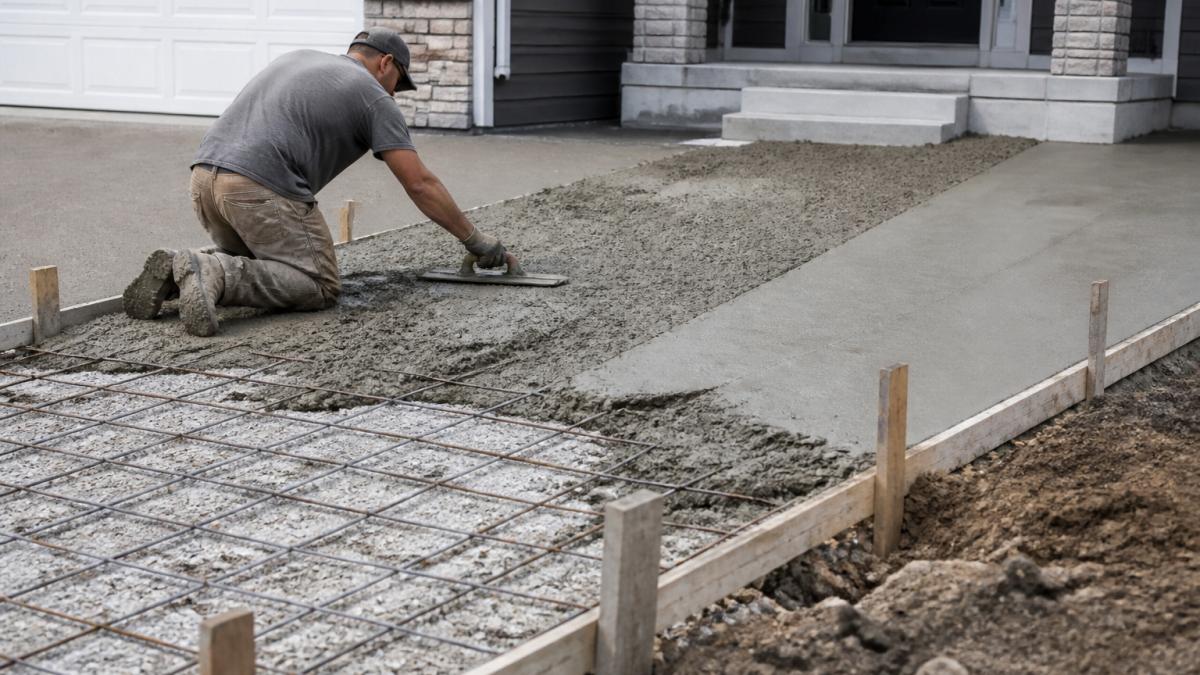
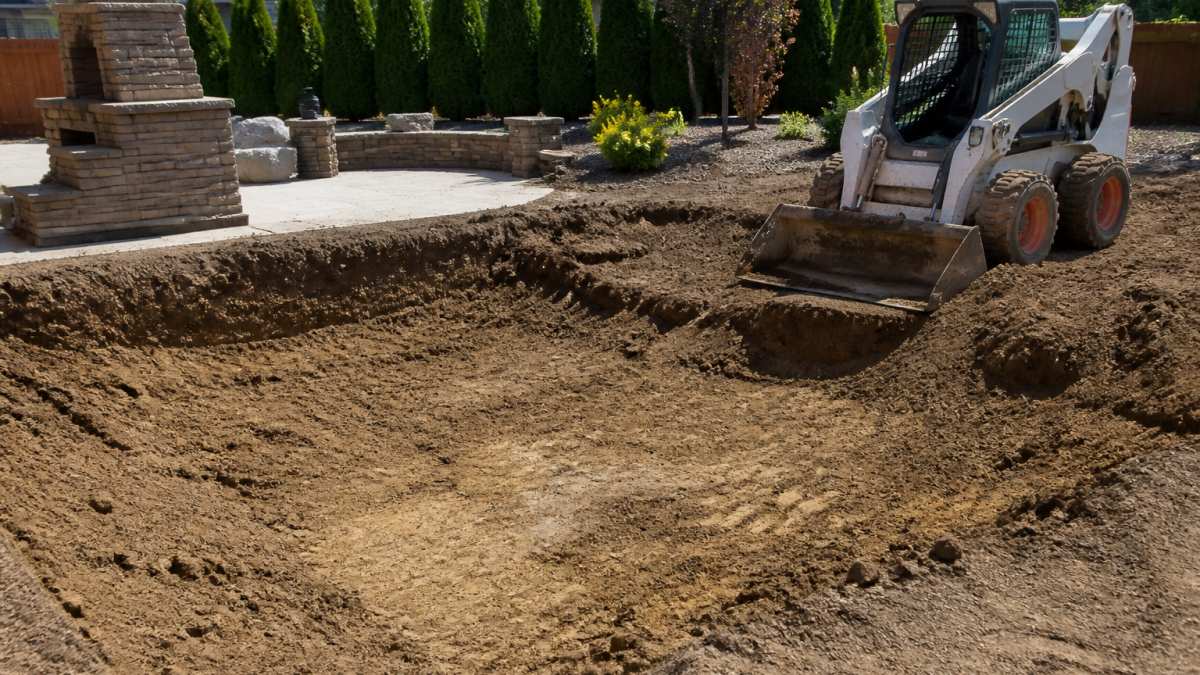
Ask the contractor for at least three to five recent references from projects similar in scope to yours. If they're claiming to do a major excavation project in Chesterfield, ask for references from other excavation work in the area. If they say they specialize in decorative concrete, get references from decorative concrete projects, not standard driveways.
Pay attention to how they provide references. Do they give you a list with names, phone numbers, and project details? Or do they vaguely say "call so-and-so sometime"? The organized contractor will have a prepared reference list with specific project information.
Request references from projects completed within the last two to three years. Recent references are more relevant than work from five years ago. The contractor's current practices matter more than their historical performance.
Ask for a mix of reference types if possible. Get references from homeowners on residential projects, but also ask about commercial or municipal work if that's relevant to your project. Different project types reveal different strengths and weaknesses.
When you contact references, introduce yourself and explain you're considering hiring the contractor for a similar project. Most people are willing to talk if you're respectful of their time. Aim for phone conversations rather than emails. You'll pick up on tone and hesitation that written communication might hide.
Take notes during each reference call. Write down specific details: the project scope, timeline, budget, quality of work, and how the contractor handled problems. These notes become your reference summary, which you'll review before making your final decision.
Step 3: Ask the Right Construction Reference Check Questions
This is where most homeowners fail. They call a reference and ask generic questions like "Was he good?" and accept a one-word answer. You need to ask specific, detailed questions that reveal how the contractor actually operates.

Questions About Project Scope and Timeline
Start by confirming basic project details. Ask: "Can you walk me through the scope of work? What exactly did the contractor do?" Listen for whether the reference clearly understands what was done. If they're vague, that might indicate the contractor wasn't clear about the work either.
Next, ask about the timeline. "How long did the project take? Was it completed on schedule?" Construction delays are common, but how the contractor handles them matters. Ask: "If there were delays, what caused them and how did the contractor communicate about them?"
Budget is critical. Ask: "What was the original estimate? Did the final cost match that estimate?" This reveals whether the contractor is honest about pricing. Ask: "Were there change orders? If so, how were they handled?" A contractor who surprises you with unexpected costs mid-project is a problem.
Questions About Quality and Problem-Solving
Ask directly: "Are you satisfied with the quality of the work?" Then follow up with specifics: "Have you noticed any issues or problems since the project was completed?" A reference who says everything was perfect might be exaggerating. A reference who mentions minor issues that were resolved shows realistic expectations.
Ask about problem-solving specifically: "Did any unexpected issues come up during the project? How did the contractor handle them?" This reveals whether the contractor is flexible and solution-oriented or defensive and rigid when problems occur.
Ask about durability and longevity. For concrete work, ask: "How has the concrete held up? Any cracking or settling?" For excavation or site work, ask: "Has the grading held? Any drainage issues?" These questions show you're thinking long-term, not just about the initial installation.
Questions About Communication and Professionalism
Ask: "How easy was the contractor to reach? Did they return calls and emails promptly?" Communication problems often signal deeper issues. A contractor who's hard to reach during the project will be impossible to reach if problems arise after it's done.
Ask: "How did the contractor handle unexpected issues or questions?" This reveals whether they're defensive or collaborative. Ask: "Did they explain what they were doing and why?" A professional contractor educates their clients along the way.
Ask about the work site itself. "Did the contractor keep the job site clean and organized? Were there safety issues?" A contractor who respects your property and maintains a safe site is one who takes pride in their work.
Finally, ask: "Would you hire this contractor again? Would you recommend them to a friend?" This is the simplest but most telling question. If the reference hesitates or gives a qualified answer like "maybe for a smaller project," that tells you something.
Step 4: Search Chesterfield County Building Permit History
Public records are your backup verification system. Every legitimate construction project in Chesterfield County requires a building permit. You can search the permit history to verify that the contractor actually completed the projects they claim to have done.
Visit the Chesterfield County Building Department website and search for permits issued to the contractor. Look for projects that match the references they provided. If a contractor claims to have done a major excavation or concrete project in Chesterfield and there's no permit record, that's a major red flag.
Permit records show the project address, scope of work, permit date, and completion date. Cross-reference this against what the contractor told you and what the reference confirmed. If the dates don't match or the scope is different, ask the contractor to explain the discrepancy.
Permit records also show whether inspections were passed. If a project required multiple inspection attempts before passing, that might indicate quality control issues. While this isn't necessarily disqualifying, it's worth asking the contractor about.
You can also search for any code violations or complaints associated with the contractor's permits. If there's a pattern of violations, that's important information.
This step takes 20 minutes of online research and gives you objective verification that the contractor does the work they claim to do. It's one of the most underutilized tools available to homeowners.
Step 5: Identify Red Flags During Reference Verification
Certain patterns and responses should trigger caution. Know what to listen for when you're verifying construction references.
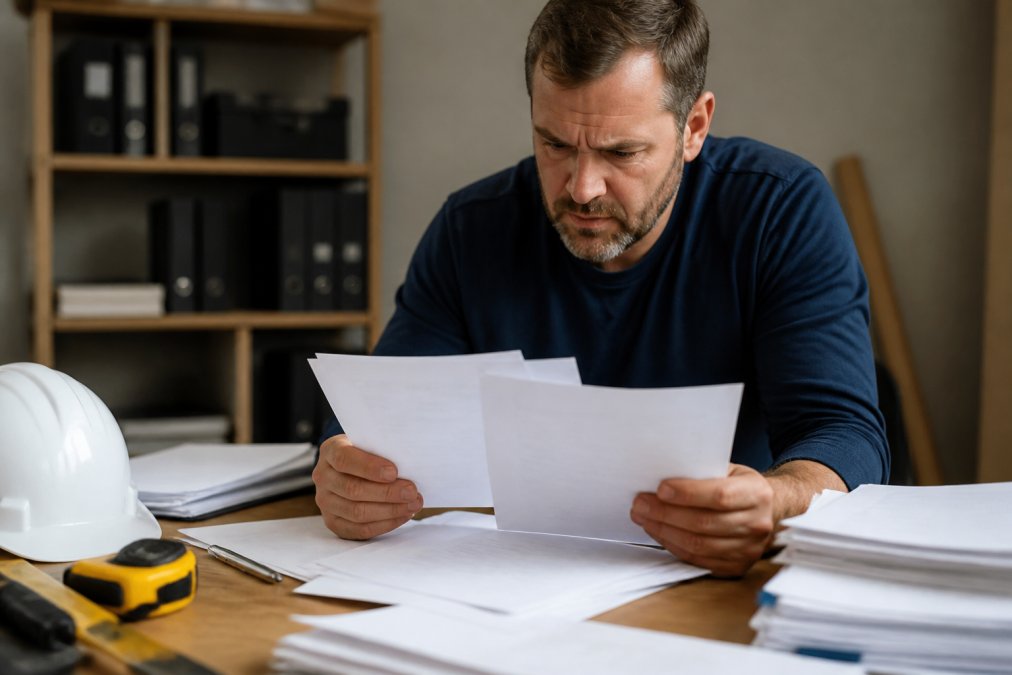
If a reference is reluctant to talk or gives only vague answers, that's a warning. A satisfied customer is usually happy to recommend a contractor. Hesitation or short answers suggest they're being diplomatic about a bad experience.
If multiple references mention similar issues, communication problems, quality concerns, or budget overruns, that's a pattern. One bad project might be an anomaly. Multiple references with the same complaint indicates a systemic problem.
If the contractor can't provide recent references or only provides references from years ago, be cautious. Current work quality is what matters. Old references might not reflect current practices.
If a reference mentions that the contractor disappeared or was hard to reach during the project, that's critical. This suggests the contractor takes on too much work or doesn't prioritize client communication. For major projects like pool construction or excavation work, consistent communication is essential.
If the reference had to hire someone else to fix problems the contractor created, that's a dealbreaker. This means the contractor either lacks competence or doesn't stand behind their work.
If the reference mentions that change orders kept appearing or the final cost was significantly higher than the estimate, that indicates dishonesty about pricing. Legitimate change orders happen, but they should be explained and agreed upon upfront.
If the reference says they've had ongoing problems since the project was completed, cracking concrete, drainage issues, settling, that suggests the contractor didn't do the work properly or used substandard materials.
Listen for language too. A satisfied customer will speak positively and specifically. Someone who's defending their choice will use qualifiers like "for the price" or "considering the circumstances." These suggest they're not entirely happy but are justifying their decision.
Common Mistakes to Avoid When Verifying References
The biggest mistake is not calling references at all. Some homeowners accept a reference list and assume that's enough. It's not. You have to actually call and ask questions.
Another common mistake is asking only softball questions. "Were you happy?" is too easy. A contractor who's mediocre at best will still get a "yes" to that question. Ask specific, detailed questions that require thoughtful answers.
Don't accept only the references the contractor provides. Ask if you can contact additional references or past clients they didn't list. A contractor confident in their work won't object to this.
Don't ignore red flags because the contractor seems nice or the price is good. A contractor's personality doesn't determine whether they'll complete your project on time and on budget. Verify construction references thoroughly and trust what you learn.
Don't skip the permit history search. This is free, objective verification that takes minimal time. It's one of the most underutilized resources available to homeowners in Chesterfield County.
Don't rush the process. Take time to call references, take notes, and review what you've learned before making a decision. A two-hour investment in reference verification can save you thousands of dollars and months of frustration.
Don't assume that licensing and insurance are enough. These are baseline requirements, not indicators of quality. Verify construction references thoroughly to get a complete picture of the contractor's actual performance.
Choosing the right contractor for your construction project is one of the most important decisions you'll make as a homeowner or property manager. When you're investing in major work, whether it's a custom outdoor living space, a decorative concrete installation, or critical site preparation, the contractor's track record matters enormously. Delpres Services LLC has built 20+ years of reputation by delivering projects on time, on budget, and with exceptional craftsmanship. We handle everything from excavation and underground utilities to decorative concrete and complete backyard transformations. When you're ready to move forward with a project, verify construction references thoroughly and then reach out to discuss how we can deliver the quality results your property deserves. Book a consultation with our team to see how we approach every project with transparency, accountability, and a commitment to doing it right the first time.
Frequently Asked Questions
How do I check if a contractor is licensed in Virginia?
Visit the Michigan Department of Licensing and Regulatory Affairs (LARA) website and use their contractor license lookup tool. You can search by contractor name, license number, or business name. Verify that the license is active and matches the scope of work you need. Always confirm the license status before hiring, as unlicensed contractors create liability issues and lack accountability.
What are the best construction reference check questions to ask?
Ask about timeline adherence, budget management, quality of workmanship, how the contractor handled unexpected issues, communication frequency, and whether they'd hire the contractor again. Request permission to visit completed projects if possible. Ask about specific challenges relevant to your project type. Avoid yes-no questions; ask open-ended questions that reveal how the contractor actually works.
What red flags should I watch for when verifying construction references?
Be cautious if references seem reluctant to discuss the contractor, mention incomplete projects, cost overruns, poor communication, or missing permits. If a contractor won't provide references, that's a major warning sign. Be skeptical of references that are family members or business partners. If multiple references mention similar problems, that's a pattern worth heeding.
Can I search building permit history for a contractor's past projects?
Yes. Contact your local building department or search their online permit database for completed projects. This confirms the contractor actually completed permitted work in your area and shows whether projects passed inspections. You can verify project dates, scope, and whether any violations occurred. This adds credibility to the contractor's claims and shows their compliance history.
This article was written using GrandRanker