 ultimate-guide
Hiring Infrastructure Project Managers: Skills, Questions & Best Practices
Table of Contents
- What to Look for When Hiring Infrastructure Project Managers
- Key Skills and Experience Requirements
- Questions to Ask Infrastructure Project Manager Candidates
- Infrastructure Project Management Best Practices to Evaluate
- Site Development Project Management Tools and Systems
- Where to Find Qualified Infrastructure Project Manager Candidates
- Compensation and Benefits for Infrastructure Project Managers
- Conclusion
Last Updated: August 24, 2026
What to Look for When Hiring Infrastructure Project Managers
The difference between a project that runs smoothly and one that hemorrhages time and money often comes down to a single person: the infrastructure project manager. This role sits at the intersection of technical knowledge, team coordination, and stakeholder communication. Infrastructure project managers in the Chesterfield area and across Michigan face unique demands, overseeing everything from underground utility installations and storm sewer construction to large-scale site preparation and commercial development. A missed permit deadline, miscalculation in site grading, or poor coordination with subcontractors can derail timelines and budgets fast.
The best candidates combine technical construction knowledge with proven project management discipline. They understand the work itself, what proper excavation looks like, how drainage systems function, what concrete specifications mean, and can manage the complexity of coordinating multiple trades, timelines, and regulatory requirements simultaneously.
Key Skills and Experience Requirements
When evaluating candidates for hiring infrastructure project managers, focus on three core competencies: technical construction knowledge, project management discipline, and leadership ability.
Technical Construction Knowledge
Your candidate needs hands-on understanding of the work. They've spent time on job sites, understand excavation equipment and capabilities, know concrete specifications, and can read blueprints and site plans. They should spot problems before they become expensive. Look for candidates who've worked as site supervisors, construction foremen, or assistant project managers before stepping into a full project management role.
A manager without this foundation will struggle to make decisions about site conditions, equipment selection, and scheduling, creating accountability gaps.
Project Management and Scheduling
Infrastructure projects operate on tight timelines with multiple interdependent tasks. Your candidate should demonstrate competency with scheduling software and understand critical path methodology. They need to know how to sequence work logically, you can't install water mains before the trench is dug and inspected, and identify which delays will impact the overall schedule.
Beyond software skills, look for someone who understands how to communicate timelines to crews, adjust when weather or site conditions change, and manage client expectations when delays occur.
Regulatory and Compliance Knowledge
Infrastructure work is heavily regulated. Your candidate needs familiarity with permit requirements, safety regulations, environmental compliance, and local codes. In the Chesterfield and greater Detroit area, this includes understanding Michigan's excavation permit requirements, storm water management regulations, and municipal inspection processes (michigan.gov).
The best candidates have managed the permitting process themselves and know which inspections are required at which stages, preventing costly surprises and keeping projects moving.
Leadership and Communication
Managing an infrastructure project means coordinating general contractors, subcontractors, equipment operators, inspectors, and clients simultaneously. Your candidate needs to be comfortable in a leadership role and communicate clearly in writing and verbally. Look for evidence of how they've handled conflict, as construction projects create competing priorities and resource constraints that require strong problem-solving.
Questions to Ask Infrastructure Project Manager Candidates
The right questions reveal not just what candidates know, but how they think and handle real challenges.
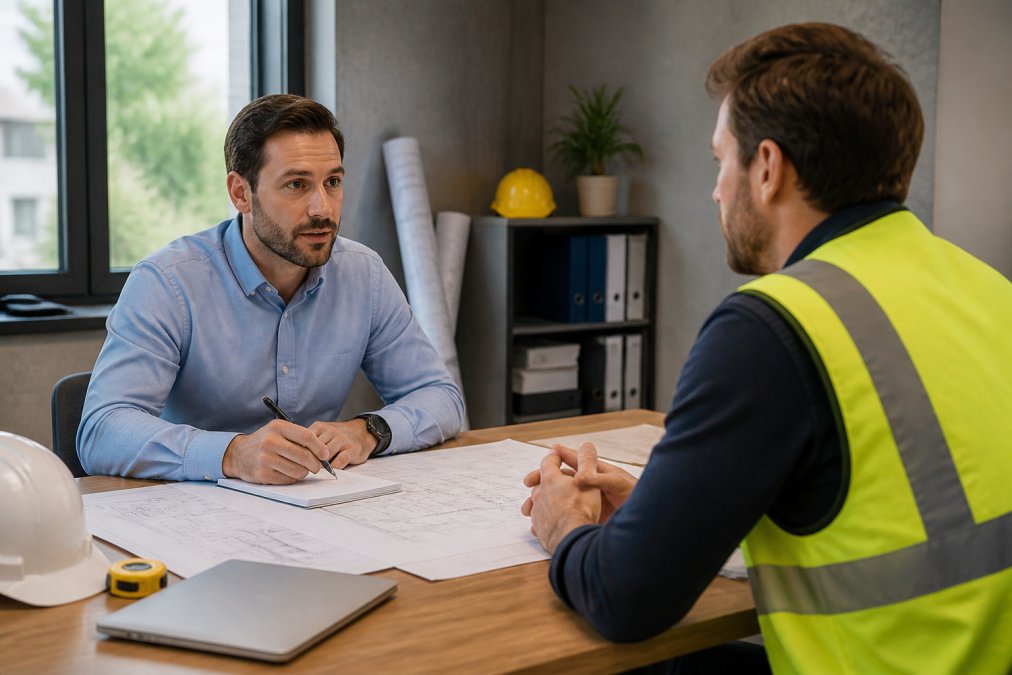
Technical and Scenario-Based Questions
Start with a concrete scenario: "Walk me through a project you've managed from start to finish. What were the major phases, and what was your role in each?" Listen for specifics, actual project types, dollar amounts, timelines, number of people managed.
Follow with a problem scenario: "You're on a site and the excavation crew has uncovered unexpected bedrock that wasn't shown in the soil boring report. The client's schedule is tight. What do you do?" A strong candidate will think through the steps: stop work, document findings, contact the engineer, notify the client, assess impact on timeline and budget, explore solutions.
Ask about permit and inspection experience: "Tell me about a time when a project failed an inspection. What was wrong, and how did you handle it?" This reveals whether they understand regulatory requirements and respond to setbacks by owning the problem and fixing it.
Project Management and Scheduling Questions
"What project management tools and software have you used, and which do you prefer?" Listen for familiarity with industry-standard tools like Procore, Touchplan, or Microsoft Project, and whether they can explain their preference based on actual use.
Ask about a scheduling challenge: "Describe a project where the schedule slipped. What caused it, and how did you recover?" Strong candidates identify root causes and explain what they learned.
Leadership and Problem-Solving Questions
"Tell me about a time when you disagreed with a contractor or supervisor about how something should be done. How did you handle it?" This reveals their conflict resolution style and whether they listen to other perspectives.
Ask about team building: "How do you build trust with the crews and subcontractors you work with?" A good candidate understands that respect is earned through fairness, follow-through, and clear communication.
Regulatory and Compliance Questions
"Walk me through the permit and inspection process for a project in our area. What permits are required, in what order, and what are the typical inspection points?" A candidate with local experience should answer confidently.
Ask about a compliance challenge: "Have you ever had to stop work because of a safety or regulatory issue? What was it, and how did you handle it?" This tests whether they prioritize compliance over schedule pressure.
Infrastructure Project Management Best Practices to Evaluate
Beyond individual skills, assess whether candidates understand and practice sound project management fundamentals.
Daily Coordination and Communication
Ask candidates how they structure their day and week. Do they hold daily toolbox meetings with crews? Do they walk the site daily? Do they maintain a daily log? A candidate who describes a structured daily routine demonstrates discipline.
Inquire about client communication: "How often do you communicate with clients, and what do you tell them?" Good practice includes regular written updates documenting progress, upcoming work, and any issues. This prevents surprises and builds confidence.
Change Order and Documentation Practices
Ask: "Walk me through how you'd handle a client request to do something not in the original scope." A strong answer includes clarifying the request, determining cost and schedule impact, getting written approval before proceeding, and documenting everything.
Quality Control and Inspection
How does your candidate ensure work meets specifications? A candidate who can describe quality standards and inspection procedures demonstrates competence. Ask about their approach to working with inspectors: "How do you prepare for inspections?" A strong candidate inspects their own work first, corrects problems before the official inspector arrives, and maintains good relationships with inspectors.
Safety Management
How does your candidate approach safety? Do they conduct safety briefings? Do they have a process for identifying and addressing hazards? Ask: "Describe your approach to safety on job sites." Listen for specifics like daily safety briefings and hazard identification processes.
Site Development Project Management Tools and Systems
Modern infrastructure project managers rely on digital tools for scheduling, communication, documentation, and financial tracking. When evaluating candidates, assess their familiarity with industry-standard tools like Procore, Touchplan, and Microsoft Project.
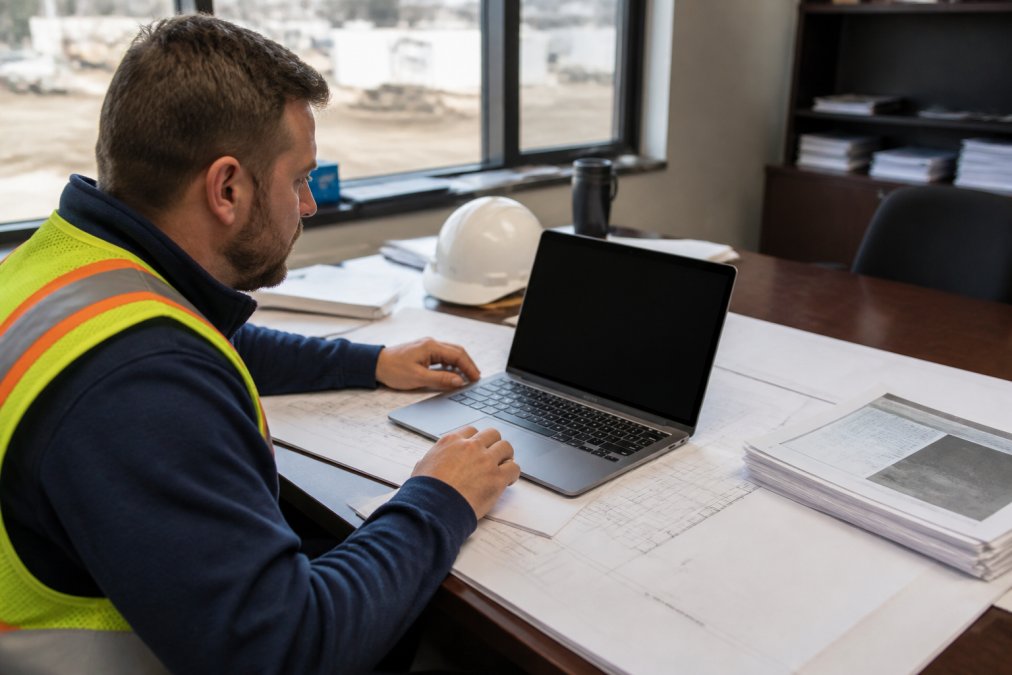
Don't assume a candidate must have used the exact tools your company uses; the principles transfer. What matters is whether they understand how to use digital systems to improve communication and reduce errors.
Ask candidates: "What tools have you used to track project progress, and what did you like or dislike about them?" Listen for whether they understand the purpose of different tools and their comfort with technology. Infrastructure projects increasingly use drones for site photography, GPS for grading verification, and sensors for equipment monitoring. A candidate curious about new tools demonstrates the mindset you need as technology evolves.
For companies managing multiple projects simultaneously, assess whether a candidate has balanced priorities across projects and ensured nothing fell through the cracks.
Where to Find Qualified Infrastructure Project Manager Candidates
Finding candidates with the right combination of technical knowledge and project management experience requires a multi-channel approach.
Industry Recruiters and Staffing Firms
Specialized construction and infrastructure recruiters understand the skill set you need and have relationships with qualified candidates. When working with recruiters, be specific about requirements and describe the type of projects, level of responsibility, and technical knowledge required.
Direct Recruitment from Competitors and Similar Firms
The candidates you want may be working for other contractors or engineering firms. Reaching out to their employees directly through LinkedIn or industry networks often yields the strongest candidates because you're targeting people with proven experience.
Industry Job Boards and Professional Organizations
Websites like AGC (Associated General Contractors), APWA (American Public Works Association), and construction-specific job boards attract candidates actively seeking roles in infrastructure and construction management. Professional organizations also offer networking opportunities at industry events in the Chesterfield and Detroit area.
Internal Promotion and Development
Developing project managers from within creates loyalty and ensures they understand your company's standards. Consider formal training programs like the Project Management Institute's CAPM or PMP certifications, or construction-specific programs like the AGC's Construction Management program (pmi.org).
University and Technical School Partnerships
Universities with construction management programs and technical schools can be sources of entry-level candidates. Pair them with mentorship from experienced managers to develop strong talent over time.
Compensation and Benefits for Infrastructure Project Managers
Candidates with 5-10 years of experience managing infrastructure projects typically expect compensation that reflects their value (bls.gov). Benefits packages often include health insurance, retirement plans, and performance bonuses tied to project outcomes.
Consider what makes your company attractive beyond salary. Do you offer professional development opportunities? Do you have a reputation for treating employees well? The best candidates have options and will choose based on total compensation, work environment, and growth potential.
When discussing compensation with candidates, be transparent about what you can offer. If competing against larger firms, emphasize other advantages like smaller project sizes allowing more autonomy, closer client relationships, or opportunities to lead multiple projects annually.
Hiring the right infrastructure project manager requires clarity about what you need and discipline in your evaluation process. The best candidates combine technical construction knowledge with proven project management discipline and strong leadership skills.
At Delpres Services, we understand that project success starts with the right management. Our team approach ensures one accountable manager from start to finish, providing transparent communication, detailed planning, and the multidisciplinary expertise to deliver projects safely and on schedule. When you're building your team, look for candidates who share that commitment to planning, accountability, and quality execution.
Book Consultation to discuss your project needs and how experienced infrastructure management can improve your outcomes.
Frequently Asked Questions
What are the key responsibilities of an infrastructure project manager?
Infrastructure project managers oversee site development, excavation, utility installation, and construction timelines from start to finish. They manage budgets, coordinate with contractors and subcontractors, handle permitting and compliance, track schedules, and ensure safety standards are met. They also communicate with clients, resolve issues, and deliver projects on time and within budget. For complex projects involving underground utilities or municipal work, they need deep knowledge of local regulations and technical requirements.
What certifications should an infrastructure project manager have?
Look for candidates with Project Management Professional (PMP) certification from the Project Management Institute, Certified Associate Project Manager (CAPM), or construction-specific certifications like the Certified Construction Manager (CCM). Many candidates also hold engineering degrees or have completed construction management programs. Local experience and knowledge of regional permitting requirements are equally valuable, especially for site development and underground utility projects.
How do you evaluate a project manager for underground utility projects?
Ask candidates about their experience with storm and sanitary sewer installation, water main construction, and utility coordination. Evaluate their understanding of local permitting requirements and safety regulations for excavation and underground work. Request references from previous utility projects and ask specific questions about how they've handled utility conflicts, coordination with municipal agencies, and safety compliance. Their ability to manage multiple trades and coordinate with utility companies is critical.
Why is local experience important when hiring infrastructure project managers?
Local experience means familiarity with regional permitting processes, soil conditions, utility layouts, and municipal requirements. Project managers who understand local regulations and have relationships with permit offices, inspectors, and utility companies can accelerate approvals and reduce costly delays. For site development and infrastructure work in specific areas, local knowledge directly impacts project timelines and compliance success.
This article was written using GrandRanker