 ultimate-guide
Commercial Parking Lot Paving Services in Detroit
Table of Contents
- What Commercial Parking Lot Paving Services Include
- Why Detroit Businesses Need Professional Parking Lot Installation
- Asphalt Maintenance Detroit: Extending Your Parking Lot's Lifespan
- ADA Compliance Parking Lot Requirements for Commercial Properties
- Commercial Parking Lot Sealcoating Michigan: Protection and Appearance
- Common Mistakes in Parking Lot Design and Installation
- How to Choose a Reliable Parking Lot Contractor
- Conclusion
Last Updated: August 18, 2026
What Commercial Parking Lot Paving Services Include
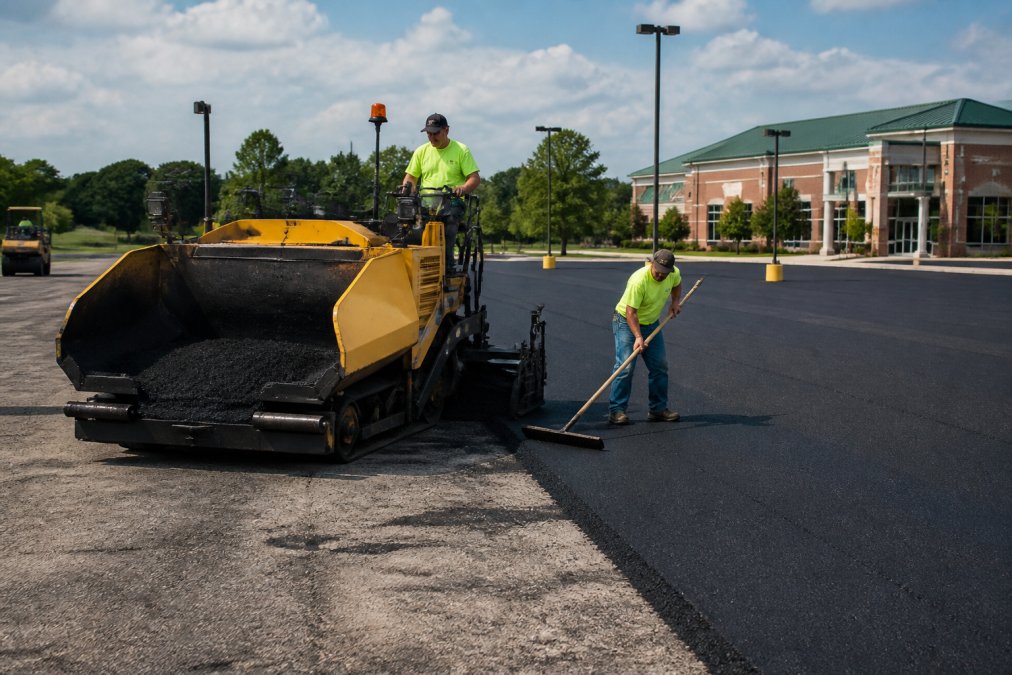
Commercial parking lot paving services encompass the full spectrum of asphalt installation, maintenance, and repair work that keeps business properties functional and visually professional. At Delpres Services LLC, we handle everything from initial site preparation through final striping, ensuring your parking lot meets both operational and aesthetic standards.
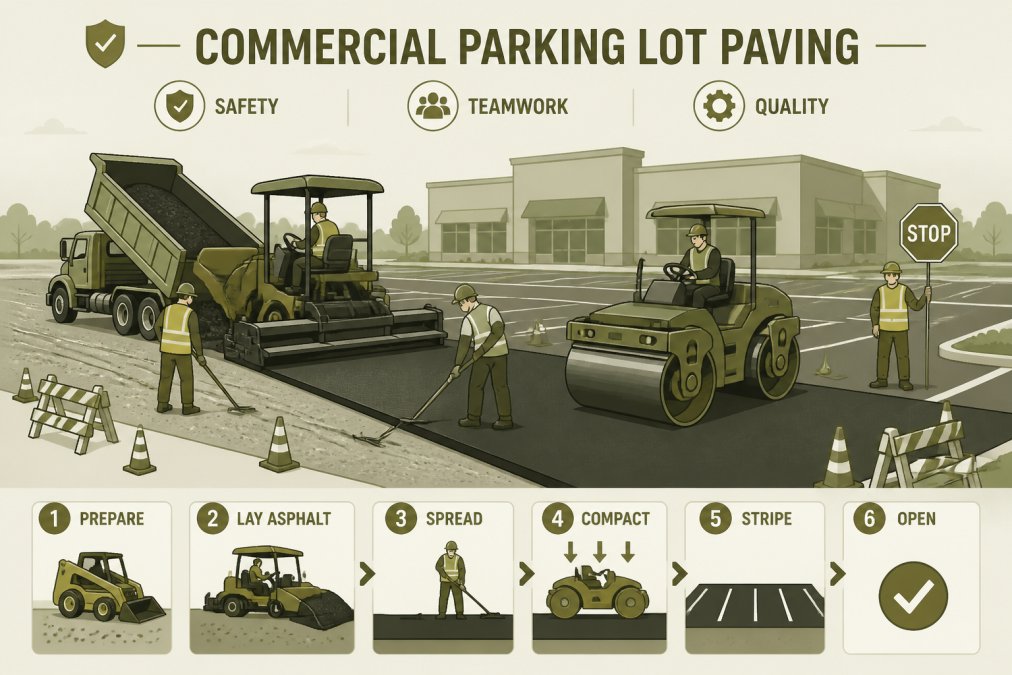
A complete parking lot paving project typically includes site grading and preparation, asphalt base installation, top-layer paving, parking space striping, and drainage solutions. The process begins with assessing existing conditions and removing old pavement if necessary. Professional crews then compact the subgrade, apply a base layer of asphalt, and finish with a smooth top layer designed to withstand vehicle traffic and weather exposure.
Beyond initial installation, parking lot paving services also cover crack sealing, pothole repair, sealcoating applications, and line restriping. These maintenance services extend pavement life and prevent water infiltration that leads to structural damage. Many commercial properties benefit from scheduled sealcoating every 2-3 years, which protects the asphalt surface from UV rays, oxidation, and moisture penetration.
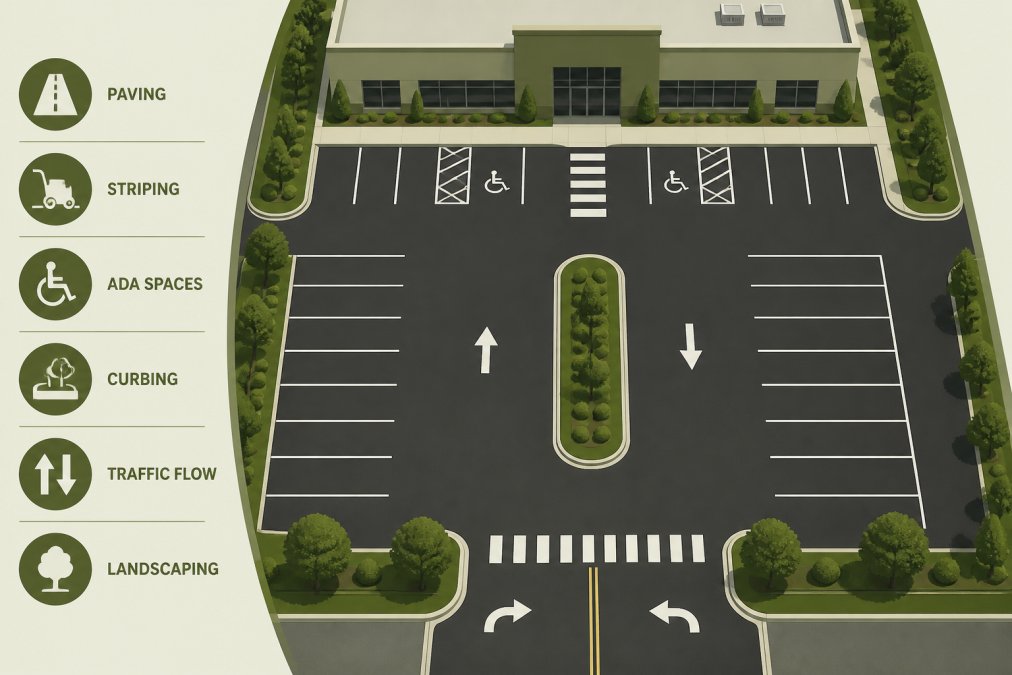
Drainage integration is a critical component often overlooked in basic paving quotes. Proper slope design and catch basin installation prevent standing water that accelerates pavement deterioration. Curbing and edging provide both functional containment and a finished appearance that enhances property value.
| Service Type | Purpose | Frequency |
|---|---|---|
| Asphalt paving | New installation or full replacement | One-time or every 15-20 years |
| Sealcoating | Surface protection and appearance | Every 2-3 years |
| Crack sealing | Prevent water infiltration | As needed, typically annually |
| Pothole repair | Address surface damage | As needed |
| Line striping | Safety and parking organization | Every 1-2 years |
| Drainage maintenance | Prevent water pooling | Annually |
Why Detroit Businesses Need Professional Parking Lot Installation
The Detroit area's climate presents unique challenges for pavement longevity. Freeze-thaw cycles, salt exposure, and heavy seasonal precipitation accelerate deterioration if parking lots aren't installed correctly from the start. A professionally installed lot resists these environmental stresses far better than amateur work.
Your parking lot is often the first impression customers have of your business. Cracked, poorly marked, or deteriorating asphalt signals neglect and can drive customers to competitors with well-maintained facilities. Beyond aesthetics, a properly paved lot reduces liability exposure by eliminating trip hazards and providing clear traffic flow that prevents accidents.
Professional installation ensures proper compaction, correct slope for drainage, and appropriate asphalt mix design for Michigan's climate. Contractors with local experience understand how freeze-thaw cycles affect pavement differently than in milder regions. They know which asphalt mixes perform best under these conditions and how to design drainage systems that handle spring snowmelt.
A well-maintained parking lot also improves property valuation and attracts quality tenants for commercial real estate. Lenders and appraisers factor pavement condition into property assessments. Professional installation and maintenance protect your investment and reduce long-term ownership costs.
Asphalt Maintenance Detroit: Extending Your Parking Lot's Lifespan
Asphalt maintenance in the Detroit region requires a proactive approach given the climate's demands. Sealcoating is the single most effective maintenance tool available to property managers. This protective layer shields asphalt from UV degradation, water penetration, and oxidation that cause premature failure.
Most commercial parking lots benefit from sealcoating every 2-3 years, though frequency depends on traffic volume and exposure. High-traffic areas may need more frequent application. A quality sealcoat application creates a dark, attractive surface that looks newly paved while extending the underlying asphalt's lifespan by years.
Crack sealing prevents water from infiltrating the asphalt base, where it causes expansion and further cracking during freeze-thaw cycles. Small cracks sealed early cost far less than allowing them to develop into potholes or widespread pavement failure. Spring is typically the ideal time for crack sealing and inspection after winter weather has exposed damage.
Pothole repair should never be postponed. Beyond the obvious safety and liability concerns, potholes trap water and expand with each freeze-thaw cycle. A pothole that's ignored for a season can grow into a section requiring full-depth patching or replacement. Professional repair involves removing damaged asphalt, preparing the base, and installing proper-grade patching material compacted to match surrounding pavement.
Drainage maintenance is equally critical. Catch basins and drainage channels should be cleared of debris regularly to prevent water pooling. Standing water accelerates pavement deterioration and creates safety hazards. Professional maintenance includes gutter cleaning and slope verification to ensure water moves away from the pavement surface.
ADA Compliance Parking Lot Requirements for Commercial Properties
ADA compliance parking lot requirements are not optional for commercial properties open to the public. The Americans with Disabilities Act mandates specific parking space dimensions, slope limits, and accessible route design that most property managers must understand.
Accessible parking spaces must be a minimum of 96 inches wide with an additional 60-inch access aisle. Spaces designated for van-accessible parking require 96-inch width plus an 96-inch aisle. These spaces must be located on the shortest accessible route to the building entrance. Slope limits are strict: parking spaces cannot exceed a 1:48 slope in any direction, and aisles cannot exceed 1:20 slope.
Surface conditions matter significantly for ADA compliance. Pavement must be smooth, stable, and slip-resistant. Cracks, potholes, and uneven surfaces create barriers for wheelchair users and can expose your property to liability claims. Professional paving contractors understand ADA requirements and design parking lots accordingly.
Accessible routes connecting parking to building entrances must also comply with ADA standards. This includes proper curb cuts with appropriate slope, smooth transitions, and tactile warnings where needed. Striping and signage must clearly identify accessible spaces and routes.
Many property managers assume existing lots meet ADA standards without verification. Periodic audits by professionals familiar with ADA requirements identify compliance gaps before they become legal problems. If your lot was installed before 2010 or has never been formally assessed, a compliance review is prudent.
Commercial Parking Lot Sealcoating Michigan: Protection and Appearance
Sealcoating is a preventive maintenance application that protects asphalt from environmental damage while dramatically improving appearance. In Michigan's climate, sealcoating is one of the most cost-effective investments a property manager can make for parking lot longevity.
The sealcoat creates a protective barrier against UV rays, which oxidize asphalt and make it brittle. It also prevents water penetration that leads to base erosion and pothole formation. High-quality sealcoat materials provide superior protection compared to lower-grade alternatives, though cost differences are modest relative to the value delivered.
Timing is critical for sealcoating application. The surface must be clean and dry, and temperatures must be above 50 degrees Fahrenheit with no rain expected for at least 24 hours after application. Spring and early fall typically offer ideal conditions in Michigan. Applying sealcoat in peak summer heat can cause improper curing, while cold weather prevents proper bonding.
Professional sealcoating involves thorough cleaning to remove dirt, debris, and vegetation. Cracks are sealed before sealcoat application. The sealcoat itself is applied in two thin coats rather than one thick coat, which ensures even coverage and proper curing. Proper application technique is essential; amateur work often results in uneven appearance and premature failure.
The aesthetic improvement is immediate and noticeable. A freshly sealed lot looks newly paved, which enhances curb appeal and reinforces professional image. For retail properties, restaurants, and office buildings, this visual upgrade supports customer perception and property value.
Common Mistakes in Parking Lot Design and Installation
Most parking lot failures trace back to design or installation decisions made years earlier. Understanding these mistakes helps you avoid costly problems when planning your own project.
Inadequate site preparation is perhaps the most common mistake. Rushing through grading and subgrade compaction creates a weak foundation that fails prematurely regardless of asphalt quality. Proper site prep requires removing unsuitable soils, achieving correct slope for drainage, and compacting the subgrade to specification. Skipping these steps saves money upfront but guarantees problems within a few years.
Insufficient drainage design causes standing water that accelerates pavement failure. Many contractors install asphalt without ensuring proper slope or adequate catch basin placement. Water that pools on the surface infiltrates cracks and causes base erosion. Correct drainage design is non-negotiable for long-term performance.
Using substandard asphalt mix for Michigan's climate is another frequent error. The freeze-thaw cycles require specific asphalt formulations and aggregate sizes. Budget asphalt designed for warmer climates performs poorly in Michigan winters. Specifying the correct mix upfront prevents premature failure.
Inadequate compaction of asphalt layers creates a weak structure that ravels and deteriorates rapidly. Professional equipment and trained operators are essential for proper compaction. Visual inspection alone cannot verify adequate compaction; density testing during installation ensures quality.
Neglecting to plan for future maintenance costs property managers significantly. Lots that receive no maintenance fail quickly, while those with regular sealcoating and crack sealing perform reliably for decades. Building maintenance into your budget prevents emergency repairs that disrupt operations.
How to Choose a Reliable Parking Lot Contractor
Selecting the right contractor determines whether your parking lot project succeeds or becomes a source of ongoing problems. Experience, local knowledge, and transparency separate reliable contractors from those who cut corners.
Start by verifying local experience. Contractors familiar with Detroit-area climate challenges understand freeze-thaw impacts and appropriate material specifications. Ask how many projects they've completed in your specific area and request references from similar properties. A contractor with 20+ years of local experience has seen how different approaches perform over time.
Check licensing and insurance thoroughly. Michigan contractors should carry proper licensing for their scope of work. Verify that they maintain adequate liability insurance and workers' compensation coverage. This protects you from liability if someone is injured on your property during the project.
Request detailed project proposals that specify materials, methods, timeline, and warranty terms. Vague proposals invite misunderstandings and cost overruns. A professional contractor provides clear, itemized quotes that explain what's included and what isn't. Be wary of proposals that are significantly lower than others, they often indicate corner-cutting that manifests as problems later.
Ask about the contractor's approach to permits and compliance. Professional contractors handle required permits and inspections rather than asking you to manage these details. They understand local codes and ADA requirements. If a contractor seems unfamiliar with compliance requirements, that's a red flag.
Verify warranty terms in writing. What does the contractor guarantee, and for how long? A reputable contractor stands behind their work with meaningful warranties. Understand what maintenance you're responsible for versus what the contractor covers.
Communication style matters significantly. A contractor who explains decisions clearly and responds promptly to questions is more likely to deliver a successful project. Poor communication often signals that problems will be difficult to resolve if they arise.
Check online reviews and ratings, but recognize that dissatisfied customers are more likely to leave reviews than satisfied ones. Look for patterns in feedback rather than isolated complaints. Multiple complaints about the same issue (delays, poor communication, incomplete work) indicate genuine problems.
Conclusion
Professional commercial parking lot paving services in Detroit require contractors who understand local climate challenges, ADA compliance requirements, and long-term maintenance planning. Delpres Services LLC brings 20+ years of hands-on expertise in designing and installing parking lots that perform reliably in Michigan's demanding environment. Our team handles everything from site preparation and asphalt installation to sealcoating and drainage solutions, ensuring your investment delivers durability and professional appearance. When you're ready to plan your parking lot project, book a consultation with our team to discuss your specific needs and explore how proper design and installation protect your property value for years to come.
Frequently Asked Questions
How often should a commercial parking lot be repaved in Michigan?
Most commercial parking lots last 15-20 years with proper maintenance. Asphalt in Michigan experiences significant stress from freeze-thaw cycles, which can accelerate wear. Regular sealcoating every 2-3 years and prompt crack repairs extend pavement life considerably. A professional assessment determines whether your lot needs resurfacing or full-depth reconstruction based on current condition and traffic patterns.
What are the common causes of asphalt failure in Detroit's climate?
Detroit's freeze-thaw cycles are the primary culprit. Water penetrates small cracks, expands when frozen, and breaks apart the asphalt surface. Salt used for de-icing accelerates deterioration and corrodes reinforcement. Heavy vehicle traffic, poor drainage, and deferred maintenance compound these issues. Professional sealcoating and timely repairs prevent water infiltration and significantly slow the damage cycle.
What is the difference between asphalt resurfacing and full-depth reconstruction?
Resurfacing applies a new asphalt layer over the existing base, suitable for lots with sound foundations but surface wear. Full-depth reconstruction removes all damaged material, addresses underlying drainage or base issues, and rebuilds from the ground up. Reconstruction costs more but solves structural problems and extends pavement life 15-20 years. A site inspection determines which approach fits your parking lot's condition and budget.
How do I comply with ADA parking requirements in Michigan?
Michigan follows the Americans with Disabilities Act (ADA) Accessibility Guidelines. Requirements include accessible parking spaces (typically 8 feet wide plus 5-foot access aisle), proper slope (1:48 maximum), firm and stable surfaces, and designated signage. The number of accessible spaces required depends on total parking spaces. Professional contractors familiar with local code ensure striping, markings, and surface conditions meet all ADA standards during new installation or renovation.
This article was written using GrandRanker