 ultimate-guide
Alternative Septic Systems for Rural Properties: 2026 Guide
Table of Contents
- Why Rural Properties Need Alternative Septic Systems
- Aerobic Treatment Units: How They Work and What They Cost
- Mound Systems for High Water Tables and Thin Soil
- Recirculating Sand Filters and Drip Distribution
- Composting Toilets and Lagoon Systems: Low-Tech Options
- The Septic System Permitting Process in Michigan
- How to Choose a Septic Contractor in Metro Detroit
- Conclusion: Matching the System to Your Property
- Frequently Asked Questions
Last Updated: September 24, 2026
Why Rural Properties Need Alternative Septic Systems
Alternative septic systems are engineered wastewater treatment options that replace or supplement a conventional tank-and-drainfield setup when soil, space, or water table conditions won't support one. For rural properties in Chesterfield and across Metro Detroit, they're often the only path to a legal, functioning system. This guide from Delpres Services LLC breaks down how each option works, what maintenance demands, and how to pick the right fit.
The reason so many rural lots can't use a conventional system comes down to physics. A traditional drainfield needs deep, permeable, well-drained soil to absorb effluent. Much of southeast Michigan has the opposite: heavy clay, seasonal high water tables, or a thin layer of topsoil sitting over dense subsoil. When a perc test fails, the county won't approve a standard system, and you're left choosing among engineered alternatives.
What most guides miss is that "alternative" doesn't mean "better." It means "designed for a specific constraint." The right system for a high water table is a poor choice for a sloped, wooded lot, and vice versa. Match the system to the site, not the other way around.
Aerobic Treatment Units: How They Work and What They Cost
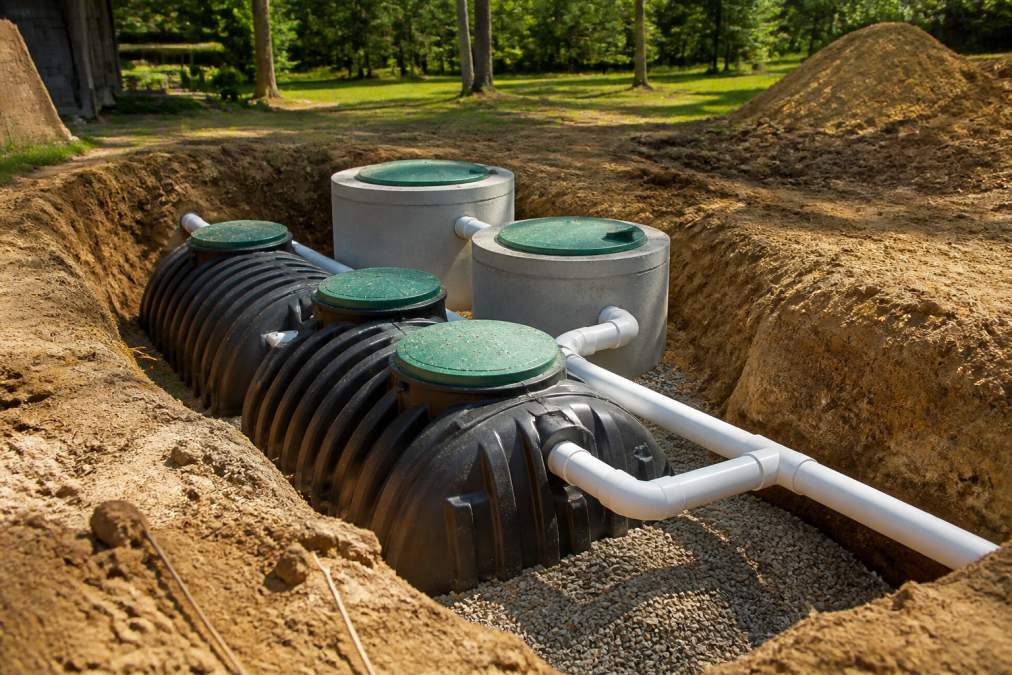
An Aerobic Treatment Unit (ATU) is a tank that injects oxygen into wastewater, feeding oxygen-loving bacteria that break down waste far faster than the anaerobic bacteria in a conventional tank. The result is cleaner effluent, which matters when it has to be dispersed into marginal soil.
According to the U.S. Environmental Protection Agency's guide to septic system types, aerobic units produce a higher-quality effluent than standard tanks, which is why they're approved for sites with high water tables or limited drainfield area. The trade-off is mechanical complexity: an air pump runs continuously, and if it fails, the system stops treating properly.
Aerobic Treatment Unit Maintenance Costs to Expect
Ongoing maintenance is the real cost driver with an ATU, not the install. Expect a service contract with quarterly or semi-annual inspections, air filter and pump checks, and periodic sludge removal. Because pricing varies by system size, local labor rates, and contract terms, get a written quote rather than relying on a national average. Budget for electricity too: the aerator runs around the clock. The thing nobody tells you about ATUs is that skipping a service visit doesn't just risk a failed inspection, it can void the manufacturer's warranty and trigger a costly repair.
Mound Systems for High Water Tables and Thin Soil
A mound system solves a specific problem: not enough separation between the bottom of the drainfield and the water table. Contractors build an engineered sand mound above the natural ground, raising the treatment zone above the seasonal high water table so effluent has room to be treated before it reaches groundwater.
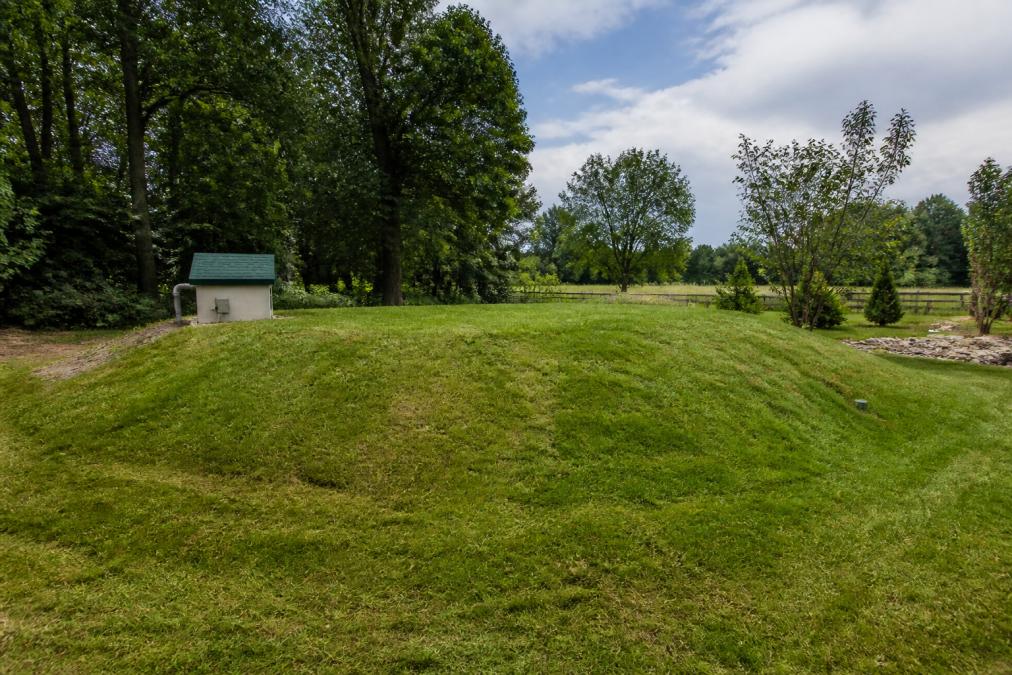
The EPA recognizes mound systems as a standard solution for sites with shallow soil or high groundwater. The catch is visual and mechanical. A mound is a prominent feature in the yard, and it relies on a pump to lift effluent into the distribution network. Pumps need power and periodic service. For a lot that would otherwise be unbuildable, though, a mound is often the difference between a permit and a denial.
Recirculating Sand Filters and Drip Distribution
Recirculating sand filters push wastewater through a sand bed multiple times before final dispersal, which strips out nitrogen and pathogens far more effectively than a single pass. They're the go-to choice for environmentally sensitive sites near lakes, streams, or wetlands, where clean effluent is non-negotiable.
Drip distribution takes a different approach. Instead of a large drainfield, it uses narrow tubing laid in shallow trenches to trickle treated wastewater evenly into the soil. The EPA notes that drip systems adapt well to irregular terrain and wooded lots because installation disturbs far less ground. The requirement is pre-treatment: effluent must be clean enough that it won't clog the small emitters, so drip is usually paired with an ATU or sand filter upstream.
Composting Toilets and Lagoon Systems: Low-Tech Options
Composting toilets are the lowest-tech, lowest-water option on this list. They decompose waste biologically with no water for transport, which cuts household water use and eliminates the need for a conventional tank on that waste stream. They suit off-grid cabins and rural homes willing to handle manual maintenance.
Lagoons work at the opposite end of the scale. A lagoon is a shallow, engineered pond that treats wastewater through sunlight, wind, and natural bacteria. They're cost-effective for large rural properties with ample acreage, but they demand space and careful management; a neglected lagoon can produce odors and draw regulatory attention. Neither option is a drop-in replacement for a full system, and both have siting rules that vary by jurisdiction.
| System | Best For | Maintenance Demand | Key Drawback |
|---|---|---|---|
| Aerobic Treatment Unit | High water tables, tight lots | High (service contract) | Needs continuous power |
| Mound System | Thin soil, high groundwater | Moderate (pump service) | Visually prominent |
| Recirculating Sand Filter | Sensitive areas near water | High (complex) | Costly to install |
| Drip Distribution | Sloped or wooded lots | Moderate | Requires pre-treatment |
| Composting Toilet | Off-grid, low-water homes | Manual | Hands-on waste handling |
| Lagoon | Large acreage, low percs | Low mechanical | Needs lots of land |
The Septic System Permitting Process in Michigan
Michigan handles septic permitting differently from most states, and that difference trips up a lot of rural homeowners. The state has no single statewide septic code; local health departments administer and enforce their own rules. That means the requirements in one county can differ from the next, and the only authority that matters for your project is the health department covering your parcel.
The process generally moves through a few stages: a site evaluation and soil borings to establish what the ground can handle, a permit application with a system design stamped by a qualified designer or engineer, review and approval by the local health department, installation by a licensed contractor, and a final inspection before the system can be covered. For anyone searching for a septic contractor near me, that final inspection step is where sloppy work gets exposed, which is why pulling the right permits up front matters.
Michigan Department of Environment, Great Lakes, and Energy septic resources
How to Choose a Septic Contractor in Metro Detroit
Choosing a septic contractor in Metro Detroit comes down to three things: local permitting knowledge, proper licensing, and a track record you can actually verify. Because permitting is county-by-county, a contractor who works regularly in your area will already know the local health department's expectations and avoid the delays that come from a rejected design.
Ask these questions before signing anything:
- Which local health department will permit this project, and have you worked in that jurisdiction?
- Who designs the system, and are they licensed to stamp plans in Michigan?
- Can you provide references from rural properties with similar soil and water table conditions?
- What does the maintenance contract cover, and what happens if the system fails inspection?
- Is the installer licensed and insured, and will you provide documentation?
The real difference between a contractor who disappears mid-project and one who finishes comes down to process. A firm that manages design, permitting, excavation, and installation under one roof has fewer handoff points where a project can stall. Delpres Services LLC brings 20+ years of hands-on expertise and full-scope project management including permits and compliance, so rural property owners aren't coordinating a designer, an excavator, and an installer separately.
Conclusion: Matching the System to Your Property
The challenge with rural septic isn't picking the most advanced system; it's picking the one your soil, water table, and local health department will actually approve. Get that match wrong and you're looking at failed inspections, rebuilds, and a system that never quite works.
Delpres Services LLC handles the full scope, from site evaluation and system design through permitting, excavation, and installation, with one accountable team from start to finish.
Frequently Asked Questions
What are the most common types of alternative septic systems?
The most common types include aerobic treatment units (ATUs), mound systems, recirculating sand filters, drip distribution, and composting toilets. Each suits different site conditions. ATUs work well where high water tables exist, while mound systems handle shallow soil. Drip distribution minimizes excavation on wooded or sloped lots. Your choice depends on soil depth, water table, lot size, and local regulations.
Are alternative septic systems more expensive to maintain in Michigan?
Yes, most alternative systems cost more to maintain than a traditional tank. Aerobic treatment units need electricity, regular inspections, and periodic pump replacement, so aerobic treatment unit maintenance costs run higher than basic septic pumping. Mound and sand filter systems also require professional service. Budget for annual inspections and factor in electricity use when comparing options.
Do alternative septic systems require special permits in Chesterfield?
Yes. In Michigan, you must obtain a permit from the local health department before installing any septic system, including alternatives. Chesterfield Township falls under the Macomb County Health Department, which reviews site plans, soil tests, and system design. The septic system permitting process in Michigan varies by county, so confirm requirements early. Delpres Services handles permits and compliance as part of full-scope project management.
How long do alternative septic systems typically last?
With proper maintenance, most alternative systems last 20 to 30 years, similar to traditional septic systems. Aerobic treatment units may need pumps and aerators replaced every 5 to 10 years. Sand filters and mound systems can last decades if the drainfield is not overloaded. Regular inspections and avoiding harsh chemicals extend the life of any system. Delpres Services can help you plan for long-term performance.