 listicle
Is Professional Project Management Worth It?
Table of Contents
- What Professional Project Management Actually Does
- Benefits of Professional Project Management
- Project Management Cost vs Value
- When Professional Project Management Pays Off
- Construction Project Management Best Practices
- Red Flags That Signal You Need Professional Help
- Making Your Decision: Is It Right for Your Project?
- Frequently Asked Questions
Last Updated: September 2, 2026
What Professional Project Management Actually Does
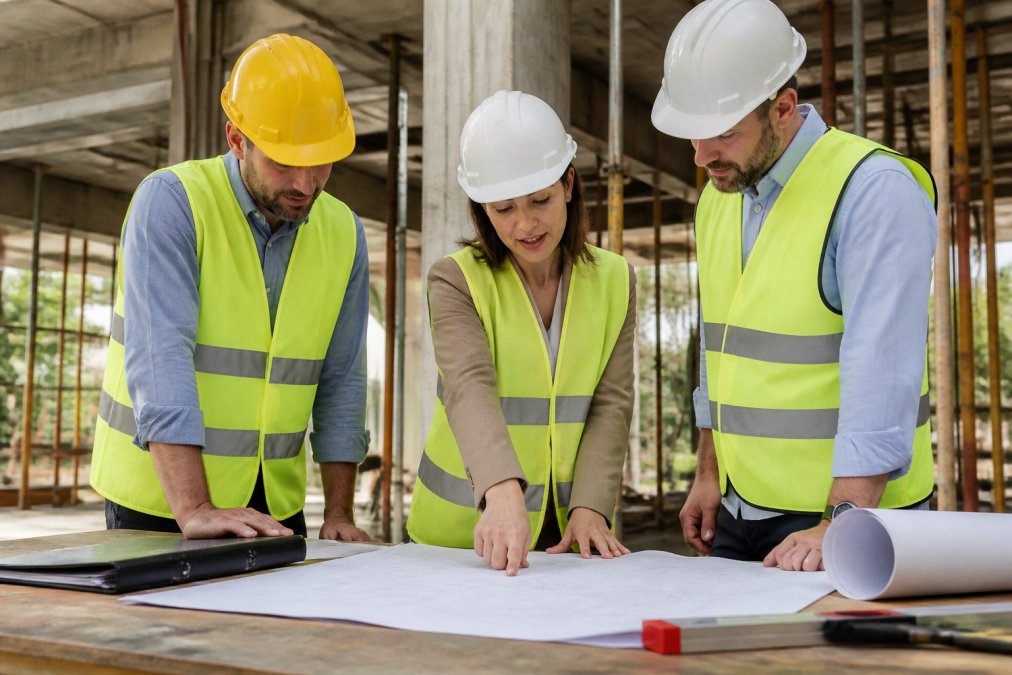
Professional project management is the systematic approach to planning, organizing, and controlling resources to deliver a specific outcome on time and within budget. At its core, it's about reducing chaos, preventing costly mistakes, and ensuring accountability from start to finish.
For construction projects in Chesterfield and the surrounding Metro Detroit area, this means having a dedicated person or team managing timelines, budgets, permits, subcontractors, and communication between all parties. It's not just about keeping things organized, it's about catching problems before they become expensive disasters.
The difference between a project that runs smoothly and one that spirals out of control often comes down to whether someone is actively managing it. Without professional oversight, scope creep happens. Timelines slip. Budgets balloon. Materials get ordered twice. Crews show up when they shouldn't. Permits get forgotten. That's where professional project management steps in.
Delpres Services LLC has spent over 20 years managing complex construction projects across residential, commercial, industrial, and municipal work. The team understands that professional project management isn't a luxury add-on, it's the foundation that determines whether a project succeeds or fails.
Benefits of Professional Project Management
Professional project management delivers concrete advantages that ripple through every phase of construction work. The most obvious benefit is timeline control. Without active management, delays cascade. A delayed permit pushes back material delivery, which delays crew scheduling, which delays the next phase. A project manager catches these bottlenecks early and adjusts before they become disasters.
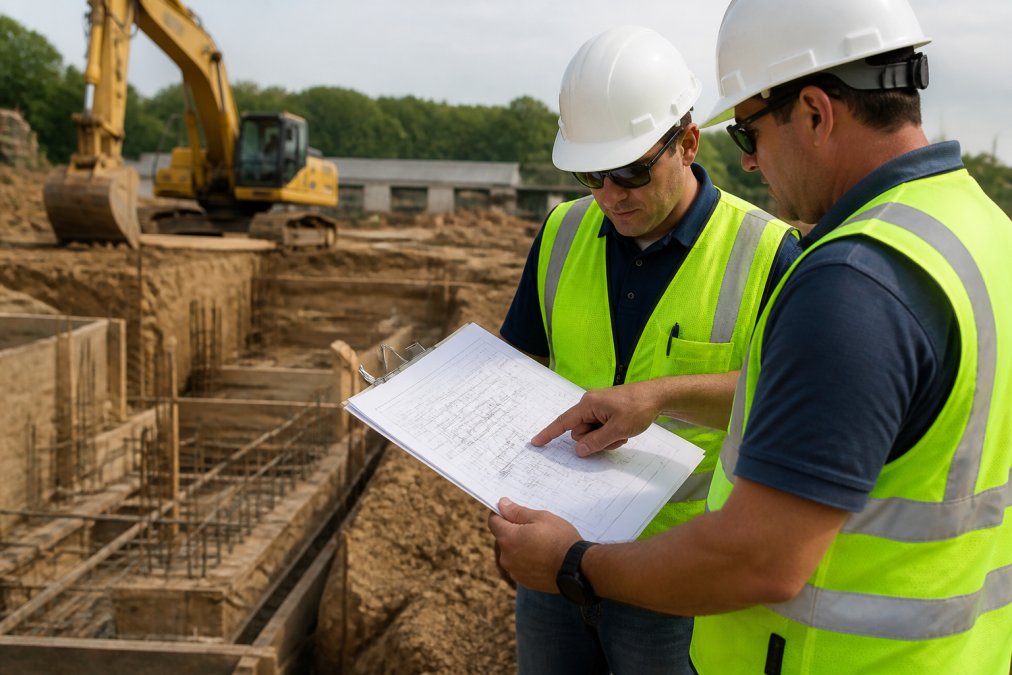
Budget management is equally critical. A professional tracks spending in real time, identifies cost overruns before they spiral, and makes informed decisions about where to cut or reallocate resources. Without this oversight, you discover you're 20% over budget halfway through the project, too late to fix it properly.
Communication is another major advantage. Construction projects involve multiple trades, suppliers, inspectors, and decision-makers. A project manager acts as the central hub, ensuring everyone has the information they need when they need it. This prevents the costly mistakes that happen when the electrician doesn't know the plumber is running lines through the same wall.
Quality control is embedded into professional project management. Regular inspections, documentation, and adherence to specifications mean problems get caught early. Fixing a foundation issue during construction costs far less than discovering it after the building is complete.
Compliance and permitting represent another critical benefit. Construction in Chesterfield and Metro Detroit requires navigating local codes, permits, inspections, and regulatory requirements. A project manager handles this systematically, ensuring nothing gets missed. The cost of a single missed inspection or code violation can exceed thousands in rework.
Risk management is less visible but equally valuable. Professional project managers anticipate problems, weather delays, material shortages, labor availability, site conditions, and build contingency into the plan. This reduces surprises and keeps projects moving forward predictably.
Project Management Cost vs Value
The fundamental question is whether the cost of professional project management justifies itself. This depends entirely on your project's complexity, size, and budget.
For small, straightforward projects, a simple driveway replacement or a basic patio, professional project management may add unnecessary cost. These projects are straightforward enough that a general contractor can manage them without dedicated oversight.
For anything larger or more complex, professional project management becomes economically rational. A commercial parking lot project, underground utility installation, or multi-phase residential development involves enough moving parts that professional coordination pays for itself. The cost of a single major delay or budget overrun typically exceeds the entire cost of professional project management.
Consider the math: if professional project management costs 5-10% of your total project budget, but prevents a 15% cost overrun or a three-month delay, you've made money (pmi.org). Most projects of meaningful complexity will see ROI on professional management within the first month of avoiding a major problem.
The real cost of not having professional project management is hidden. It shows up as rework, as crews sitting idle waiting for decisions, as materials ordered twice, as inspections failed and redone. These costs accumulate quickly and invisibly until the project is over budget and behind schedule.
When Professional Project Management Pays Off
Professional project management makes sense when your project meets certain criteria. First, complexity: if your project involves multiple trades, phases, or moving parts, professional management becomes essential. A simple concrete pour doesn't need it. A project requiring excavation, underground utilities, foundation work, and building construction absolutely does.
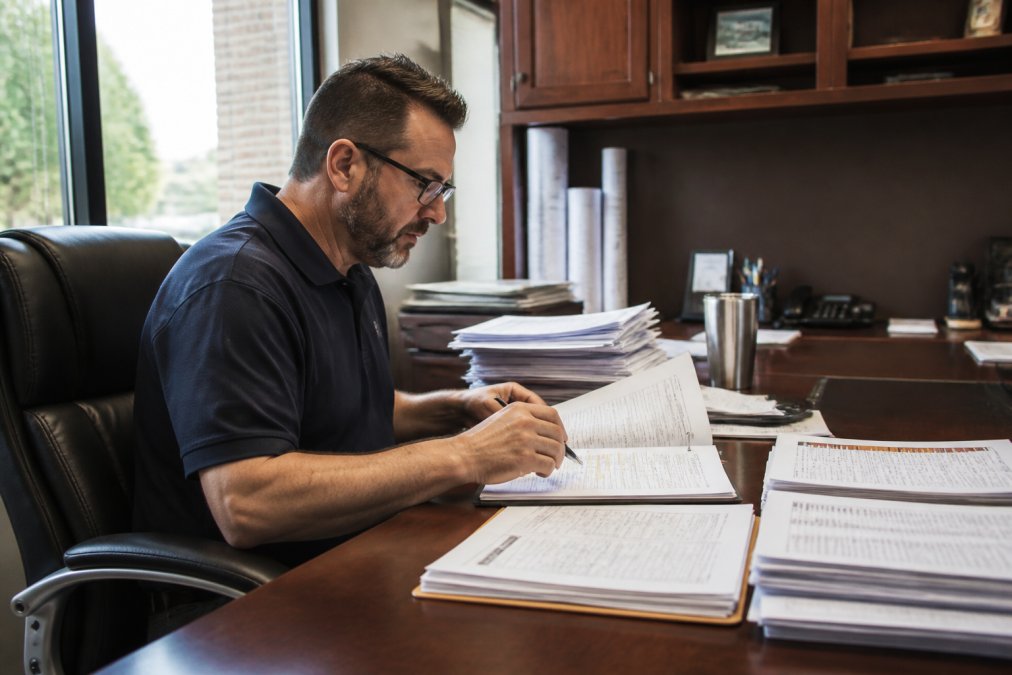
Second, budget size: the larger your project budget, the more sense professional management makes. A project with a budget under $50,000 might not warrant dedicated project management (pmi.org). A project with a budget over $500,000 absolutely should have it (pmi.org).
Third, timeline criticality: if your project has a hard deadline, a business that needs to open by a specific date, a seasonal window for construction, regulatory deadlines, professional management becomes critical. These constraints leave no room for delays, and professional oversight prevents them.
Fourth, stakeholder coordination: if your project involves multiple decision-makers, owners, or parties with competing interests, professional management becomes the neutral coordinator that keeps everyone aligned. This applies to HOA projects, municipal work, and complex commercial developments in Chesterfield and throughout Metro Detroit.
Fifth, regulatory complexity: if your project requires permits, inspections, compliance with local codes, or coordination with municipal agencies, professional project management handles this systematically. Construction in Chesterfield requires navigating local requirements, and a project manager ensures nothing gets missed.
Delpres Services LLC brings this expertise to every project, managing the full scope from permits through completion. The team's 20+ years in the field means understanding exactly which corners can't be cut and which timelines are realistic.
Construction Project Management Best Practices
Effective project management follows proven practices that work across project types. First, detailed planning before work begins. This means site surveys, material specifications, crew schedules, and contingency planning. Projects that start without clear planning almost always run over budget and schedule.
Second, clear communication protocols. Every stakeholder, owner, contractors, suppliers, inspectors, needs to know who to contact, how to report issues, and what the current status is. Regular meetings and written updates prevent misunderstandings that lead to rework.
Third, documentation of everything. Every change order, every inspection result, every decision gets recorded. This protects everyone and provides clarity if disputes arise. It also helps future projects learn from what worked and what didn't.
Fourth, proactive problem identification. Rather than waiting for problems to surface, good project managers walk the site regularly, review progress against schedule, track spending against budget, and identify issues early when they're cheap to fix.
Fifth, change management discipline. Construction projects always encounter unexpected conditions or requested changes. Professional project management evaluates each change for cost and schedule impact, documents it, and gets approval before proceeding. This prevents scope creep from silently inflating budgets.
Sixth, quality verification. Regular inspections ensure work meets specifications. Catching quality issues during construction is far cheaper than discovering them after completion.
Red Flags That Signal You Need Professional Help
Certain warning signs indicate you absolutely need professional project management. If you're coordinating multiple subcontractors with different schedules and work sequences, you need professional oversight. Miscommunication between trades leads to expensive rework.
If your project requires permits and inspections, you need someone managing that process systematically. Missing an inspection deadline or failing to get required approvals can halt a project entirely.
If your project involves underground work, utilities, drainage, foundations, you need professional coordination. These elements require precision and sequencing. Mistakes here are expensive and dangerous.
If you're managing a project while running your business, you need professional help. Divided attention leads to missed details and delayed decisions that compound into larger problems.
If you've had bad experiences with contractors before, projects that went over budget, missed deadlines, or delivered poor quality, professional project management is the safeguard. It provides accountability and oversight that prevents these problems from repeating.
If you're uncomfortable with construction terminology, timelines, or decision-making, professional project management translates complexity into clear options and recommendations. This is especially valuable for first-time project owners in Chesterfield undertaking major renovations or new construction.
Making Your Decision: Is It Right for Your Project?
Deciding whether professional project management is worth it requires honest assessment of your project's characteristics. Ask yourself: How complex is this project? How large is the budget? How critical is the timeline? How many parties are involved? How much do I understand about construction?
| Project Characteristic | Simple/Small Projects | Medium Projects | Complex/Large Projects |
|---|---|---|---|
| Timeline Risk | Low, delays cost little | Medium, delays impact operations | High, delays cascade through phases |
| Budget Risk | Low, overruns are modest | Medium, 5-15% overruns likely | High, 20%+ overruns common without management |
| Coordination Complexity | 1-2 trades, straightforward | 3-5 trades, multiple phases | 5+ trades, multiple stakeholders, permits |
| Professional Management Need | Optional | Recommended | Essential |
For straightforward projects, a driveway replacement, a simple concrete pad, basic exterior work, you may not need professional project management. Your contractor can handle coordination.
For anything more complex, an underground utility project, a parking lot renovation, a custom outdoor living space with multiple components, professional project management becomes economically rational. The cost is low relative to the project budget, and the risk reduction is substantial.
For large, complex projects, commercial developments, municipal infrastructure, multi-phase residential work, professional project management is non-negotiable. The complexity and budget size make it essential.
The real question isn't whether professional project management is worth it in theory. It's whether your specific project has enough complexity, budget, or timeline risk that professional oversight prevents problems costing more than the management itself.
For homeowners, business owners, and property managers in Chesterfield considering major construction work, the answer is usually yes. Professional project management from a team like Delpres Services LLC, with 20+ years managing construction across residential, commercial, industrial, and municipal projects, provides the accountability, expertise, and oversight that prevents costly mistakes. The investment pays for itself the first time it prevents a major delay, catches a quality issue before it becomes expensive, or navigates permitting and compliance correctly the first time.
Professional project management transforms construction from a series of disconnected tasks into a coordinated, controlled process. For complex projects in Metro Detroit, this coordination is what separates successful projects from ones that drain budgets and test patience. Delpres Services LLC has built its reputation on exactly this, delivering projects on schedule, on budget, and to specification through disciplined project management, transparent communication, and accountability from start to finish. If your project involves excavation, utilities, concrete work, paving, or custom outdoor spaces, professional management ensures it gets done right. Book a consultation to discuss your project and see how professional project management can deliver the results you need.
Frequently Asked Questions
What are the main benefits of hiring a professional project manager for construction work?
Professional project managers bring structured oversight that prevents costly delays and scope creep. They manage timelines, coordinate subcontractors, handle permits and compliance, and maintain budget control. For complex projects like site development or pool construction, their coordination saves money by preventing rework and ensuring work sequences happen in the right order. They also serve as a single point of accountability, which reduces miscommunication between you and the construction team.
How does professional project management impact construction project timelines?
Professional managers use scheduling methods to identify critical tasks and dependencies, preventing bottlenecks that delay projects. They monitor progress daily, catch issues early, and adjust resources when problems arise. This proactive approach typically prevents the common scenario where projects stall waiting for permits, materials, or subcontractor availability. Homeowners and business owners often see projects complete closer to the original timeline when professional oversight is in place.
Is professional project management worth the cost for smaller residential projects?
For smaller projects like driveway replacement or basic concrete work, professional management may add unnecessary overhead. However, if your project involves multiple trades, underground utilities, or permit requirements, professional coordination quickly pays for itself by avoiding expensive mistakes. The decision depends on project complexity and your comfort managing contractors. A consultation with an experienced team can help you determine if oversight makes financial sense for your specific work.
How does professional project management reduce risk and prevent budget overruns?
Professional managers establish detailed budgets upfront, track spending against estimates, and flag cost increases before they spiral. They identify risks early, such as soil conditions that might require additional excavation or permit delays that could push timelines. By controlling scope, preventing rework, and managing change orders carefully, they keep projects from the common budget-creep scenario. Transparent cost tracking throughout the project prevents the surprise invoices that often blindside property owners.
This article was written using GrandRanker
Frequently Asked Questions
What are the main benefits of hiring a professional project manager for construction work?
Professional project managers bring structured oversight that prevents costly delays and scope creep. They manage timelines, coordinate subcontractors, handle permits and compliance, and maintain budget control. For complex projects like site development or pool construction, their coordination saves money by preventing rework and ensuring work sequences happen in the right order. They also serve as a single point of accountability, which reduces miscommunication between you and the construction team.
How does professional project management impact construction project timelines?
Professional managers use scheduling methods to identify critical tasks and dependencies, preventing bottlenecks that delay projects. They monitor progress daily, catch issues early, and adjust resources when problems arise. This proactive approach typically prevents the common scenario where projects stall waiting for permits, materials, or subcontractor availability. Homeowners and business owners often see projects complete closer to the original timeline when professional oversight is in place.
Is professional project management worth the cost for smaller residential projects?
For smaller projects like driveway replacement or basic concrete work, professional management may add unnecessary overhead. However, if your project involves multiple trades, underground utilities, or permit requirements, professional coordination quickly pays for itself by avoiding expensive mistakes. The decision depends on project complexity and your comfort managing contractors. A consultation with an experienced team can help you determine if oversight makes financial sense for your specific work.
How does professional project management reduce risk and prevent budget overruns?
Professional managers establish detailed budgets upfront, track spending against estimates, and flag cost increases before they spiral. They identify risks early, such as soil conditions that might require additional excavation or permit delays that could push timelines. By controlling scope, preventing rework, and managing change orders carefully, they keep projects from the common budget-creep scenario. Transparent cost tracking throughout the project prevents the surprise invoices that often blindside property owners.