 listicle
Benefits of Hiring a General Construction Contractor
Table of Contents
- Why Hire a General Construction Contractor
- Single Point of Accountability and Project Coordination
- Construction Project Management Best Practices
- Hiring Licensed Construction Contractors in Michigan
- Cost Benefits of Professional Site Development
- Safety, Compliance, and Risk Management
- Access to Specialized Equipment and Skilled Labor
- Conclusion
Last Updated: August 23, 2026
Why Hire a General Construction Contractor
Hiring a general construction contractor isn't just about getting the work done, it's about getting it done right the first time. A general construction contractor manages every aspect of your project, from initial planning through final completion, which fundamentally changes how construction projects unfold. Whether you're building a custom outdoor living space in Chesterfield, developing commercial property, or managing municipal infrastructure, the decision to bring in a general construction contractor determines whether your project stays on track or becomes a costly headache.
The real value isn't in any single service. It's in the coordination, accountability, and expertise that comes from having one team responsible for the entire scope. Too many property owners try to juggle multiple subcontractors independently, thinking they'll save money. What actually happens is delays compound, communication breaks down, and costs balloon because nobody owns the final outcome. A general construction contractor eliminates that problem by design.
Single Point of Accountability and Project Coordination
When you hire a general construction contractor, you get one person or team responsible for delivering the entire project. This sounds simple, but it changes everything about how a construction project actually operates.
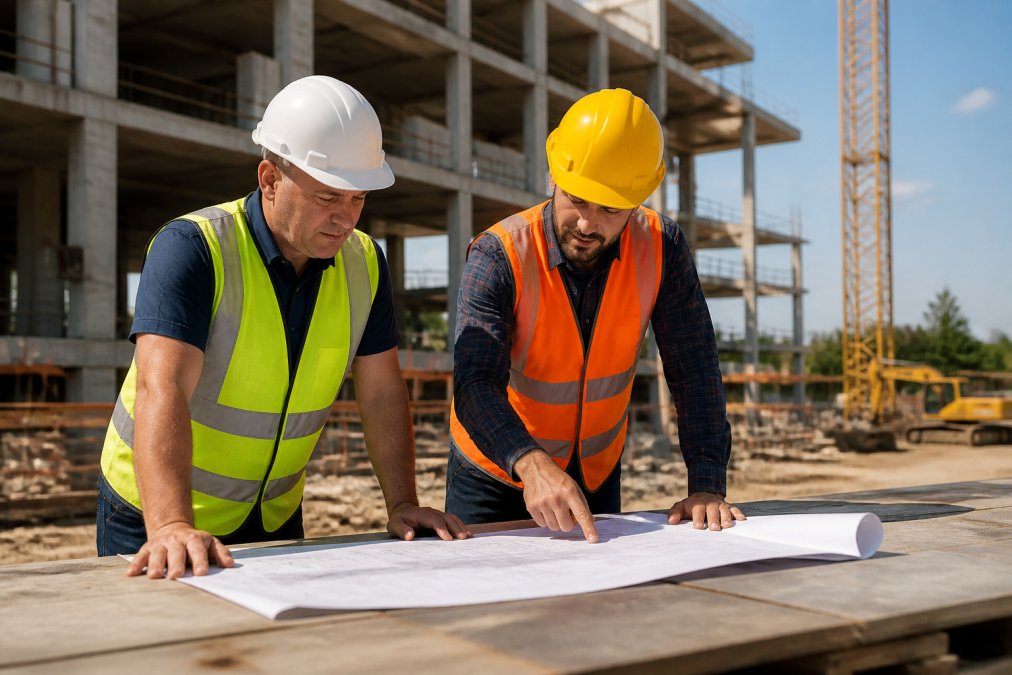
A general construction contractor coordinates all the moving pieces: site preparation, utility installation, concrete work, excavation, and finishing. They schedule subcontractors, manage material delivery, handle permits and inspections, and solve problems before they become expensive. In Chesterfield and the surrounding Metro Detroit area, where residential and commercial projects often involve complex site conditions, drainage requirements, and local regulatory compliance, this coordination is invaluable.
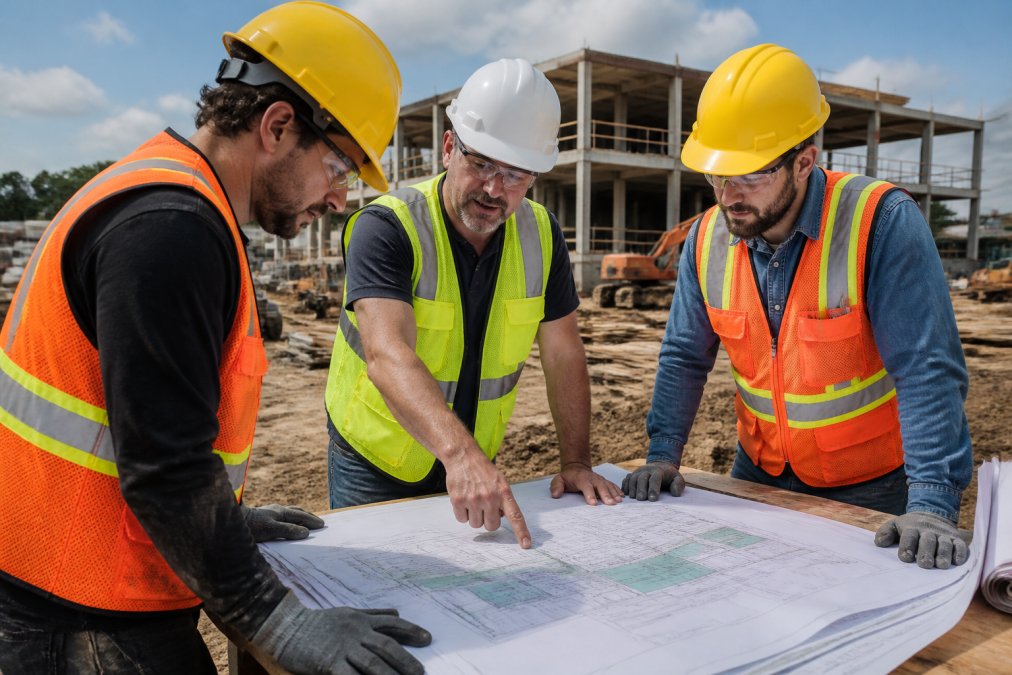
Without a general construction contractor, you're managing that coordination yourself. You're calling the excavation crew, waiting for them to finish, then calling the concrete team, hoping they show up when promised. One delay cascades into the next. A general construction contractor has established relationships with subcontractors, knows their timelines, and can keep work flowing smoothly. They also have the authority to hold subcontractors accountable, something you can't do as effectively when you're just a property owner calling around trying to manage independent crews.
The accountability piece matters more than most people realize. When something goes wrong on your project, a general construction contractor owns it. They're responsible for fixing problems, managing warranty claims, and ensuring the work meets code and specification. That's fundamentally different from having multiple contractors pointing fingers at each other while you're stuck in the middle trying to figure out who's actually responsible.
For homeowners in Chesterfield planning a major backyard renovation or pool installation, this accountability is essential. You want one team you can hold responsible for the entire outcome, not a collection of independent contractors with no obligation to coordinate with each other. A general construction contractor provides that single point of contact and responsibility.
Construction Project Management Best Practices
Professional construction project management follows established practices that keep projects on schedule and within budget. These aren't optional, they're the difference between a project that runs smoothly and one that spirals into chaos.
The core practices include detailed planning before work begins, regular progress tracking, documented communication, change order management, and proactive problem-solving. A general construction contractor uses these practices as standard operating procedure. They create a detailed project schedule, track daily progress against that schedule, document all decisions and changes, and communicate regularly with all stakeholders.
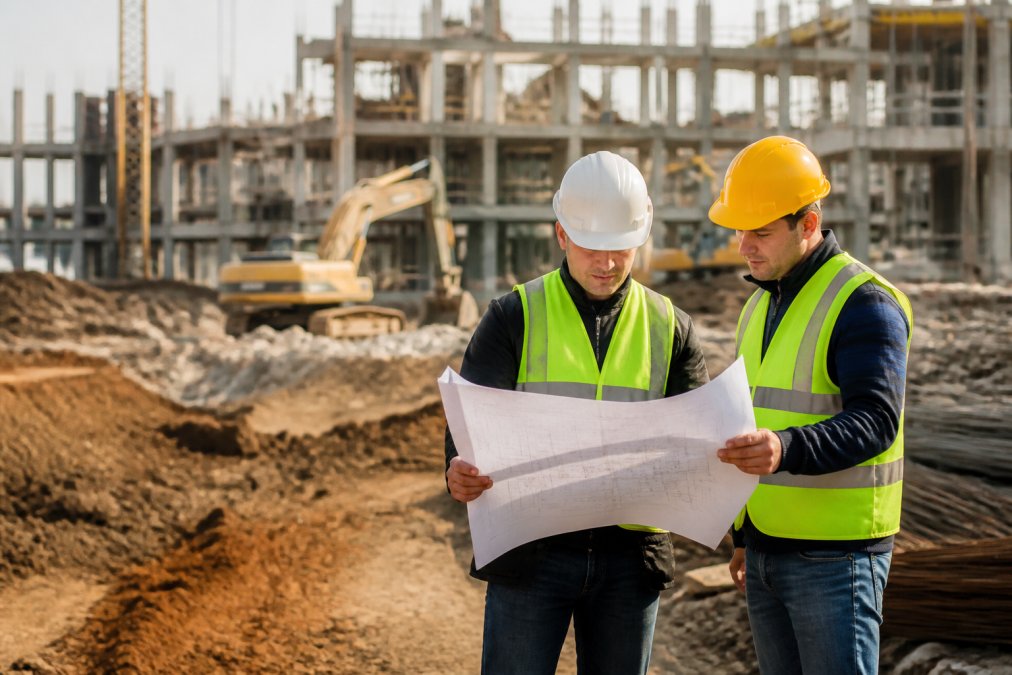
Many property owners don't realize how much of a construction project's success depends on what happens before the first shovel hits the ground. Site surveys, utility locates, permit applications, and soil testing all happen during the planning phase. A general construction contractor handles these tasks systematically. They know which inspections are required at which stages, which permits need to be pulled, and how to coordinate with municipal authorities in Chesterfield and surrounding areas.
Change orders are a critical part of professional project management. During construction, unexpected conditions often emerge, soil composition changes, utilities are in different locations than expected, or the property owner wants to modify the scope. A general construction contractor manages these changes formally, documenting what changed, why, and how it affects cost and timeline. This prevents the common problem where small changes accumulate into major budget overruns that nobody can explain.
Regular communication and documentation keep everyone aligned. A professional contractor provides progress updates, shares photos of work completed, addresses questions promptly, and keeps detailed records of all work performed. This transparency builds confidence and prevents misunderstandings about what was actually done or agreed to.
Hiring Licensed Construction Contractors in Michigan
Michigan requires construction contractors to be licensed, and that licensing requirement exists for good reason (michigan.gov). A licensed contractor in Michigan has met specific education and experience requirements, carries proper insurance, and is subject to regulatory oversight.
When you hire a general construction contractor, verify their license with the Michigan Department of Licensing and Regulatory Affairs. A legitimate contractor can provide their license number, proof of insurance, and references from completed projects. This verification step protects you by ensuring the contractor has demonstrated competence and carries insurance that covers their work.
Licensed contractors in Michigan are also required to follow state construction codes and local municipal requirements. In Chesterfield, your general construction contractor must comply with local zoning regulations, building codes, and any specific requirements from the township or county. An experienced contractor knows these requirements and builds compliance into their project planning. They pull the necessary permits, schedule required inspections, and ensure all work meets code standards.
The licensing requirement also means you have recourse if something goes wrong. Licensed contractors are subject to complaint procedures and regulatory action if they fail to meet professional standards. This gives you protection that you don't have when hiring unlicensed crews working under the table.
Many property owners ask about the cost difference between licensed and unlicensed contractors. Licensed contractors typically cost more because they carry insurance, maintain proper licensing, and follow regulatory requirements. But that cost difference is insurance against the much larger problems that emerge when unlicensed contractors cut corners, skip inspections, or disappear when problems arise.
Cost Benefits of Professional Site Development
Professional site development costs more upfront but delivers measurable cost benefits over the project lifecycle. This is where many property owners make poor decisions by choosing the cheapest option without understanding the total cost picture.
When a general construction contractor manages site development professionally, they optimize the work to minimize waste and rework. They plan excavation efficiently to avoid unnecessary material movement. They coordinate utility installation to prevent conflicts that require expensive corrections. They manage drainage properly the first time so you don't face water problems years later. These efficiencies cost more to plan but save significantly in execution.
The cost of doing site work wrong is substantial. Poor grading creates drainage problems that damage foundations and landscaping. Utility installation mistakes require expensive corrections or create safety hazards. Inadequate site preparation leads to foundation issues or pavement failure. A general construction contractor prevents these problems through professional planning and execution, which ultimately costs less than fixing problems after they occur.
For commercial property developers in the Metro Detroit area, professional site development is essential for project success and tenant satisfaction. A well-developed site with proper drainage, adequate parking, and professional landscaping attracts better tenants and commands higher lease rates. A poorly developed site creates ongoing maintenance problems and tenant complaints. The cost of professional development is recovered through better property performance.
Homeowners planning outdoor living spaces benefit similarly. A professionally developed backyard with proper grading, drainage, and site preparation creates a space that functions well and looks good for years. A poorly prepared site leads to water pooling, settling, and ongoing maintenance headaches. The initial investment in professional site development pays dividends through years of trouble-free use.
Safety, Compliance, and Risk Management
Construction work involves genuine hazards. A general construction contractor manages these hazards systematically through safety protocols, worker training, and compliance with Occupational Safety and Health Administration (OSHA) standards. This protects workers, protects your property, and protects you from liability.
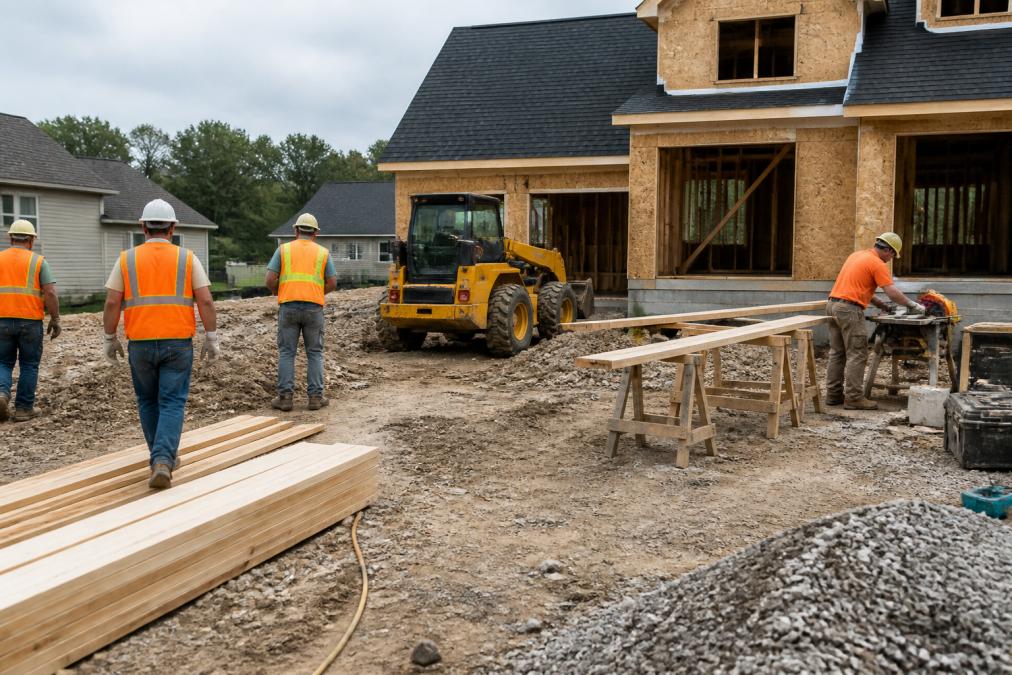
OSHA regulations establish specific requirements for construction work, including fall protection, equipment operation, hazard communication, and site safety (osha.gov). A licensed general construction contractor is trained in these requirements and ensures all work complies. They maintain safety records, conduct regular safety briefings with crews, and address hazards immediately.
Insurance is another critical component of risk management. A general construction contractor carries workers' compensation insurance, general liability insurance, and equipment insurance (michigan.gov). This means if a worker is injured on your property or property damage occurs, the contractor's insurance covers it, not your homeowner's or business insurance. This protection is essential and is one reason to verify a contractor's insurance before hiring.
Permits and inspections also serve a safety and compliance function. Building permits ensure that work is inspected by municipal authorities at key stages. Inspectors verify that work meets code standards and is safe. A general construction contractor manages the permit and inspection process as part of their standard procedure. They know which inspections are required, schedule them appropriately, and address any code violations the inspector identifies.
For commercial and industrial projects in Chesterfield, compliance becomes even more critical. Commercial projects must comply with additional regulations beyond basic building code. Industrial work often involves specialized safety requirements. A general construction contractor with experience in your project type knows these requirements and ensures full compliance.
Many property owners don't realize that skipping permits or using unlicensed contractors creates personal liability. If someone is injured on your property and work wasn't permitted or inspected, you could face legal action. A general construction contractor eliminates this risk by ensuring all work is properly permitted, inspected, and compliant.
Access to Specialized Equipment and Skilled Labor
Construction projects require specialized equipment and skilled labor that most property owners don't have access to independently. A general construction contractor provides both as part of their service.
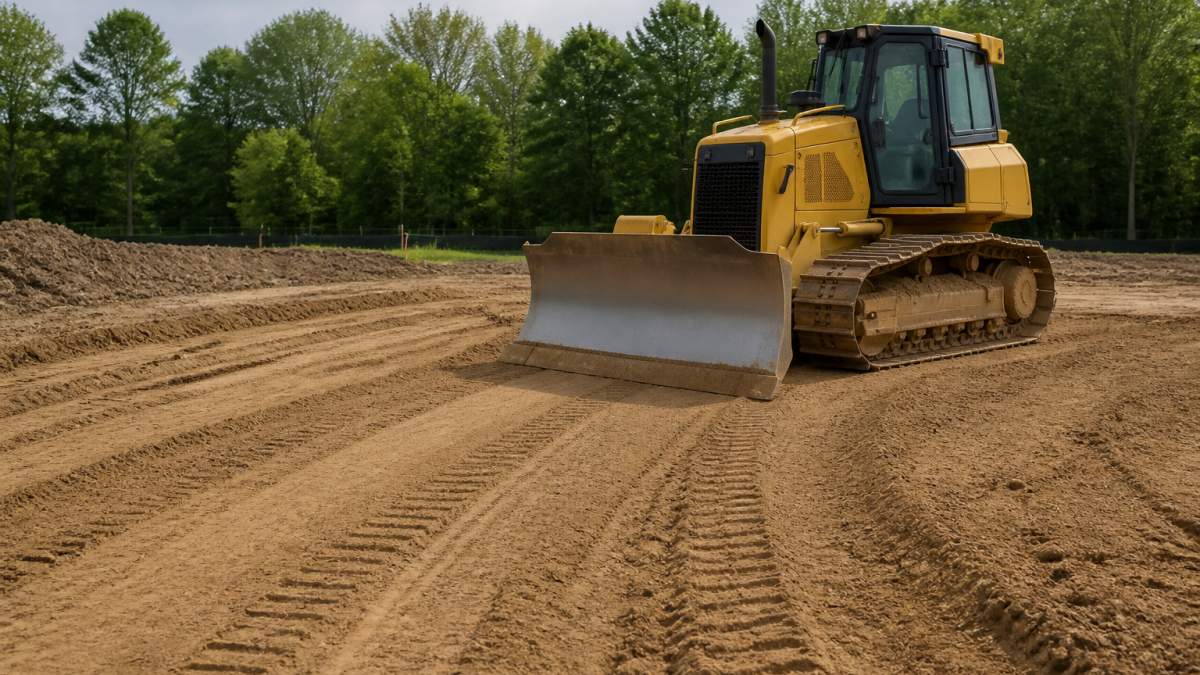
Equipment like excavators, concrete trucks, asphalt pavers, and grading equipment requires operator certification and regular maintenance. Owning this equipment is economically impractical for one-off projects. A general construction contractor has established relationships with equipment rental companies and knows how to operate equipment properly. They also have the expertise to determine what equipment is needed for your specific project and use it efficiently.
Skilled labor is equally important. Concrete finishing, excavation, utility installation, and asphalt paving all require trained workers who understand proper techniques. These skills take years to develop. A general construction contractor has access to trained crews who can execute specialized work to professional standards. You don't have to search for and vet individual tradespeople, the contractor manages crew selection and quality.
For complex projects in Chesterfield, this access to specialized expertise is invaluable. A residential pool installation requires excavation expertise, concrete finishing skills, utility knowledge, and drainage understanding. A general construction contractor coordinates all these specialties seamlessly. An individual property owner would struggle to find and coordinate all the necessary expertise independently.
Commercial and municipal projects rely even more heavily on specialized equipment and labor. A commercial parking lot requires grading equipment, asphalt paving expertise, and drainage knowledge. Municipal infrastructure projects often involve underground utility work that demands specific training and certification. A general construction contractor like Delpres Services LLC brings all these capabilities together in one coordinated team.
Hiring a general construction contractor is fundamentally about getting professional results that last. You get one accountable team that coordinates all aspects of your project, manages safety and compliance, and delivers work that meets professional standards. In Chesterfield and throughout Metro Detroit, whether you're a homeowner planning a custom outdoor space, a commercial developer preparing a new site, or a business owner needing professional demolition or paving, a general construction contractor provides the expertise and coordination that prevents costly mistakes and ensures your project succeeds.
The benefits accumulate over time. Professional site development creates spaces that function well for years. Proper compliance and safety management protects you and your workers. Single-point accountability means someone owns the outcome and stands behind the work. These benefits justify the investment in professional construction services. Delpres Services LLC brings 20+ years of hands-on expertise and a commitment to transparent project management and superior customer service to every project, regardless of size. Book a consultation to discuss how professional construction management can transform your project from concept to completion.
=== FAQ ANSWERS (audit these too, same rules) ===
[1] Q: What are the primary responsibilities of a general construction contractor? A: A general construction contractor oversees the entire project from planning through completion. They manage budgets, schedules, subcontractors, permits, safety compliance, and quality control. They serve as the single point of contact between you and all trades involved, ensuring all work meets building codes and your expectations. This comprehensive oversight prevents costly delays and coordination gaps that often occur when multiple contractors work independently.
[2] Q: Why is hiring a licensed construction contractor important in Michigan? A: Licensed contractors in Michigan have met state requirements for experience, knowledge, and financial responsibility. A licensed contractor carries proper insurance and understands local building codes and permit requirements specific to your area. This protects you from liability, ensures work quality, and guarantees recourse if problems arise. Unlicensed contractors expose you to financial and legal risk, including potential code violations and unfinished work.
[3] Q: How does a general contractor help control project costs? A: Professional contractors develop detailed estimates, manage material procurement efficiently, and prevent costly mistakes through proper planning. They identify potential issues before they become expensive problems, negotiate favorable rates with suppliers and subcontractors, and maintain strict budget controls throughout the project. Their experience prevents scope creep and unnecessary changes that inflate costs. Transparent project management keeps spending on track and reduces the financial surprises homeowners and businesses often face with unmanaged projects.
[4] Q: What's the difference between a general contractor and a subcontractor? A: A general contractor manages the entire project and coordinates all trades, while subcontractors specialize in specific work like electrical, plumbing, or concrete. The general contractor holds the primary contract with you, maintains overall responsibility for schedule and quality, and ensures all subcontractors meet standards and deadlines. Hiring a general contractor means you have one accountable party responsible for the complete project, rather than managing multiple specialists yourself.
Frequently Asked Questions
What are the primary responsibilities of a general construction contractor?
A general construction contractor oversees the entire project from planning through completion. They manage budgets, schedules, subcontractors, permits, safety compliance, and quality control. They serve as the single point of contact between you and all trades involved, ensuring all work meets building codes and your expectations. This comprehensive oversight prevents costly delays and coordination gaps that often occur when multiple contractors work independently.
Why is hiring a licensed construction contractor important in Michigan?
Licensed contractors in Michigan have met state requirements for experience, knowledge, and financial responsibility. A licensed contractor carries proper insurance and understands local building codes and permit requirements specific to your area. This protects you from liability, ensures work quality, and guarantees recourse if problems arise. Unlicensed contractors expose you to financial and legal risk, including potential code violations and unfinished work.
How does a general contractor help control project costs?
Professional contractors develop detailed estimates, manage material procurement efficiently, and prevent costly mistakes through proper planning. They identify potential issues before they become expensive problems, negotiate favorable rates with suppliers and subcontractors, and maintain strict budget controls throughout the project. Their experience prevents scope creep and unnecessary changes that inflate costs. Transparent project management keeps spending on track and reduces the financial surprises homeowners and businesses often face with unmanaged projects.
What's the difference between a general contractor and a subcontractor?
A general contractor manages the entire project and coordinates all trades, while subcontractors specialize in specific work like electrical, plumbing, or concrete. The general contractor holds the primary contract with you, maintains overall responsibility for schedule and quality, and ensures all subcontractors meet standards and deadlines. Hiring a general contractor means you have one accountable party responsible for the complete project, rather than managing multiple specialists yourself.
This article was written using GrandRanker