 comparison
Civil Contractors in Chesterfield: What They Do
Table of Contents
- What Civil Contractors Do Differently Than General Contractors
- Key Services to Expect From Civil Contractors
- Civil Contractors vs. General Contractors: Which One Do You Need?
- Site Development Services Chesterfield Property Owners Rely On
- How to Choose a Civil Contractor for Your Project
- Understanding Underground Utility Installation Costs
- Civil Engineering Project Management Best Practices for Homeowners
- Conclusion: Start Your Project With the Right Team
- Frequently Asked Questions
Last Updated: September 5, 2026
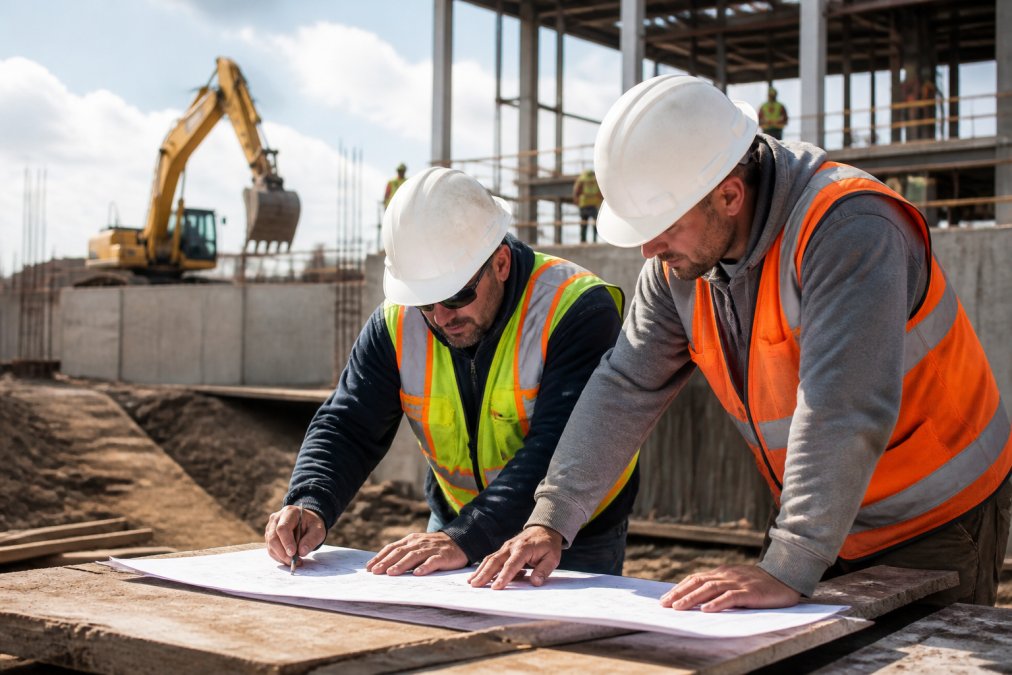
Civil contractors are the professionals who handle the heavy lifting behind any major construction project: earthwork, underground utilities, drainage, concrete, and paving. For property owners in Chesterfield, Michigan, understanding the difference between a civil contractor and a general contractor is the first step toward a successful build. This guide from Delpres Services LLC breaks down what these specialists do, how to choose the right one, and why the selection matters more than the price tag.
The distinction matters because it determines who is accountable for the structural integrity of your site. A general contractor coordinates the overall build, but a civil contractor performs the critical site work that supports everything built above it (bls.gov). If the underground utilities fail or the grading is wrong, the problems surface years later, often with expensive consequences.
Below, we'll walk through the core services, the key differences, and a practical framework for vetting contractors. We'll also cover what drives underground utility installation costs and how to manage a civil engineering project as a homeowner.
What Civil Contractors Do Differently Than General Contractors
A civil contractor is a specialized construction professional focused on site development, earthwork, underground infrastructure, and heavy civil construction. They work with soil, water, concrete, and utilities rather than the finished interior spaces a general contractor manages.
General contractors typically coordinate trades like framing, electrical, and drywall. Civil contractors, by contrast, handle the site before the building goes up: excavation, grading, storm and sanitary sewer installation, water main construction, and concrete flatwork. They bring specialized equipment and an understanding of soil mechanics and drainage that general contractors rarely possess in-house.
The practical difference shows up in project sequencing. A general contractor might hire a civil subcontractor for the site work, adding layers of communication and potential delays. A full-service civil contractor like Delpres Services LLC performs that work directly, which means one accountable team from start to finish, from the first cut of the excavator to the final pour of concrete.
Key Services to Expect From Civil Contractors
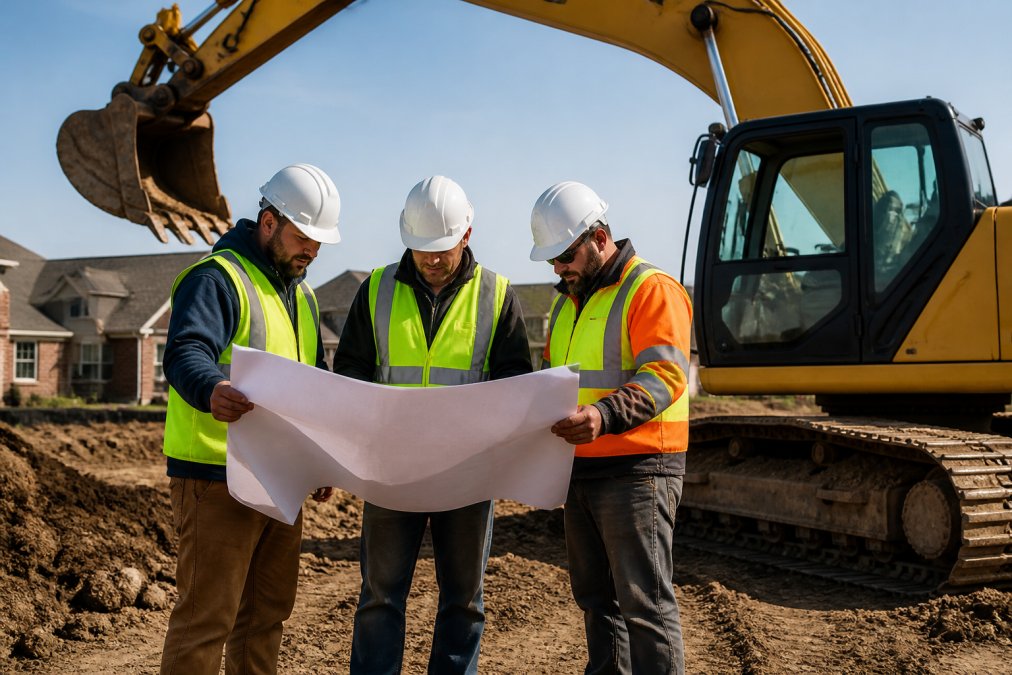
Civil contractors deliver a specific set of services that prepare your property for construction or restore it after the work is done. Expect these core capabilities from a qualified firm:
- Site preparation: Clearing, grubbing, and stripping topsoil to create a stable building pad.
- Excavation and grading: Shaping the land to direct water away from structures and meet engineering specifications.
- Underground utilities: Installing storm sewers, sanitary sewers, and water mains with proper depth and slope.
- Concrete work: Foundations, footings, flatwork, driveways, and decorative concrete.
- Asphalt paving: Parking lots, driveways, and access roads.
- Drainage solutions: Retaining walls, catch basins, and surface water management.
A common mistake homeowners make is assuming a general contractor handles all of this. Many general contractors subcontract the civil work, which can fragment responsibility. When the site work is done by a dedicated civil contractor, the quality standards and safety protocols are typically higher because that is their sole focus.
Civil Contractors vs. General Contractors: Which One Do You Need?
The choice depends entirely on the scope of your project. If you are building a new home, an inground pool, or a commercial structure, you need a civil contractor for the site work. If you are renovating a kitchen or adding a room above an existing foundation, a general contractor alone may suffice.
Here is a practical breakdown:
| Project Type | Primary Contractor | Why |
|---|---|---|
| New home construction | Civil contractor first | Site prep, utilities, and foundation determine structural integrity |
| Inground pool installation | Civil contractor | Excavation, drainage, and concrete work are core civil functions |
| Commercial site development | Civil contractor | Grading, storm sewers, and paving require specialized equipment |
| Kitchen or bath remodel | General contractor | No significant earthwork or utility installation involved |
| Driveway replacement | Civil contractor | Concrete or asphalt paving is a civil trade |
| Parking lot construction | Civil contractor | Requires grading, drainage, and heavy paving |
For many Chesterfield property owners, the answer is both. A general contractor manages the build, and a civil contractor handles the site. The key is ensuring the civil contractor is hired early, during the design phase, so grading and utility plans align with the building footprint. Hiring them late often leads to redesigns and budget overruns.
Site Development Services Chesterfield Property Owners Rely On
Site development in Chesterfield carries specific local considerations. The region's clay-heavy soils and seasonal freeze-thaw cycles demand proper grading and drainage design to prevent foundation movement and water intrusion. A site development contractor with local experience understands these conditions and knows how to plan for them.
The most requested site development services in this area include residential lot clearing and grading, commercial pad preparation, storm water management, septic system installation for properties without municipal sewer access, and complete driveway and parking area construction. These projects require permits from the local building department, and a reputable civil contractor handles that compliance work as part of the project.
Delpres Services LLC has spent over 20 years performing this work across Metro Detroit. The practical advantage of hiring a local firm is straightforward: they know the soil conditions, the permitting process, and the inspectors. That local knowledge translates into fewer surprises during construction and a smoother path to a certificate of occupancy.
How to Choose a Civil Contractor for Your Project
Choosing a civil contractor requires more than comparing bids. The lowest price often signals the highest risk, especially when the work is buried underground and out of sight.
Start by verifying the contractor's experience with projects similar to yours. Ask for references from homeowners or developers in Chesterfield who have completed comparable work. A contractor who has done residential pool installations may not be the right fit for a commercial parking lot, and vice versa.
Check their equipment and crew capacity. A full-service contractor maintains its own fleet of excavators, loaders, and paving equipment. Contractors who rent equipment or hire day labor for every job may struggle with scheduling and quality consistency.
Finally, confirm they handle permits and inspections. In Oakland County, site work requires multiple inspections, and the contractor should manage that process (oakgov.com). Ask how they handle change orders and cost overruns, and get the response in writing. A contractor who communicates clearly about costs before the work starts is far less likely to surprise you with bills after it ends.
Understanding Underground Utility Installation Costs
Underground utility installation costs vary widely based on soil conditions, depth of burial, distance to the connection point, and the type of utility being installed. Because these variables change from site to site, published price ranges are rarely accurate for any specific property.
The main cost drivers are excavation volume, pipe material, and restoration work. Deeper trenches require more excavation and more shoring for safety (osha.gov). Rocky or clay-heavy soil slows production and increases equipment wear. The distance from your property to the municipal connection determines how much trenching is required, and restoring the surface afterward, whether lawn or pavement, adds to the total.
A qualified contractor provides a detailed line-item quote after reviewing the site and the engineering plans. Be wary of any contractor who gives a flat price over the phone without a site visit. The most reliable way to control costs is to choose a contractor who does the full scope of work, from excavation to restoration, so there is no finger-pointing between separate crews when something goes wrong.
Civil Engineering Project Management Best Practices for Homeowners
Managing a civil project as a homeowner comes down to three disciplines: documentation, communication, and verification.
Document everything before work begins. Photograph the existing site conditions, keep copies of permits, and store the engineering plans. This protects you if a dispute arises and gives you a baseline for inspecting the completed work.
Communicate through a single point of contact. If you hire a full-service civil contractor, that contractor is your one line of communication. Avoid managing separate crews yourself, because coordination failures between a pool designer, an excavation crew, and a concrete contractor become your problem, not theirs.
Verify the work at each milestone. Walk the site after grading is complete and before concrete is poured. Check that drainage slopes away from the foundation. Confirm the utility trenches are at the specified depth before they are backfilled. A reputable contractor welcomes this scrutiny, and it catches small issues before they become expensive repairs.
Conclusion: Start Your Project With the Right Team
The success of any construction project in Chesterfield depends on the quality of the civil work beneath the surface. Poor grading leads to flooded basements. Improperly installed utilities fail and require costly excavation to repair. Choosing the right civil contractor protects your investment from the ground up.
Delpres Services LLC brings over two decades of hands-on expertise to residential, commercial, and municipal projects across Metro Detroit. From excavation and underground utilities to concrete flatwork and asphalt paving, our multidisciplinary team manages the full scope of your project, including permits and compliance. That means one accountable partner from the first blueprint review to the final inspection.
Book a consultation with Delpres Services LLC and start your project with a team that builds quality and delivers excellence.
Frequently Asked Questions
What is the difference between a general contractor and a civil contractor?
A general contractor coordinates the overall construction project, managing subcontractors and schedules for the entire build. A civil contractor focuses specifically on site development: excavation, grading, underground utilities, concrete, and paving. If your project involves land preparation, drainage, or infrastructure, you need a civil contractor. For a full home build, you will often need both, with the civil contractor handling the site work before the general contractor starts the structure.
What services do civil contractors typically provide for site development?
Civil contractors handle the work that prepares land for construction. This includes excavation, grading, site preparation, and demolition. They install underground utilities such as storm and sanitary sewers, water mains, and septic systems. They also perform concrete work like foundations, flatwork, and retaining walls, plus asphalt paving for driveways and parking lots. Full-service firms may also offer drainage solutions and waterproofing to ensure the site functions properly for years.
How do I verify the licensing and insurance of civil contractors in Chesterfield?
Ask for their Michigan contractor license number and confirm it is active through the state's licensing database. Request a certificate of insurance showing both general liability and workers' compensation coverage, and verify the policy is current with the insurance provider. Check that the coverage limits are adequate for your project size. A reputable contractor will provide these documents without hesitation and should also be familiar with local permit requirements.
What should be included in a civil construction project budget?
A realistic budget covers more than materials and labor. Include costs for permits, engineering and soil testing, equipment mobilization, and utility connection fees. Underground utility installation costs often exceed initial estimates when unexpected rock or existing buried structures are found, so a contingency is wise. Ask your contractor for a detailed line-item quote and a clear explanation of what is included. This prevents surprise change orders later in the project.
How do civil contractors manage underground utility and excavation safety?
Before any digging, a professional contractor calls MISS DIG at 811 to have all underground lines located and marked. They then follow OSHA excavation safety standards, which include proper sloping, shoring, or shielding for trenches deeper than five feet. Daily inspections of the excavation site are standard practice. Ask your contractor about their safety protocol and site-specific plan. This protects your property and the workers on your project.
This article was written using GrandRanker
Frequently Asked Questions
Q: What is the difference between a general contractor and a civil contractor?
A: A general contractor coordinates the overall construction project, managing subcontractors and schedules for the entire build. A civil contractor focuses specifically on site development: excavation, grading, underground utilities, concrete, and paving. If your project involves land preparation, drainage, or infrastructure, you need a civil contractor. For a full home build, you will often need both, with the civil contractor handling the site work before the general contractor starts the structure.
Q: What services do civil contractors typically provide for site development?
A: Civil contractors handle the work that prepares land for construction. This includes excavation, grading, site preparation, and demolition. They install underground utilities such as storm and sanitary sewers, water mains, and septic systems. They also perform concrete work like foundations, flatwork, and retaining walls, plus asphalt paving for driveways and parking lots. Full-service firms may also offer drainage solutions and waterproofing to ensure the site functions properly for years.
Q: How do I verify the licensing and insurance of civil contractors in Chesterfield?
A: Ask for their Michigan contractor license number and confirm it is active through the state's licensing database. Request a certificate of insurance showing both general liability and workers' compensation coverage, and verify the policy is current with the insurance provider. Check that the coverage limits are adequate for your project size. A reputable contractor will provide these documents without hesitation and should also be familiar with local permit requirements.
Q: What should be included in a civil construction project budget?
A: A realistic budget covers more than materials and labor. Include costs for permits, engineering and soil testing, equipment mobilization, and utility connection fees. Underground utility installation costs often exceed initial estimates when unexpected rock or existing buried structures are found, so a contingency is wise. Ask your contractor for a detailed line-item quote and a clear explanation of what is included. This prevents surprise change orders later in the project.
Q: How do civil contractors manage underground utility and excavation safety?
A: Before any digging, a professional contractor calls MISS DIG at 811 to have all underground lines located and marked. They then follow OSHA excavation safety standards, which include proper sloping, shoring, or shielding for trenches deeper than five feet. Daily inspections of the excavation site are standard practice. Ask your contractor about their safety protocol and site-specific plan. This protects your property and the workers on your project.